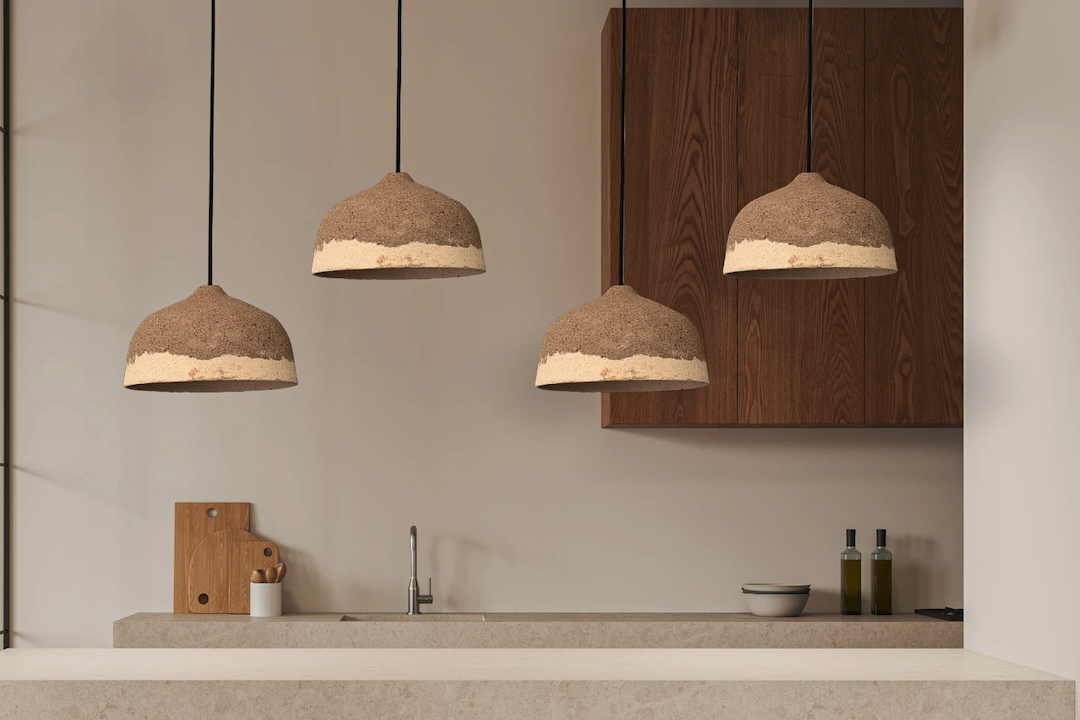
Wabi-sabi is a Japanese aesthetic philosophy that celebrates the beauty found in imperfection, transience, and the natural world. Rooted in Zen Buddhism, this concept encourages individuals to appreciate the fleeting nature of life and the unique characteristics that come with age and wear. The essence of wabi-sabi lies in its ability to evoke a sense of peace and contentment through simplicity and authenticity.
It invites us to find beauty in the mundane, to cherish the patina of time, and to embrace the irregularities that make each object or experience unique. In a world often dominated by mass production and perfectionism, wabi-sabi offers a refreshing perspective. It encourages us to slow down and observe the subtleties of our surroundings, fostering a deeper connection with the materials and objects we encounter.
This aesthetic can be seen in various forms, from rustic pottery to weathered wood, each telling a story of its journey through time. By embracing wabi-sabi, we cultivate an appreciation for the natural cycles of life, recognizing that beauty often lies in the ephemeral and the imperfect.
Embracing Imperfection in Design
The principle of embracing imperfection in design is at the heart of wabi-sabi. This approach challenges conventional notions of beauty that prioritize symmetry, uniformity, and flawless finishes. Instead, it celebrates asymmetry, irregular shapes, and the unique marks left by time and use.
Designers who adopt this philosophy often seek out materials that exhibit natural variations, such as reclaimed wood or handmade ceramics, which carry their own stories and character. Incorporating imperfection into design can manifest in various ways. For instance, a handcrafted table may feature uneven edges or a slight warp, yet these characteristics enhance its charm and authenticity.
Similarly, textiles with irregular patterns or colors can add depth and warmth to a space, creating an inviting atmosphere that feels lived-in rather than sterile. By embracing imperfection, designers can create environments that resonate with authenticity and invite personal connection, allowing individuals to feel more at home in their surroundings.
The Allure of Rough Ceramic Texture
Rough ceramic textures are a quintessential element of the wabi-sabi aesthetic, embodying the philosophy’s celebration of natural materials and their inherent imperfections. Unlike polished ceramics that exude a sense of uniformity and perfection, rough ceramics showcase the raw beauty of clay in its most organic form. The tactile quality of these pieces invites touch and interaction, encouraging a sensory experience that transcends mere visual appreciation.
The allure of rough ceramic texture lies not only in its aesthetic appeal but also in its ability to evoke a sense of history and authenticity. Each piece tells a story through its surface—cracks, glazes, and uneven finishes all contribute to its unique character. For example, a hand-thrown bowl may display subtle variations in thickness or an unintentional drip of glaze that adds to its charm.
These imperfections serve as reminders of the human touch involved in its creation, fostering a deeper connection between the object and its owner.
Creating a Cozy Atmosphere with Wabi-Sabi Chandeliers
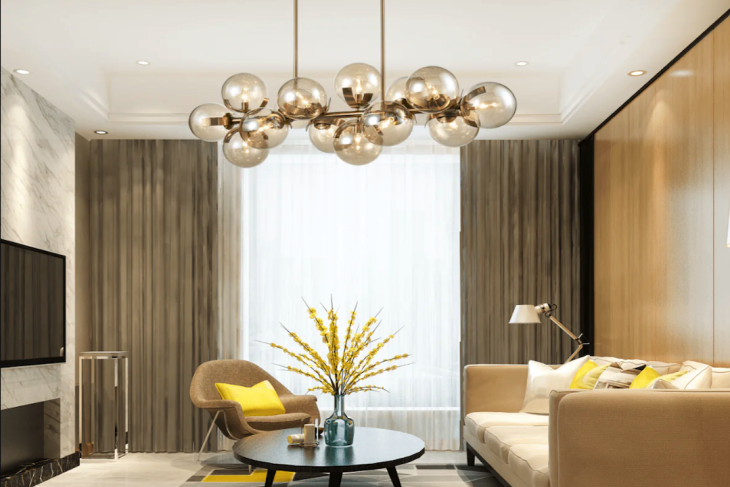
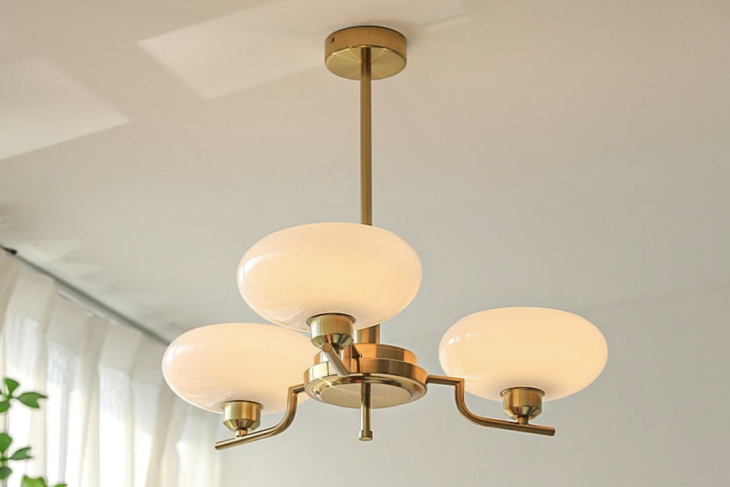
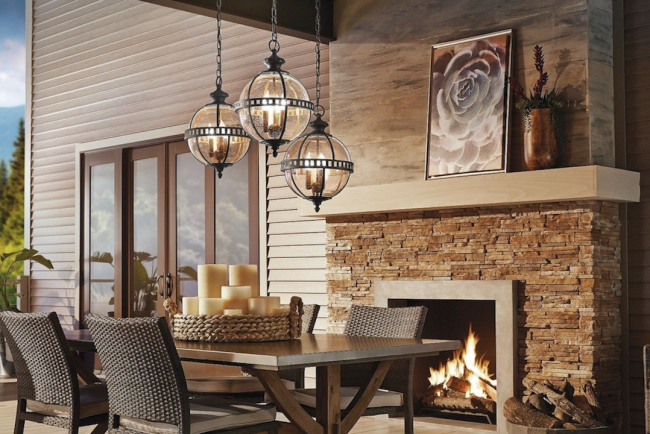
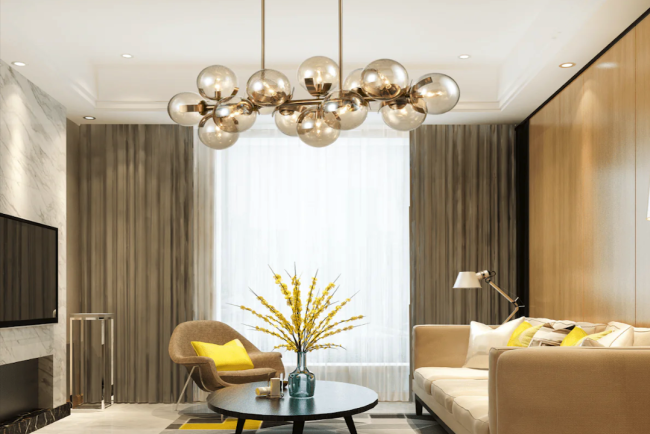
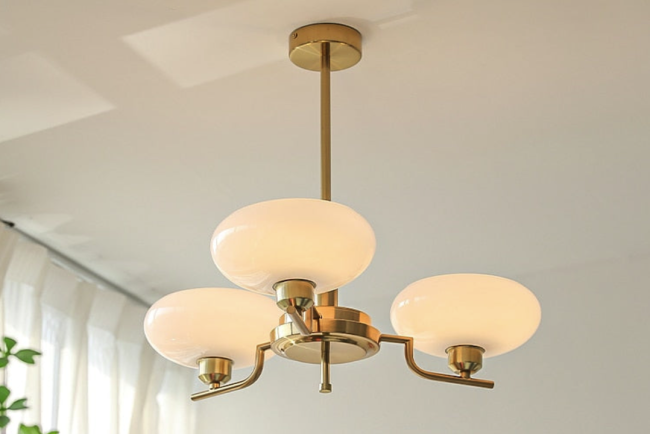
Wabi-sabi chandeliers Dililamp offer an exquisite way to infuse warmth and character into any space while adhering to the principles of this aesthetic philosophy. Unlike traditional chandeliers that often prioritize opulence and grandeur, wabi-sabi designs focus on simplicity and organic forms. These fixtures may feature materials such as reclaimed wood, wrought iron, or hand-blown glass, each contributing to an overall sense of rustic elegance.
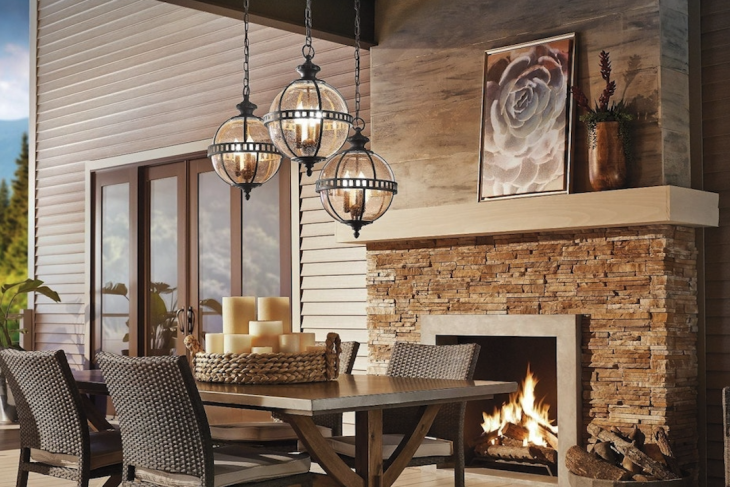
The soft glow emitted by wabi-sabi chandeliers creates an inviting ambiance that encourages relaxation and contemplation. Imagine a dining room illuminated by a chandelier crafted from weathered branches intertwined with delicate glass orbs; the interplay of light and shadow enhances the room’s warmth while highlighting the beauty of natural materials. Such lighting fixtures not only serve a functional purpose but also act as focal points that draw attention to the unique textures and forms inherent in their design.
Incorporating Wabi-Sabi Elements into Modern Interiors
Integrating wabi-sabi elements into modern interiors can create a harmonious balance between contemporary design and traditional aesthetics. This fusion allows for spaces that feel both timeless and relevant, inviting occupants to appreciate the beauty of imperfection within a modern context. One effective way to achieve this is by selecting furniture pieces that embody wabi-sabi principles—think handcrafted tables with visible joinery or chairs made from reclaimed materials.
In addition to furniture choices, incorporating natural elements such as plants or organic textiles can enhance the wabi-sabi vibe within modern interiors. A simple linen throw draped over a sofa or a collection of potted succulents on a windowsill can introduce softness and warmth into an otherwise sleek environment. By juxtaposing clean lines with organic textures, homeowners can create spaces that feel inviting and lived-in while still maintaining a contemporary edge.
The Art of Embracing Transience and Simplicity
Embracing transience and simplicity is central to the wabi-sabi philosophy, encouraging individuals to find joy in the present moment while acknowledging the impermanence of life. This perspective invites us to let go of our attachment to material possessions and societal expectations, allowing us to appreciate what truly matters—experiences, relationships, and moments of beauty that arise unexpectedly. In practical terms, this might manifest as decluttering one’s living space to create an environment that feels open and serene.
By surrounding ourselves with only those items that resonate with us personally—whether it be a cherished piece of art or a handmade ceramic mug—we cultivate an atmosphere that reflects our values and priorities. This intentional approach fosters mindfulness, encouraging us to savor each moment rather than rushing through life in pursuit of perfection.
Finding Beauty in the Unconventional
Finding beauty in the unconventional is a hallmark of the wabi-sabi aesthetic, challenging us to look beyond traditional standards of beauty and appreciate what is often overlooked. This perspective encourages us to seek out objects and experiences that may not fit neatly into societal norms but possess their own unique charm. For instance, a weathered stone found on a beach may hold more significance than a polished gemstone; its irregular shape and natural markings tell a story that resonates on a deeper level.
In design, this principle can be applied by incorporating unexpected elements into our spaces—such as using salvaged materials for furniture or displaying art created from found objects. These choices not only add character but also invite conversation and reflection on the stories behind each piece. By embracing the unconventional, we open ourselves up to new possibilities for creativity and self-expression, allowing our spaces to reflect our individuality.
Wabi-Sabi Chandelier: A Timeless and Unique Addition to Your Home
A wabi-sabi chandelier serves as a timeless and unique addition to any home, embodying the principles of imperfection and natural beauty while enhancing the overall aesthetic of a space. These chandeliers often feature organic shapes and materials that resonate with the surrounding environment, creating an atmosphere that feels both grounded and ethereal. Whether crafted from driftwood or adorned with hand-blown glass elements, each piece tells its own story through its design.
The versatility of wabi-sabi chandeliers allows them to complement various interior styles—from rustic farmhouse to modern minimalist—while adding an element of warmth and character that mass-produced lighting fixtures often lack. Their ability to evoke emotion through simplicity makes them not just functional objects but also works of art that inspire contemplation and connection. As such, incorporating a wabi-sabi chandelier into your home can transform your space into a sanctuary where beauty is found in every detail, inviting you to embrace life’s imperfections with open arms.