Nordic style, often referred to as Scandinavian design, has its roots deeply embedded in the cultural and historical contexts of the Nordic countries, which include Denmark, Finland, Iceland, Norway, and Sweden. Emerging in the early 20th century, this design philosophy was heavily influenced by the region’s harsh climate and the need for functional yet aesthetically pleasing living spaces. The movement gained significant traction during the post-World War II era when there was a surge in interest in modernism and minimalism.
Designers sought to create pieces that were not only beautiful but also practical, reflecting the values of simplicity and functionality that are hallmarks of Nordic culture. The ethos of Nordic style is characterized by a deep connection to nature, which is evident in the use of natural materials and a color palette inspired by the surrounding landscapes. The early proponents of this style, such as Alvar Aalto and Hans Wegner, emphasized craftsmanship and the importance of creating designs that could withstand the test of time.
This focus on durability and sustainability has continued to resonate in contemporary interpretations of Nordic design, making it a timeless choice for modern interiors. The integration of light into these designs is particularly noteworthy, as it reflects the long winters and short days typical of the region, leading to an emphasis on bright, airy spaces that promote well-being.
The Characteristics of Travertine
Travertine is a unique natural stone that has been used in architecture and design for centuries. Formed from mineral deposits in hot springs or limestone caves, travertine is characterized by its porous surface and distinctive texture. The stone comes in a variety of colors, ranging from soft beige to rich browns and even deep reds, making it a versatile choice for various design applications.
One of the most appealing aspects of travertine is its ability to blend seamlessly with both modern and traditional aesthetics, allowing it to be used in a wide range of interior styles. The porous nature of travertine gives it a unique visual appeal, as it often features small holes and pits that add character and depth to its surface. This texture not only enhances its beauty but also contributes to its functionality; travertine is known for its excellent thermal properties, making it a popular choice for flooring in warmer climates.
Additionally, its durability ensures that it can withstand heavy foot traffic without losing its charm. When used in lighting fixtures, such as ceiling lights Seanoon, travertine can diffuse light beautifully, creating a warm and inviting atmosphere in any space.
The Evolution of Ceiling Lights
Ceiling lights have undergone significant transformations throughout history, evolving from simple functional fixtures to intricate designs that serve as focal points in interior spaces. In ancient times, lighting was primarily provided by candles or oil lamps suspended from ceilings or placed on tables. As technology advanced, so did the design and functionality of ceiling lights.
The introduction of electric lighting in the late 19th century marked a turning point, allowing for more elaborate designs and greater versatility in illumination. The early 20th century saw the rise of Art Deco and Bauhaus movements, which emphasized geometric shapes and clean lines in lighting design. These styles paved the way for mid-century modern designs that embraced organic forms and innovative materials.
Today, ceiling lights come in an array of styles, from minimalist fixtures that blend seamlessly into their surroundings to bold statement pieces that draw attention. The evolution of ceiling lights reflects broader trends in interior design, with an increasing emphasis on sustainability and the use of natural materials like wood, metal, and stone.
Nordic Style Travertine Ceiling Light: A Timeless Design
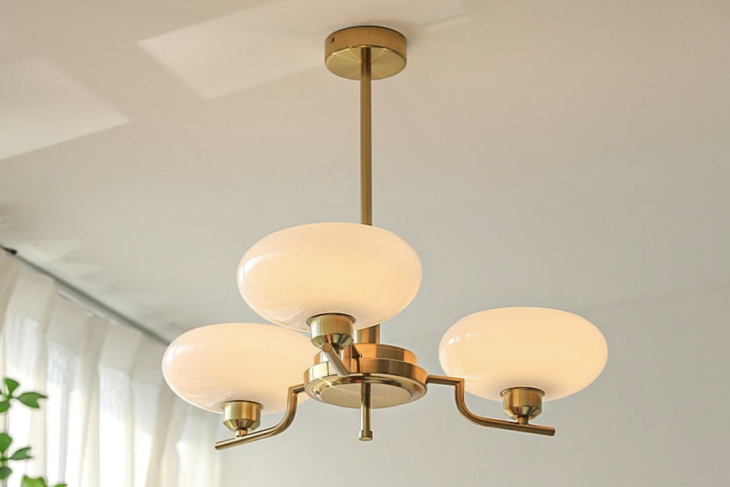
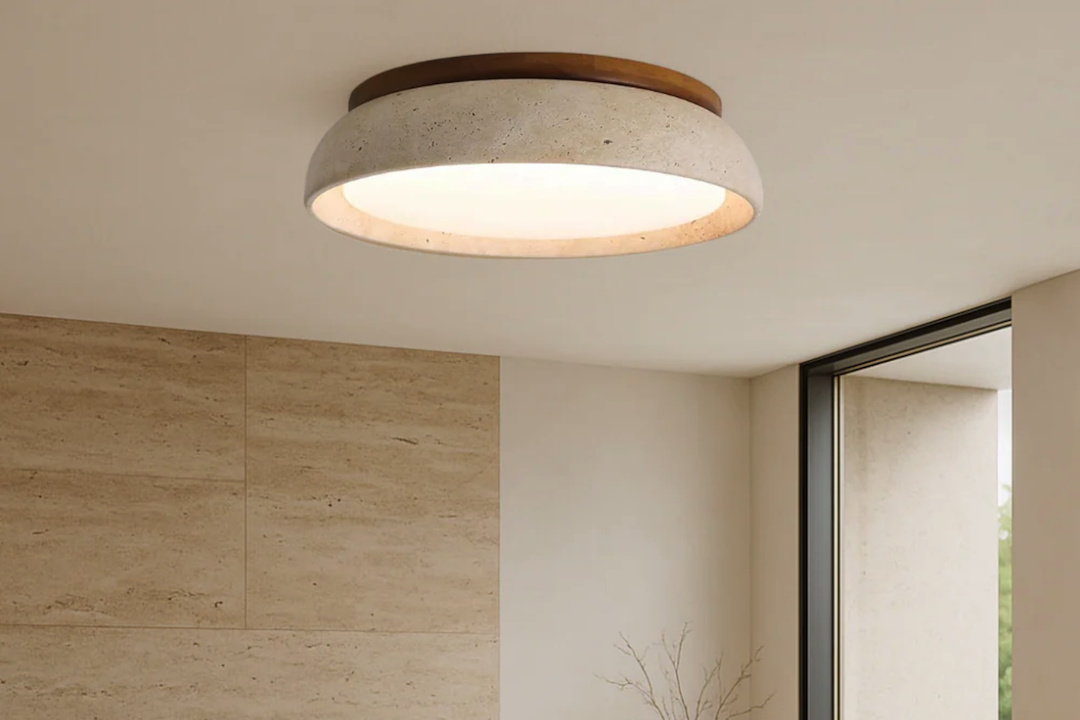
The Nordic style travertine ceiling light embodies the principles of simplicity, functionality, and natural beauty that define Scandinavian design. These fixtures often feature clean lines and minimalist forms that allow the inherent beauty of travertine to shine through. By utilizing this natural stone in lighting design, manufacturers create pieces that not only illuminate spaces but also serve as works of art.
The combination of travertine’s unique texture and color variations with sleek metal or wood accents results in a harmonious balance between rustic charm and modern elegance. One notable example of this design philosophy can be seen in contemporary Nordic-style ceiling lights that incorporate travertine shades or bases. These fixtures often utilize LED technology to provide energy-efficient lighting while enhancing the warm glow emitted by the stone.
The interplay between light and shadow created by travertine’s porous surface adds depth to any room, making these ceiling lights not just functional but also visually captivating. As more homeowners seek to create serene and inviting environments, the Nordic style travertine ceiling light stands out as a timeless choice that transcends fleeting trends.
The Elegance of Travertine in Interior Design
Travertine has long been celebrated for its elegance and versatility in interior design. Its natural beauty allows it to complement a wide range of styles, from rustic farmhouse aesthetics to sleek modern interiors. When incorporated into flooring, countertops, or decorative elements, travertine adds a touch of sophistication while maintaining a warm and inviting atmosphere.
Its unique texture creates visual interest without overwhelming other design elements, making it an ideal choice for those looking to achieve a balanced aesthetic. In addition to its aesthetic appeal, travertine is also prized for its durability and ease of maintenance. Unlike some other natural stones that may require extensive care, travertine can be cleaned with simple soap and water solutions.
This practicality makes it an attractive option for high-traffic areas or spaces where durability is essential. Furthermore, its ability to retain heat makes it a popular choice for flooring in homes with radiant heating systems. As designers continue to explore innovative ways to incorporate natural materials into their work, travertine remains a staple due to its timeless elegance and functional benefits.
Incorporating Nordic Style Travertine Ceiling Lights in Your Home
Integrating Nordic style travertine ceiling lights into your home can elevate your interior design while providing functional illumination. These fixtures can be strategically placed in various areas to enhance both aesthetics and ambiance. In living rooms or dining areas, a statement travertine ceiling light can serve as a focal point above a dining table or seating arrangement, drawing attention while providing ample light for gatherings.
The warm glow emitted by travertine creates an inviting atmosphere that encourages relaxation and social interaction. In bedrooms or home offices, smaller travertine ceiling lights can be used to create a serene environment conducive to rest or productivity. The soft diffusion of light through the stone can help reduce harsh shadows while adding a touch of elegance to the space.
Additionally, incorporating these fixtures alongside other natural materials—such as wooden furniture or textile accents—can enhance the overall Nordic aesthetic. By thoughtfully selecting where to place these ceiling lights, homeowners can create cohesive spaces that reflect their personal style while embracing the principles of Scandinavian design.
Maintenance and Care of Travertine Ceiling Lights
Maintaining travertine ceiling lights requires some attention to ensure their longevity and continued beauty. Due to its porous nature, travertine can be susceptible to staining if not properly cared for. Regular dusting with a soft cloth can help prevent dirt buildup on the surface.
For deeper cleaning, using a mild soap solution with warm water is recommended; harsh chemicals should be avoided as they can damage the stone’s finish. After cleaning, it’s essential to dry the surface thoroughly to prevent moisture from seeping into the pores. In addition to regular cleaning, periodic sealing can help protect travertine from stains and enhance its natural luster.
A high-quality stone sealer should be applied every few years or as needed based on usage and exposure to moisture. This protective layer not only helps maintain the stone’s appearance but also makes cleaning easier over time. By following these maintenance guidelines, homeowners can ensure that their Nordic style travertine ceiling lights remain beautiful focal points in their interiors for years to come.
The Future of Nordic Style Travertine Ceiling Lights
As sustainability continues to be a driving force in design trends, the future of Nordic style travertine ceiling lights looks promising. With an increasing emphasis on eco-friendly materials and practices, designers are likely to explore innovative ways to incorporate travertine into lighting solutions while minimizing environmental impact. This could involve sourcing travertine from sustainable quarries or utilizing reclaimed materials in new designs.
Moreover, advancements in lighting technology may lead to even more efficient ways to illuminate spaces using travertine fixtures. The integration of smart lighting systems could allow homeowners to control brightness levels or color temperatures through mobile applications or voice commands, enhancing both convenience and energy efficiency. As consumers become more conscious of their choices regarding sustainability and aesthetics, Nordic style travertine ceiling lights will likely continue to evolve while remaining true to their roots—combining natural beauty with functional design for timeless appeal in modern interiors.