The Mid-Century Modern (MCM) glass orb light represents a significant design motif from the mid-20th century. Its enduring appeal is rooted in its functional aesthetic and its adherence to principles of modernism. This article explores the origins, characteristics, and lasting influence of this design fixture.
The mid-20th century, roughly from the 1930s to the 1960s, was a period of profound social, economic, and technological change. This era saw a departure from ornate, traditional design styles in favor of simpler, more functional forms. The glass orb light, in its various iterations, emerged as a direct response to these evolving design philosophies.
Post-War Innovation and Materiality
Following World War II, advancements in manufacturing techniques and the availability of new materials, particularly glass, fueled design innovation. Designers sought to create objects that were both aesthetically pleasing and mass-producible, aligning with the burgeoning consumer culture. The glass orb, a simple geometric form, was ideal for this purpose.
Influences from Art and Architecture
The Bauhaus school, with its emphasis on form following function and the integration of art and industry, profoundly influenced MCM design. Architects like Walter Gropius and Ludwig Mies van der Rohe championed clean lines and a minimalist aesthetic. This architectural sensibility translated directly into furniture and lighting design, where unnecessary ornamentation was stripped away, leaving only essential forms. The glass orb, devoid of embellishment, became a three-dimensional manifestation of these principles.
Defining Characteristics
The MCM glass orb light is identifiable by a set of consistent design elements. These characteristics contribute to its distinctive appearance and its continued relevance in contemporary design.
Spherical Form and Geometric Purity
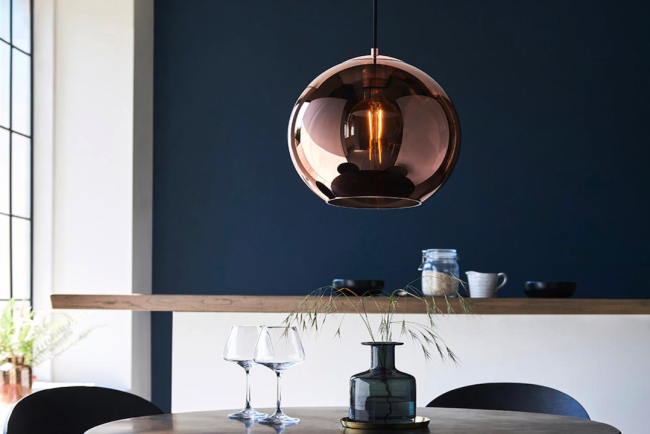
At its core, the MCM glass orb light is defined by its spherical shape. This geometric simplicity is a hallmark of modernism, rejecting the elaborate curves and decorative elements of earlier styles. The perfect sphere, a universal form, evokes a sense of balance and order.
Materials and Finishes
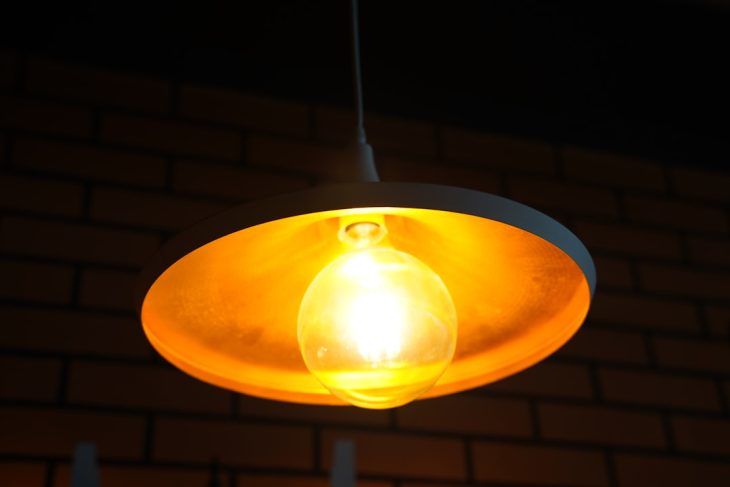
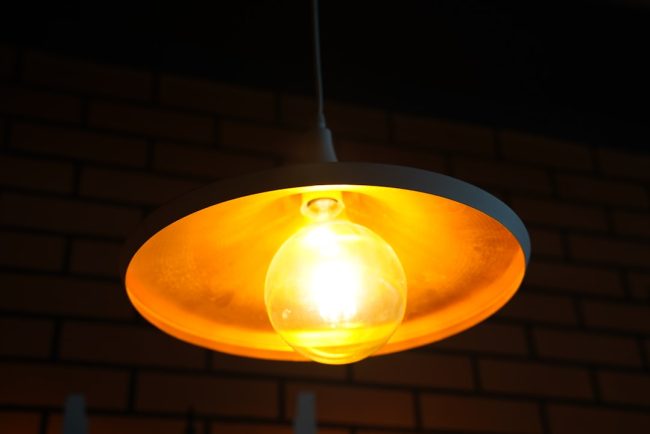
The primary material is typically glass, often opal or frosted, which diffuses light evenly and reduces glare. Clear glass variations also exist, emphasizing the incandescent bulb within as a design element. Metal components, such as brass, brushed nickel, or chrome, are
used for the suspension, base, or connecting arms. These metals are often left with a natural finish, highlighting their inherent qualities rather than relying on decorative applications.
Lighting Quality and Functionality
Beyond its aesthetic, the glass orb light is designed for functional illumination. The diffusing properties of opal or frosted glass create a soft, ambient glow, reducing harsh shadows and contributing to a comfortable atmosphere. In multi-orb configurations, the light distribution becomes even more comprehensive, casting a gentle radiance throughout a space.
Variations and Proliferation
While the fundamental spherical form remains consistent, the MCM glass orb light evolved into numerous variations, adapting to different spatial requirements and design sensibilities. These variations showcase the versatility of the core concept.
Single Pendant and Sconce Applications
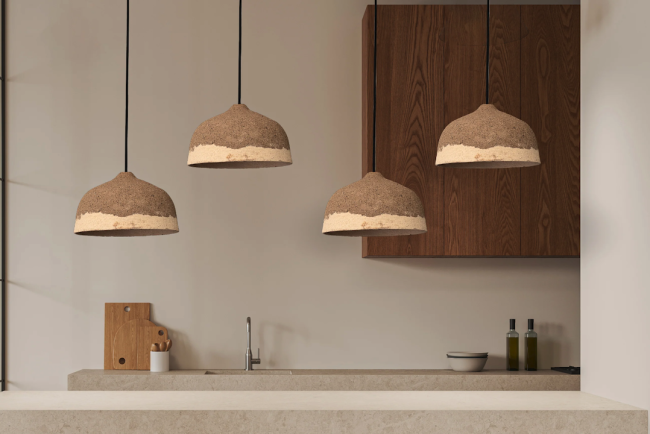
The simplest form is the single glass orb pendant, suspended from a ceiling, or a wall sconce, projecting from a vertical surface. These iterations are often used in series, creating a rhythmic pattern of illumination, or as accent lighting in smaller spaces.
Chandelier and Multi-Orb Configurations
More complex arrangements include chandeliers featuring multiple glass orbs suspended from a central canopy or radiating from a central stem. These multi-orb chandeliers became iconic statements in larger rooms, offering both broad illumination and a striking visual centerpiece. Examples include “Sputnik” style chandeliers, which feature multiple arms extending outwards, each terminating in a glass orb – a direct reference to the Space Age design trends of the era.
Floor and Table Lamps
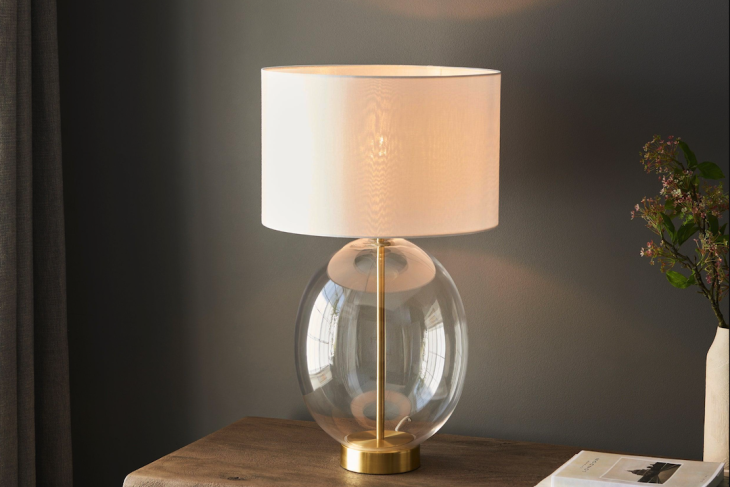
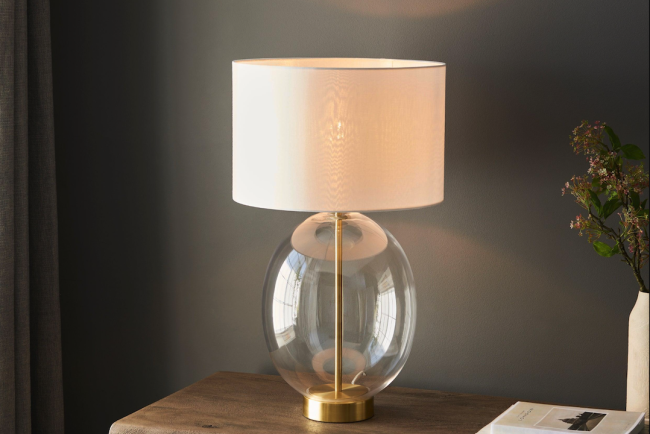
The glass orb also found its way into floor and table lamp designs. In these applications, the orb is often perched atop a minimalist metal base, further emphasizing its sculptural quality. The interplay of the spherical light source with the linear or geometric base created a compelling visual contrast.
Notable Designers and Manufacturers
Several designers and manufacturers played pivotal roles in popularizing and innovating the MCM glass orb light. Their contributions helped establish its place in design history.
Mid-Century Pioneers
Poul Henningsen, although more known for his layered lamps, explored light diffusion in a way that influenced designers working with glass. Gino Sarfatti, an Italian designer, created numerous multi-light fixtures that often incorporated spherical diffusers. His “Sputnik” chandelier designs, though not exclusively glass orb-based, solidified the aesthetic of radiating light sources.
American and European Influence
In the United States, companies like George Nelson Associates produced influential pendant and bubble lamps that, while not strictly glass orbs, shared a similar commitment to diffused, soft light. Designers such as Isamu Noguchi, though known for paper lanterns, contributed to the broader mid-century exploration of light as a form-giving element. European manufacturers, particularly in Italy and Scandinavia, became centers for producing high-quality glass lighting, further solidifying the orb’s place in the market.
Enduring Appeal and Contemporary Relevance
The enduring appeal of the MCM glass orb light lies in its timeless aesthetic and its ability to seamlessly integrate into diverse interior design styles, from historical reproductions to contemporary minimalist spaces.
Adaptability and Versatility
The clean lines and simple form of the glass orb allow it to complement a wide range of furnishings and architectural styles. It is not limited to mid-century modern interiors; rather, it acts as a subtle anchor, providing both illumination and an understated design statement. It can illuminate a contemporary living room, grace a traditional dining area, or add a touch of sophistication to an industrial loft. This adaptability is its strength, allowing it to transcend fleeting trends. Consider its role: it doesn’t shout for attention, but rather provides a confident, steady presence.
Influence on Current Design
Contemporary lighting design frequently draws inspiration from the MCM glass orb. Many modern fixtures incorporate similar spherical diffusers, often with updated materials or technological advancements such as LED integration. This homage demonstrates the lasting impact of the original design principles and their continued relevance in addressing current needs for both form and function. It is a benchmark against which new lighting designs are often measured, a kind of design Rosetta Stone for accessible sophistication.
A Masterclass in Understated Design
The MCM glass orb light, in its various manifestations, stands as a testament to the power of thoughtful, functional design. It reminds us that elegance does not necessarily originate from extravagance, but often from precision, balance, and a clear understanding of purpose. Its continued presence in homes, offices, and public spaces worldwide confirms its status as a seminal object in architectural lighting and a enduring symbol of the mid-century modern aesthetic. Its simple form acts as a quiet curator of light, delivering illumination without overwhelming the visual landscape.