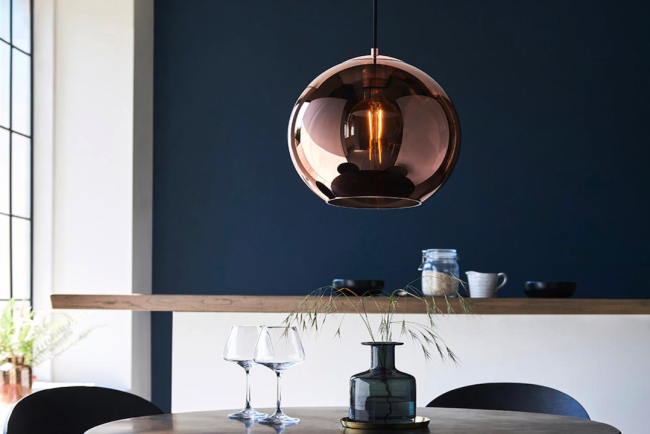
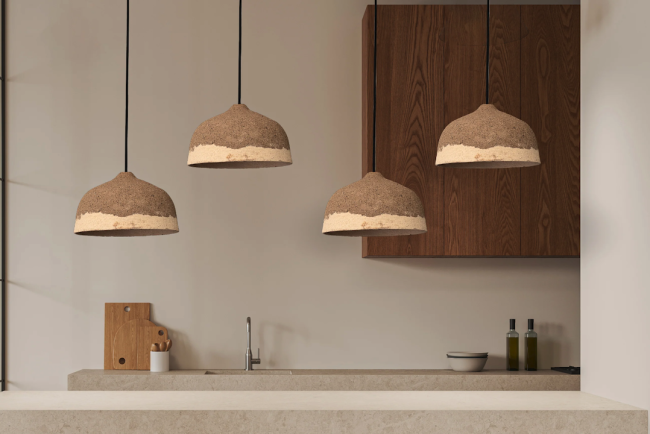
The mid-century modern white glass orb light represents a significant chapter in lighting design, embodying principles that continue to resonate in contemporary interiors. This article examines its origins, design characteristics, cultural impact, and practical considerations for its integration into modern spaces.
The development of the white glass orb light is intrinsically linked to the broader mid-century modern movement, a period roughly spanning from the mid-1930s to the mid-1960s. This era was characterized by a push towards functionalism, simplicity, and a rejection of elaborate ornamentation in favor of clean lines and organic forms.
Post-War Innovation and Materials
Following World War II, a renewed focus on industrial production and material innovation emerged. New manufacturing techniques allowed for the mass production of materials like opal glass, acrylics, and fiberglass, which were crucial to the creation of these lighting fixtures. The availability of these materials, coupled with a desire for accessible yet stylish design, fueled the creation of readily reproducible and impactful household items.
Bauhaus Influence
The principles of the German Bauhaus school, though predating the full flourishing of mid-century modernism, profoundly influenced its aesthetic. The Bauhaus emphasized the integration of art and industry, advocating for designs that were both beautiful and functional, suitable for mass production. This ethos directly informed the development of lighting fixtures that prioritized utility and understated form.
Design Principles and Characteristics
The white glass orb light adheres to several core design principles that define its aesthetic and enduring appeal. These principles contribute to its versatility and ability to seamlessly integrate into various design schemes.
Simplicity of Form
At its core, the white glass orb light is defined by its unadorned spherical shape. This simplicity is a deliberate choice, intended to reduce visual clutter and allow the object to exist harmoniously within its environment. The orb acts as a pure geometric form, a fundamental element in design.
Absence of Ornamentation
Unlike earlier Victorian or Art Deco styles, mid-century modern design largely eschewed elaborate decoration. The white glass orb light embodies this principle, relying solely on its form and material to convey its aesthetic. This absence of excess helps to create a sense of calm and order.
Diffusion of Light
The primary functional characteristic of the white glass orb is its ability to diffuse light. The opal white glass scatters the light source, creating a soft, even illumination that minimizes harsh shadows and glare. This quality is crucial for creating inviting and comfortable environments.
Softening of Ambiance
The diffused light cast by these fixtures contributes significantly to the overall ambiance of a room. Rather than a directive beam, the light spills gently, enveloping the space in a warm, consistent glow. This makes them ideal for living areas or bedrooms where a relaxed atmosphere is desired.
Versatility in Application
One of the key strengths of the white glass orb light is its remarkable versatility. It can be adapted to various lighting applications, from pendant lamps and floor lamps to wall sconces and table lamps, without compromising its core aesthetic.
Adaptability to Space
Whether suspended individually as a focal point, clustered for a dynamic display, or integrated into a larger lighting scheme, the orb light adapts to the demands of the space. Its neutral color and clean form allow it to complement a wide range of interior styles, from minimalist to eclectic.
Cultural Impact and Enduring Appeal
The white glass orb light transcended its utilitarian function to become a cultural icon, symbolizing a particular moment in design history while retaining its relevance in contemporary aesthetics.
Symbol of Modernity
In its heyday, the white glass orb light was a tangible representation of modernity and forward-thinking design. It suggested a break from traditional, elaborate fixtures and an embrace of clean, functional aesthetics. For many, it represented the promise of a new and streamlined future.
Democratic Design
The relative simplicity of its construction and material made these lights accessible to a broader demographic. This adherence to principles of democratic design, where good design is available to all, further solidified its cultural impact.
Influence on Subsequent Design
The enduring popularity of the white glass orb light has ensured its continuous influence on subsequent lighting design. Contemporary designers frequently draw inspiration from its minimalist form and effective light diffusion, reinterpreting it for new generations.
Homage and Reinterpretation
You will observe numerous contemporary lighting fixtures that, while not direct copies, clearly pay homage to the white glass orb. These may feature variations in material, scale, or suspension, but the underlying principles of diffused spherical light remain evident. This demonstrates the profound and lasting impact of the original design.
Practical Considerations for Integration
When considering the integration of a white glass orb light into your space, several practical factors require attention to ensure optimal performance and aesthetic harmony.
Scale and Proportion
The size of the orb relative to the room and other furnishings is paramount. A large orb in a small room can overwhelm, while a small orb in a sprawling space may appear insignificant. Consider the visual weight and the role you intend the light to play.
Harmonizing with Existing Elements
Ensure that the scale of the orb light complements other design elements in the room. If you possess tall ceilings, a larger pendant orb might be appropriate. For a bedside lamp, a more modest size is generally preferred. The objective is visual balance.
Light Output and Placement
While the white glass orb excels at diffused light, its primary function should be considered. Is it intended as ambient lighting, task lighting, or a decorative accent? This will dictate the wattage of the bulb and its optimal placement.
Utilizing Dimmer Switches
To maximize versatility, installing a dimmer switch with your white glass orb light is advisable. This allows you to adjust the intensity of the light, transitioning from bright illumination for tasks to a softer glow for relaxation, thereby enhancing its functional adaptability.
Maintenance and Care
White glass, while aesthetically pleasing, requires regular cleaning to maintain its pristine appearance and maximize light output. Dust and smudges can diminish its effectiveness and detract from its clean aesthetic.
Cleaning Procedures
For most white glass orbs, a soft, damp cloth with a mild detergent is sufficient for cleaning. Avoid abrasive cleaners or harsh chemicals, which can scratch or damage the glass surface. Ensure the fixture is unplugged or switched off before cleaning.
Conclusion
The mid-century modern white glass orb light is more than a simple illumination device; it is a testament to the enduring power of thoughtful design. Its origins in a period of innovation, its adherence to principles of simplicity and functionality, and its lasting cultural resonance collectively cement its place as a timeless artifact of design history. By understanding its characteristics and considering its practical integration, you can effectively leverage its understated elegance to enhance any interior environment. Its ability to create a soft, inviting atmosphere while maintaining a clean, modern aesthetic ensures its continued relevance in contemporary design vernacular. It is a quiet sentinel of good taste, a beacon of refined simplicity that continues to guide interior aesthetics with its unwavering glow.