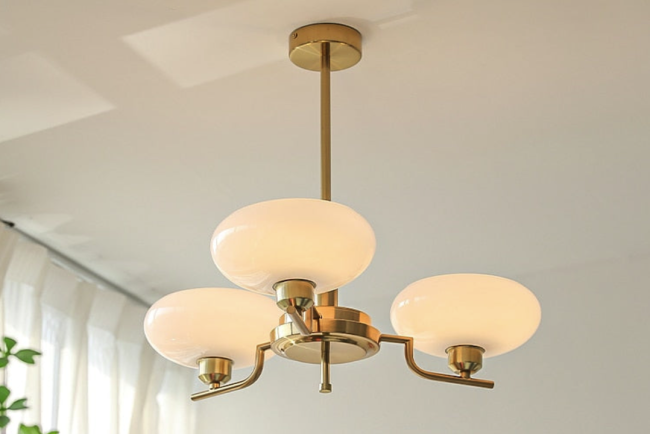
Milk glass chandeliers have a long history, and when combined with Parisian design principles, they can lend a unique ambiance to a space. This article will explore the history and aesthetic appeal of milk glass chandeliers, and how they can be incorporated into interior design to evoke a Parisian sensibility.
Milk glass, a type of opaque or translucent glass, has a manufacturing history dating back to the 18th century. Initially developed in Venice, it gained significant popularity in the United States and Europe throughout the 19th century. Its appeal stemmed from its resemblance to porcelain and alabaster, offering a more affordable alternative for decorative items. The characteristic milky appearance is achieved by adding opacifying agents, such as tin oxide or bone ash, to the molten glass mixture.
Early Production and Evolution
The production of milk glass became more widespread in the mid-19th century. Manufacturers realized its potential for creating a variety of forms, from tableware and decorative objects to lighting fixtures. Early methods often involved hand-blowing and molding techniques, resulting in unique pieces. As industrialization progressed, mass production methods were adopted, making milk glass more accessible to a broader consumer base.
The Rise of Decorative Milk Glass
During the Victorian era, milk glass was frequently used for ornamental purposes. Its ability to be pressed into intricate molds made it ideal for producing elegant and detailed pieces. This era saw the creation of many collectible milk glass items, including hobnail patterns, animal figures, and decorative bowls. The subtle glow it emitted when lit also contributed to its desirability for interior decoration.
Milk Glass in Lighting Fixtures
The properties of milk glass made it a natural fit for lampshades and, subsequently, chandeliers. Its diffusion of light created a softer, more ambient illumination compared to clear glass. This characteristic was particularly valued in domestic settings where a gentle and inviting atmosphere was desired.
Understanding Parisian Interior Design Principles
Parisian style in interior design is often characterized by a blend of classic elegance, personal curation, and a sense of effortless sophistication. It is not about adhering to rigid rules, but rather about cultivating an atmosphere that feels lived-in, elegant, and distinctly personal. This approach often prioritizes quality over quantity and embraces a timeless aesthetic.
The Importance of Architectural Details
Many Parisian apartments and homes feature original architectural details that form the foundation of the design. These can include high ceilings, ornate moldings, parquet flooring, and large windows. These elements provide a sense of grandeur and history, which contemporary furnishings are then layered upon.
Ornate Moldings and Cornices
The intricate plasterwork that adorns ceilings and walls is a hallmark of Parisian interiors. These moldings add visual interest and a sense of refinement, serving as a subtle frame for the overall décor. When selecting lighting, designers often consider how it will complement these existing architectural features.
Parquet Flooring
The characteristic herringbone or chevron pattern of parquet flooring is ubiquitous in Parisian homes. This enduring style adds warmth, texture, and a classic European feel to any room. The natural wood tones provide a grounding element that balances richer decorative elements.
The Art of Curated Imperfection
Unlike some minimalist styles, Parisian design embraces a degree of controlled imperfection. This is not about sloppiness, but rather about allowing items to show their age or wear, suggesting a history and personal connection. A vintage find or a piece of antique furniture is often more valued than something brand new and pristine.
Patina and Vintage Finds
The natural patina that develops on antique furniture or decorative objects is seen as an asset. Vintage pieces are not just decorative; they are narrative elements that tell a story. This approach extends to lighting, where older fixtures might be refurbished rather than replaced.
Layering and Texture
Parisian interiors often feature a thoughtful layering of textiles and textures. This can include velvet upholstery, linen drapes, silk cushions, and natural fiber rugs. This creates a tactile and visually rich environment, inviting occupants to engage with the space.
A Palette of Neutrals and Occasional Bold Accents
The dominant color palette in Parisian design tends to be neutral and understated, often featuring whites, creams, grays, and muted earthy tones. This provides a sophisticated backdrop for carefully chosen accent pieces. These accents, when they appear, are often in richer, bolder hues or feature more intricate patterns.
Soft Neutral Backdrops
The emphasis on neutral walls and large furniture pieces creates a calming and elegant foundation. This allows other elements, such as artwork or a statement light fixture, to stand out without overwhelming the space.
Strategic Use of Color
While not overtly colorful, Parisian style incorporates color strategically. This might be through a richly upholstered accent chair, a vibrant piece of art, or a subtly colored rug. The effect is one of considered indulgence rather than overt display.
The Milk Glass Chandelier as a Parisian Statement Piece
A milk glass chandelier can serve as a significant element in achieving a Parisian ambiance. Its inherent characteristics, when thoughtfully integrated, can contribute to the desired blend of elegance, warmth, and history. The diffused light it casts can soften a room, creating an inviting and intimate atmosphere, reminiscent of the gentle lighting found in many European homes.
Evoking a Sense of Timeless Elegance
Milk glass chandeliers often possess a classic silhouette, drawing from historical lighting designs. This inherent timelessness aligns perfectly with the enduring appeal of Parisian interiors. They are not subject to fleeting trends but rather contribute a consistent sense of sophistication.
Classic Silhouettes and Proportions
Many milk glass chandeliers feature forms that have been popular for decades, if not centuries. This includes tiered designs, globe shapes, and traditional candlestick styles adapted for electrical lighting. Their proportions are often designed to be proportionate to room size, avoiding overwhelming or undersized appearances.
Refined Craftsmanship
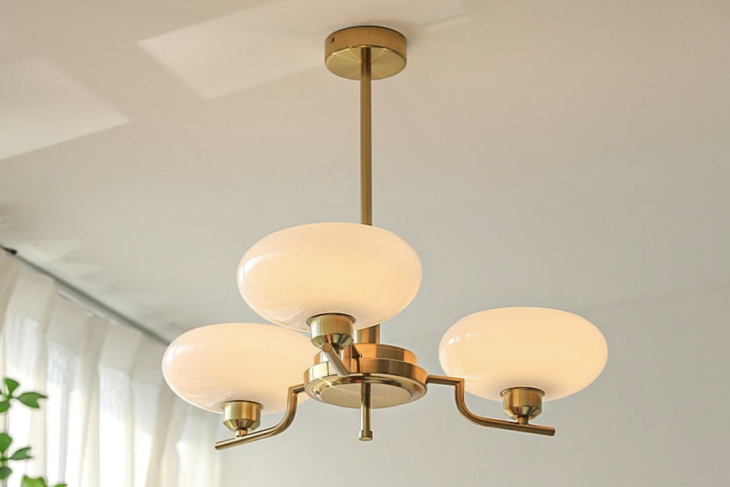
Even mass-produced milk glass fixtures can exhibit a certain refinement in their design and construction. The smooth, opaque surface of the milk glass itself offers a soft, pleasing aesthetic. When combined with metal accents, such as brass or polished nickel, they can lend a polished and elegant finish.
The Diffused Light: A Key Element of Ambiance
The primary functional and aesthetic contribution of a milk glass chandelier is its light diffusion. Unlike clear glass, which can cast harsh, direct light, milk glass softens and disperses the illumination. This creates a gentle glow that is both functional and flattering.
Creating a Soft, Inviting Glow
The opaque nature of milk glass filters the light, preventing glare and creating a more comfortable visual experience. This is ideal for creating a relaxed and welcoming atmosphere, conducive to conversation and relaxation. The light is not a stark spotlight, but rather a luminous wash that bathes the room.
Enhancing the Mood of a Space
The quality of light significantly impacts the mood of a room. A milk glass chandelier’s diffused glow can impart a sense of warmth, intimacy, and tranquility. This is particularly effective in living rooms, dining rooms, and bedrooms, where comfort and relaxation are prioritized.
Balancing Brightness and Shadow
While providing ample illumination, milk glass chandeliers typically avoid creating overly harsh shadows. This results in a more even and pleasing distribution of light, contributing to a balanced and harmonious interior.
Versatility in Parisian-Inspired Décor
The visual characteristics of milk glass chandeliers allow them to integrate seamlessly into various styles that inform Parisian design. They can complement both more traditional, ornate settings and more contemporary, curated spaces.
Complementing Traditional Elegance
In rooms with existing architectural details like moldings and vintage furniture, a milk glass chandelier can feel like an authentic extension of the original design. It adds a touch of historical resonance without appearing anachronistic.
Harmonizing with Modern Elements
Conversely, a milk glass chandelier can also provide a soft counterpoint to more modern, minimalist furniture and décor. Its classic form and gentle light can introduce warmth and a touch of vintage charm to a contemporary space, preventing it from feeling sterile. This creates an interesting dialogue between the old and the new.
Integrating a Milk Glass Chandelier into Your Space
The selection and placement of a milk glass chandelier require careful consideration to ensure it enhances, rather than detracts from, your interior design. The goal is to achieve a harmonious integration that elevates the overall aesthetic.
Sizing and Proportion: The Golden Rule
The size of the chandelier relative to the room is paramount. An oversized fixture can overwhelm a small space, while an undersized one might appear lost in a grander room. As a general guideline, the diameter of the chandelier should be roughly half the width of the room.
Assessing Room Dimensions
Before purchasing, measure the length and width of the room. Consider the ceiling height as well, as taller ceilings can accommodate larger or more elaborate chandeliers. A general rule of thumb for chandeliers over a dining table is that the bottom of the chandelier should be about 30-36 inches above the tabletop.
Understanding Visual Weight
Beyond physical dimensions, consider the visual weight of the chandelier. A more intricate or larger milk glass fixture will have a greater visual impact than a simpler, smaller one. This needs to be balanced with the visual weight of other furnishings in the room.
Material Pairings and Finishes
The metal components of a milk glass chandelier play a significant role in its aesthetic integration. Common finishes include polished brass, brushed nickel, antique bronze, and matte black. The choice of finish can significantly alter the chandelier’s overall feel and its compatibility with existing décor.
Brass: Warmth and Classicism
Polished or antique brass finishes lend a warm, classic, and vintage feel. These are particularly effective in rooms that embrace traditional Parisian elegance, complementing dark woods and rich textiles.
Nickel and Chrome: Modernity and Sophistication
Brushed nickel or polished chrome finishes offer a more contemporary and streamlined aesthetic. These work well when juxtaposed with modern furniture or in spaces that lean towards a more updated interpretation of Parisian style.
Dark Metals: Dramatic Contrast
Finishes like antique bronze or matte black can introduce a dramatic and grounding element. These can create a striking contrast against lighter walls and are suitable for spaces that aim for a more moody or sophisticated atmosphere.
Lighting Placement and Functionality
The placement of a milk glass chandelier should not only be aesthetically pleasing but also functional. Its primary role is often to provide ambient light, but it can also serve as a focal point.
Central Illumination vs. Task Lighting
Consider whether the chandelier is intended as the primary source of ambient light for the entire room or if it is meant to illuminate a specific area, such as a dining table or a seating arrangement. In larger rooms, a milk glass chandelier might be supplemented by other light sources.
Creating Layers of Light
For a truly Parisian feel, layering light is important. A milk glass chandelier can be the main source of diffused light, but it can be complemented by wall sconces, table lamps, and floor lamps to create varying moods and address different functional needs.
Stylistic Considerations and Complementary Décor
The way a milk glass chandelier interacts with its surrounding décor is crucial for achieving a cohesive Parisian-inspired look. It is rarely an isolated element but rather a component of a larger design narrative.
Balancing Opulence with Restraint
Parisian style excels at balancing opulence with restraint. A milk glass chandelier, while decorative, has a certain inherent modesty due to its diffused light. This allows it to be paired with more elaborate furnishings without becoming overwhelming.
Partnering with Vintage Furniture
Antique armoires, velvet-upholstered settees, and ornate mirrors often pair beautifully with milk glass chandeliers. The chandelier can act as a gentle illuminator, highlighting the craftsmanship of older pieces.
Juxtaposing with Contemporary Pieces
In a more modern setting, a milk glass chandelier can introduce a vintage anchor. It can soften the clean lines of contemporary furniture and add a touch of unexpected character, preventing the space from feeling too stark.
The Role of Textiles and Wall Coverings
The impact of a milk glass chandelier is also influenced by the textiles and wall coverings in the room. Soft, textured fabrics and muted wall colors tend to enhance its glow.
Soft Drapes and Upholstery
Rich fabrics like velvet, linen, and silk in neutral or muted tones will amplify the ambient effect of the milk glass. These fabrics absorb and reflect light gently, creating a warm and inviting atmosphere.
Wall Colors as a Canvas
Light, neutral wall colors – such as off-white, cream, or soft grey – provide an ideal backdrop. They allow the milk glass chandelier’s glow to be the primary light source, without competing color palettes. Darker walls can also work, creating a more dramatic and intimate setting, where the chandelier becomes a luminous beacon.
Artwork and Decorative Objects
The placement of artwork and decorative objects around a milk glass chandelier can further define the room’s style. Subtle, curated arrangements tend to align better with Parisian principles.
Curated Collections
Instead of displaying a multitude of small items, consider a few well-chosen pieces. This could include framed prints, landscape paintings, or sculptural objects. The chandelier can illuminate these items, drawing attention to their artistic merit.
Mirrors and Reflective Surfaces
Mirrors, especially those with ornate frames, are a common feature in Parisian interiors. A milk glass chandelier can be positioned to reflect in a mirror, amplifying its light and creating a sense of depth and spaciousness.
Conclusion: The Enduring Appeal of the Milk Glass Chandelier in Parisian Style
The milk glass chandelier, when viewed through the lens of Parisian interior design, emerges as more than just a light fixture. It embodies a harmonious blend of history,
aesthetic sensibility, and functional warmth. Its ability to cast a soft, diffused glow contributes significantly to the creation of an inviting and elegantly understated atmosphere that is a hallmark of Parisian interiors. The enduring appeal of milk glass chandeliers lies in their timeless elegance and their capacity to integrate seamlessly into diverse design schemes, acting as a quiet yet impactful statement piece. They offer a tangible link to historical craftsmanship while remaining relevant in contemporary living spaces, proving that true style transcends trends. The subtle sophistication they introduce can elevate the everyday, transforming a house into a home with a curated and lived-in charm, embodying the very essence of Parisian chic.