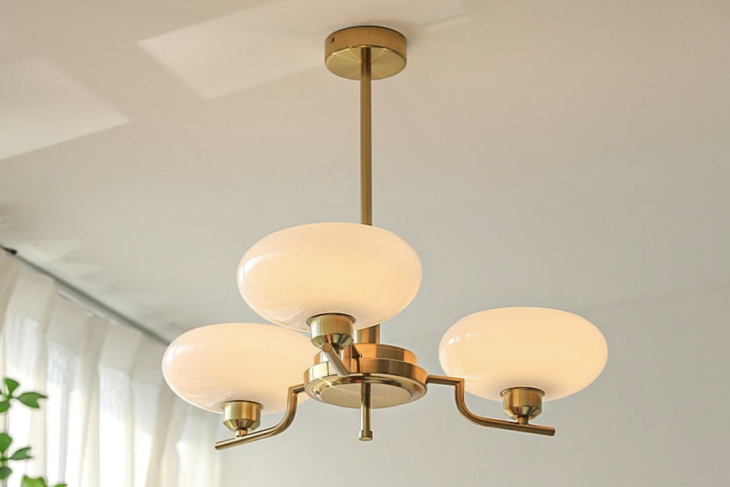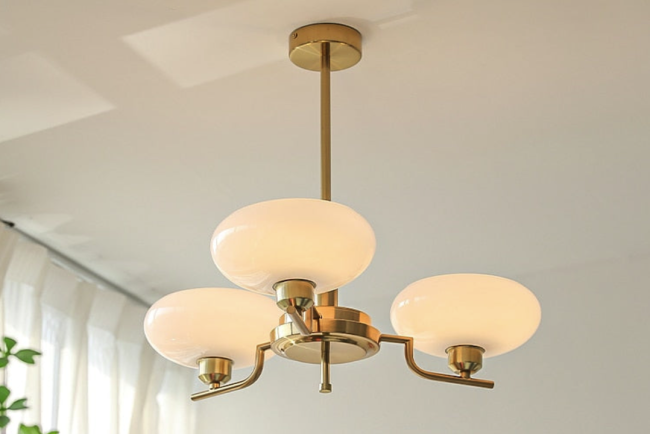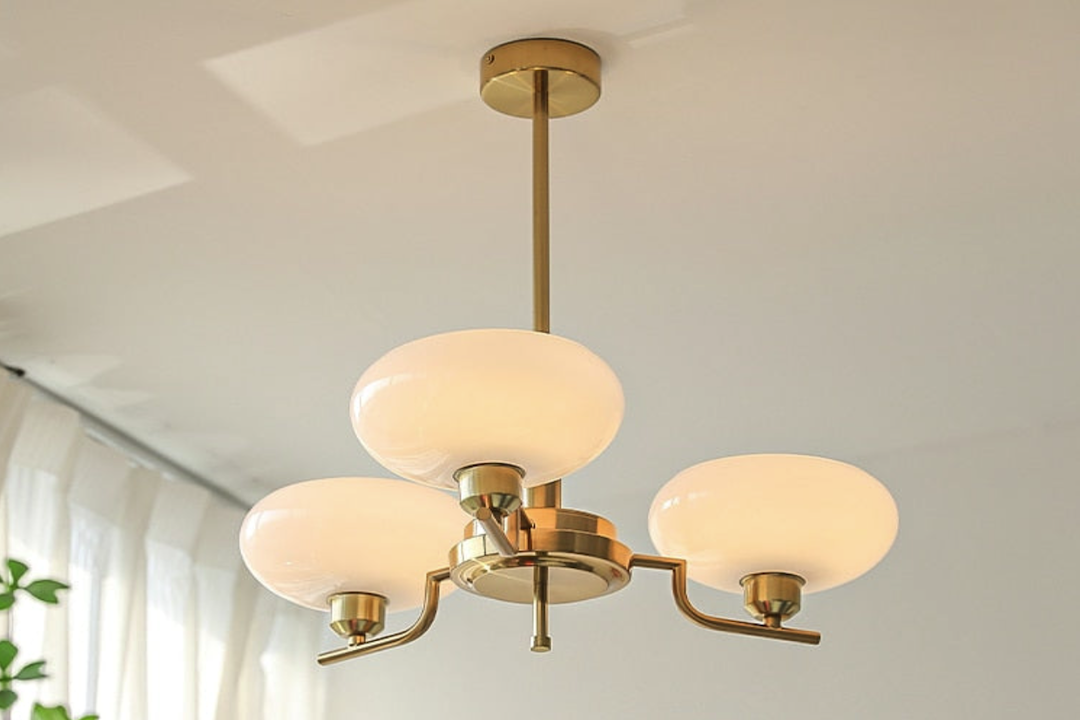
Opal glass and brass arm lighting fixtures represent a distinct category within decorative and functional illumination. These luminaires often feature a combination of materials chosen for their aesthetic appeal and light-diffusing properties. The opal glass, typically milk-white or frosted, serves to soften and homogenize light, reducing glare and creating a more ambient atmosphere. Brass, a metal alloy primarily composed of copper and zinc, provides a warm, durable, and often ornate framework for the glass elements. This material pairing has a history rooted in periods emphasizing craftsmanship and the incorporation of natural materials into interior design.
This article will explore the characteristics, historical context, design typologies, technological considerations, and stylistic applications of elegant opal glass and brass arm lighting. It aims to provide a comprehensive overview for those interested in interior design, historical decorative arts, and the evolution of lighting technology.
The use of opal glass and brass in lighting emerged gradually, influenced by advancements in glassmaking and metalworking, as well as evolving aesthetic sensibilities.
Early Innovations in Glassmaking
The development of techniques to create opaque or translucent glass, such as opal glass, marked a significant step. Early forms of opacification involved the addition of bone ash or tin oxide to molten glass. These methods allowed for the production of glass that diffused light Ninelighting more effectively than clear or colored glass, which was crucial for developing more comfortable and aesthetically pleasing artificial light sources.
The Rise of Brass in Decorative Arts
Brass has long been valued for its malleability, resistance to corrosion, and inherent luster. Its use in decorative objects, including lighting fixtures, gained prominence during periods of increased industrialization and a flourishing of the arts and crafts movements. Brass could be cast, spun, or forged into intricate shapes, allowing for the creation of detailed mountings and structural elements that complemented the optical qualities of opal glass.
Victorian and Edwardian Influences
The Victorian and Edwardian eras, in particular, saw a significant proliferation of elaborate and decorative lighting. Opal glass shades, often etched or patterned, were frequently paired with brass bases and arms. This period was characterized by a desire for ornamentation and a fusion of practicality with artistic expression. Chandeliers, wall sconces, and table lamps from this time frequently employed the opal glass and brass combination, reflecting the prevailing design trends.
Modern Revivals and Adaptations
While the heyday of purely decorative fixtures may have passed, the aesthetic of opal glass and brass has seen periodic revivals. Contemporary designers often reinterpret classic forms, incorporating modern manufacturing techniques and electrical components. These modern adaptations can range from minimalist interpretations that highlight the inherent beauty of the materials to more complex designs that integrate them with newer lighting technologies.
Design Typologies and Forms
Opal glass and brass arm lighting encompasses a diverse range of fixture types, each serving different functional and aesthetic purposes. The “arm” in this context typically refers to the supporting structure that suspends or extends the light source and its shade.
Wall Sconces
Wall sconces are a common application for opal glass and brass arm lighting. The arms in these fixtures extend from a wall-mounted base, holding one or more opal glass shades.
Single-Arm Sconces
These are the most straightforward, featuring a single arm that supports a single shade. They are often used for accent lighting or in hallways and smaller rooms. The arm might be straight, curved, or even S-shaped, allowing for variations in projection from the wall.
Multi-Arm Sconces
More elaborate wall sconces can feature multiple arms branching from a central backplate. These can accommodate several opal glass shades, increasing the overall light output and creating a more visually impactful display. The arrangement of arms can be symmetrical or asymmetrical, contributing to the fixture’s overall character.
Pendant and Chandelier Designs
Opal glass shades suspended by brass arms are also characteristic of pendant lights and chandeliers. Here, the arms often serve to position multiple shades around a central stem or canopy.
Single Pendant Lights
A single opal glass shade suspended by a brass arm from a ceiling canopy is a common form. The arm in this case might be a decorative element itself or a simple connector, dictating the distance of the shade from the ceiling.
Chandelier Arrangements
Chandeliers incorporating opal glass and brass arms can range from relatively simple configurations to grand, multi-tiered arrangements. The arms in a chandelier can extend outwards and upwards, creating a sense of volume and distributing light across a larger area. The interplay of light reflecting off the brass and diffusing through the opal glass is often a key feature of these designs.
Table and Floor Lamps
The combination is also utilized in freestanding lamps, where brass arms support the opal glass shades and house the electrical components.
Table Lamp Structures
Table lamps might feature a single brass arm that curves over to hold a lamp on a base, or multiple articulated arms that allow for adjustable positioning of the light. The opal glass shade softens the light, making it suitable for reading or task lighting.
Floor Lamp Configurations
Floor lamps often employ a taller brass stem with one or more arms extending outwards, typically at a height conducive to ambient room lighting or focused task lighting. The stability of the base is paramount in these designs, as the brass arms and glass shades can add significant visual weight.
Material Properties and Aesthetic Qualities
The selection of opal glass and brass is driven by their unique material properties, which contribute significantly to the aesthetic and functional outcomes of the lighting fixtures.
The Nature of Opal Glass
Opal glass is characterized by its milky or translucent appearance, achieved through the suspension of fine particles within the glass matrix.
Light Diffusion and Softening
The primary functional benefit of opal glass is its ability to diffuse light. Instead of emitting a harsh, direct beam, it spreads the light evenly, reducing glare and creating a more comfortable visual experience. This diffusion acts like a veil, softening the raw intensity of the light source.
Color Neutrality and Warmth
High-quality opal glass typically exhibits a neutral white color when unlit, which allows it to accurately render the colors of its surroundings when illuminated. When lit, it typically emits a warm, inviting glow, further enhancing the ambient quality of the light. The glass itself can also have subtle variations in opacity, contributing to its unique visual character.
The Versatility of Brass
Brass offers a combination of durability, workability, and a distinct visual appeal that has made it a staple in decorative arts for centuries.
Warm Tone and Luster
Brass possesses a naturally warm, golden hue that complements a wide range of interior design styles. Its luster can be polished to a high shine, reflecting light and adding a sense of opulence, or it can be left with a more subdued patina, offering a vintage or aged aesthetic.
Malleability and Craftsmanship
The relative softness of brass compared to iron or steel allows it to be shaped into intricate designs through various metalworking techniques, including casting, spinning, and engraving. This workability enabled the creation of highly detailed arms, mounting hardware, and decorative accents on fixtures, showcasing the skill of the artisan.
Patination and Aging
Over time, brass develops a patina – a surface layer of oxidation that alters its color and texture. This aging process can be desirable, imparting a sense of history and character to the fixture. Many users choose to preserve or even enhance this patina, adding to the unique appeal of older pieces.
Technological Considerations and Integration
While the aesthetic appeal of opal glass and brass arm lighting is clear, their integration with modern lighting technology is crucial for their continued relevance and functionality.
Evolution of Light Sources
The transition from incandescent bulbs to more energy-efficient and technologically advanced light sources has had a significant impact on the design and performance of these fixtures.
Incandescent and Halogen Bulbs
Historically, opal glass and brass fixtures were designed to accommodate incandescent bulbs, which produced heat and had a relatively short lifespan. Halogen bulbs offered a brighter, more focused beam but also generated considerable heat. Dimmers were often incorporated to control the intensity of light from these sources.
Compact Fluorescent Lamps (CFLs)
The advent of CFLs provided a more energy-efficient alternative, but their color rendering could sometimes be inconsistent and they often required a warm-up period. Integrating CFLs into enclosed opal glass shades sometimes presented thermal management challenges.
Light Emitting Diodes (LEDs)
LED technology represents a paradigm shift. LEDs offer superior energy efficiency, longevity, and a wide range of color temperatures and brightness levels. Crucially, LEDs generate significantly less heat, which is beneficial for extending the lifespan of both the LED and the surrounding materials.
Integration Challenges and Solutions
Adapting traditional designs to modern lighting technologies presents certain challenges.
Thermal Management
While LEDs are cooler, some designs may still require attention to heat dissipation, particularly if enclosed for aesthetic reasons. Proper ventilation and the use of heat-conductive materials within the fixture are important considerations.
Bulb Shape and Size Compatibility
The physical dimensions and shapes of LED bulbs can differ from older incandescent types. Fixture designs, particularly the aperture of the opal glass shade, must accommodate these modern bulbs without compromising the overall aesthetic or light distribution.
Driver and Power Supply Integration
LEDs require drivers and power supplies to function. Integrating these electronic components discreetly into the fixture’s design, often within the base or an extended arm, is a key aspect of modern product development. The goal is to maintain the elegant appearance of the brass and glass without visible bulk.
Dimming and Smart Lighting Capabilities
Modern fixtures often incorporate dimming features, allowing users to adjust light levels. The integration of smart lighting technologies, enabling remote control via apps or voice commands, is also becoming increasingly common, adding a layer of functional sophistication to these classic designs.
Stylistic Applications and Interior Design
Elegant opal glass and brass arm lighting can be integrated into a wide array of interior design styles, offering a bridge between classic elegance and contemporary sensibilities.
Traditional and Classic Interiors
In settings that embrace historical accuracy or a more traditional aesthetic, these fixtures serve as authentic elements.
Victorian and Edwardian Households
Replicated or authentic fixtures from these eras can add a layer of historical resonance, complementing ornate furniture, rich textiles, and detailed architectural mouldings. The gentle glow of opal glass in a period room creates an atmosphere of warmth and familiar comfort.
French Provincial and Country Styles
The warm tones of brass and the soft light of opal glass align well with the rustic charm and understated elegance of French Provincial or country-inspired interiors. They can provide a touch of gentle illumination without overpowering the natural materials and softer color palettes often found in these styles.
Transitional and Eclectic Design
Beyond purely historical contexts, opal glass and brass arm lighting can act as a unifying element in transitional spaces, blending old and new.
Mixing Eras and Styles
In an eclectic interior, a well-chosen opal glass and brass fixture can serve as a focal point, connecting disparate elements. A more streamlined brass sconce with a simple opal shade, for instance, can add a touch of polished sophistication to a room filled with a variety of furniture styles and decorative objects.
Enhancing Ambient Lighting
These fixtures are particularly adept at providing soft, ambient light, which is a cornerstone of good interior design. They can supplement task lighting or introduce a welcoming glow to living rooms, dining areas, and bedrooms. The way the light spills and diffuses can soften hard edges and create a more inviting mood, much like a gentle tide smoothing the shores of a room.
Modern and Contemporary Spaces
Contrary to initial assumptions, opal glass and brass can also find their place in modern and minimalist interiors, provided the design is approached with a discerning eye.
Sculptural Forms
Contemporary designs often feature brass arms with clean, geometric lines and elegant opal glass shades. These can act as sculptural elements within a minimalist space, adding a touch of refined warmth without becoming overly ornamental.
Focusing on Materiality
In a modern context, the emphasis may shift to the inherent beauty and texture of the materials themselves. A fixture with a brushed brass finish and a precisely crafted opal glass shade can provide a sophisticated counterpoint to sleek finishes and minimalist furniture. The contrast between the warm, yielding brass and the cool, smooth glass can be a source of subtle visual interest.