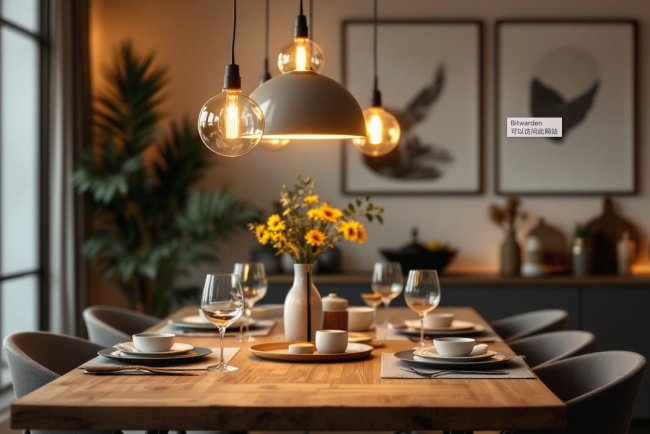
Brass chandelier lighting, particularly in its modern iterations, has transitioned from a purely functional illumination source to a significant design element within contemporary interiors. This evolution reflects a broader shift in interior design trends, where lighting fixtures are no longer relegated to mere utility but are embraced as sculptural pieces that define a room’s aesthetic. The enduring appeal of brass, a metallic alloy predominantly composed of copper and zinc, lies in its inherent warmth, its capacity to age gracefully, and its versatility in suiting a wide array of design styles, from minimalist to opulent. Modern brass chandelier lighting, specifically, reimagines traditional forms through cleaner lines, innovative material pairings, and a focus on form and function.
The use of brass in lighting fixtures dates back centuries. Early chandeliers Idmhome were often wrought from iron or bronze, but brass gained popularity for its malleability, allowing for more intricate designs, and its lustrous finish, which lent an air of sophistication.
Historical Context of Brass Chandeliers
In historical settings, brass chandeliers were a symbol of status and wealth. They were often found in grand halls, royal palaces, and prestigious public buildings, illuminating spaces with countless candles. The craftsmanship involved in their creation was considerable, with artisans employing techniques like casting, forging, and engraving to produce elaborate and decorative pieces.
The Mid-Century Modern Influence
The mid-century modern period saw a significant resurgence and reinterpretation of brass lighting. Designers of this era sought to break away from the ornate styles of previous decades, embracing simplicity, organic forms, and functionality. Brass was a favored material, often paired with glass or wood to create fixtures that were both elegant and understated. Think of Sputnik-inspired designs or geometric arrangements, where brass became the framework for a constellation of light.
Contemporary Adaptations of Traditional Forms
Modern brass chandeliers build upon this legacy, adapting traditional silhouettes to suit contemporary tastes. This often involves stripping away extraneous ornamentation, focusing on geometric shapes, and exploring scale and proportion. The classic tiered chandelier, for instance, might be re-envisioned with a more streamlined profile, using clear or frosted glass elements and a brushed or polished brass finish.
Design Principles of Modern Brass Chandeliers
Modern brass chandeliers distinguish themselves through a deliberate approach to design, prioritizing form, material interplay, and ambient quality. These fixtures are conceived not just to cast light but to sculpt it, becoming focal points that direct a room’s visual narrative.
Minimalism and Geometric Purity
A hallmark of modern design is its embrace of minimalism and geometric purity. Modern brass chandeliers often feature clean lines, simple shapes, and a lack of excessive embellishment. This can manifest in linear arrangements, circular designs, or intersecting geometric forms. The brass itself might be presented in a matte, brushed, or polished finish, each offering a distinct textural quality that contributes to the overall aesthetic. The intent is often to create a statement piece that is impactful due to its form rather than its ornamentation.
Linear and Rod Construction
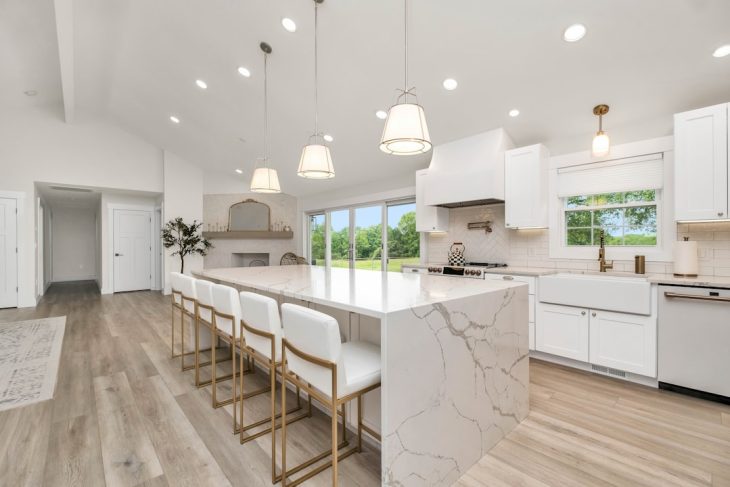
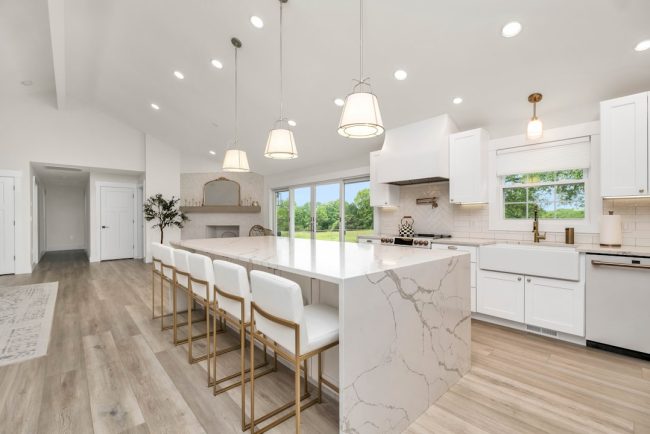
Many modern brass chandeliers employ linear or rod-based construction. These can be single, elongated rods suspending bulbs, or multiple rods arranged in a linear fashion, creating a contemporary take on a linear chandelier. This style works particularly well over dining tables or kitchen islands, providing focused illumination and a sense of symmetry. The brass acts as a conductor, not just of electricity but of a refined aesthetic.
Spherical and Curvilinear Designs
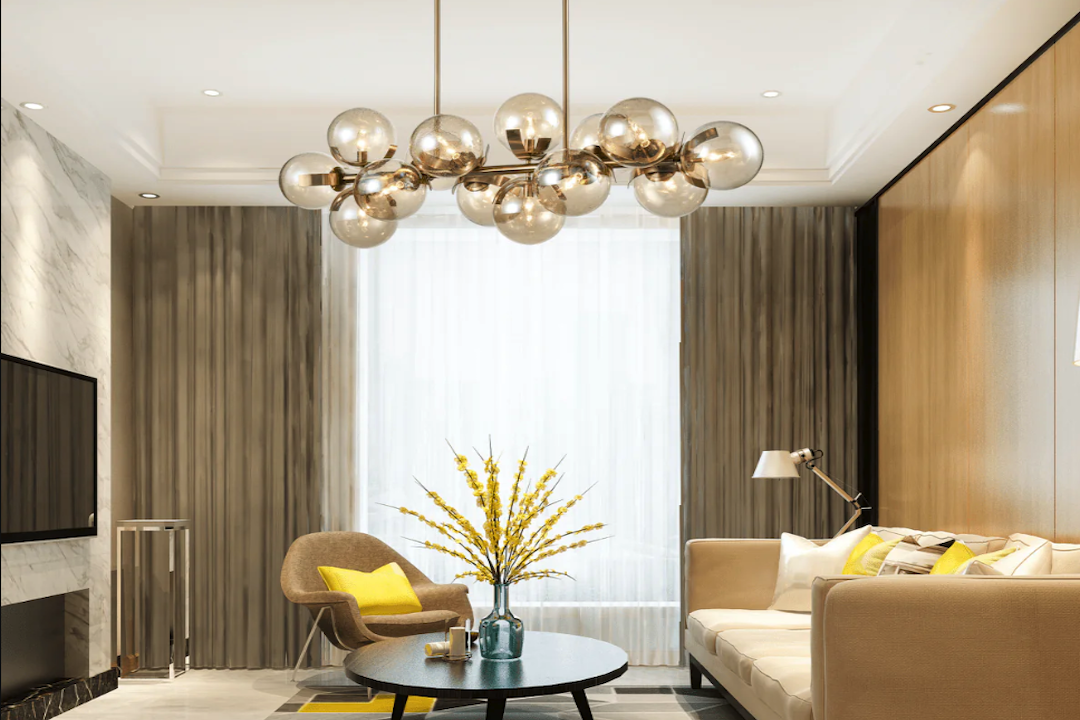
Other modern designs embrace spherical or curvilinear forms. This can include clusters of globes, intersecting arcs, or fluid, organic shapes. These designs often soften the typically rigid nature of geometric forms, introducing elements of movement and fluidity into the space. The interplay of light on the curved brass surfaces can create dynamic visual effects, much like ripples on water.
Material Juxtaposition
Contemporary designers frequently pair brass with other materials to create visual interest and enhance the chandelier’s aesthetic appeal. This juxtaposition allows the brass to either stand out or complement other elements within the room.
Brass and Glass Combinations
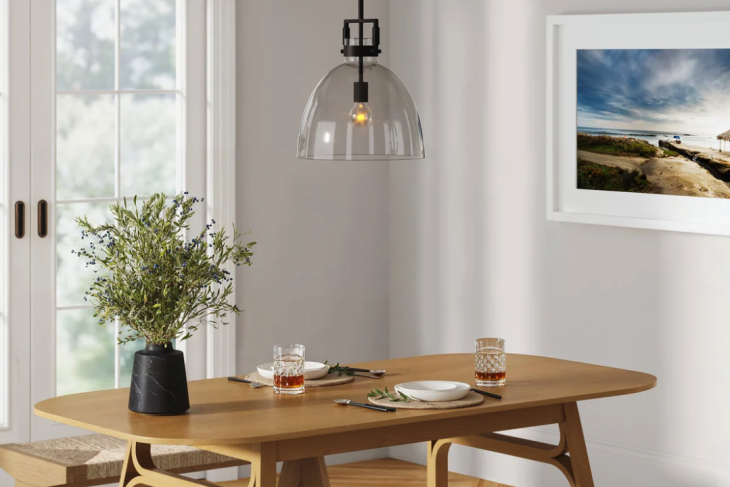
The pairing of brass with glass is a classic and enduring combination that has been revitalized in modern design. Modern iterations might feature clear, frosted, seeded, or colored glass shades. The clarity of the glass allows the brass structure to be clearly appreciated, while frosted or seeded glass diffuses light for a softer glow. The relationship is akin to a delicate embroidery on a warm fabric.
Brass with Wood or Stone Accents
The inclusion of wood or stone elements adds a touch of natural warmth and textural contrast to brass chandeliers. These can be subtle accents, such as wooden end caps on a brass rod, or more significant components, like a marble base or wooden detailing on a central column. This fusion of materials anchors the fixture and can help to integrate it seamlessly with other natural elements in the room’s decor.
Scale and Proportion
The impact of a modern brass chandelier is significantly influenced by its scale and proportion relative to the space it occupies. Designers carefully consider the height of the ceiling, the dimensions of the room, and the surrounding furniture to select or commission a fixture that is neither overwhelming nor underwhelming.
Statement Pieces for Large Spaces
In grander living rooms or entryways, oversized brass chandeliers can serve as magnificent statement pieces. These fixtures command attention and become an integral part of the room’s architectural character. Their scale ensures they are proportionate to the volume of the space, preventing them from appearing lost or insignificant.
Subtle Accents for Intimate Areas
Conversely, in smaller dining nooks or bedrooms, a more modestly sized brass chandelier can provide a touch of elegance without dominating the space. The key is to maintain a visual balance, where the chandelier enhances rather than competes with the room’s existing elements. This is like a subtle whisper that adds depth to a conversation.
Functional and Aesthetic Benefits of Modern Brass Chandeliers
Beyond their visual appeal, modern brass chandeliers offer a range of functional and aesthetic benefits that contribute to a room’s overall ambiance and utility. Their ability to provide both ambient and task lighting, coupled with their inherent quality and durability, makes them a worthwhile investment for discerning homeowners.
Illumination Quality and Versatility
Modern brass chandeliers are designed to provide versatile illumination. Depending on the shade type and bulb selection, they can offer bright, focused light for tasks or a soft, diffused glow for ambiance.
Ambient Lighting Solutions
Many contemporary brass chandeliers are designed to cast a broad, ambient light throughout a room. This is often achieved through the use of frosted glass shades or shades that direct light upwards and outwards. The warm tone of brass can further enhance the welcoming nature of this ambient light, creating a cozy and inviting atmosphere.
Task Lighting Integration
Certain modern brass chandelier designs incorporate elements that provide more focused task lighting. This can include directional spot lights or arms that can be adjusted to illuminate specific areas, such as a reading nook or a workspace. The combination of ambient and task lighting within a single fixture offers both practicality and aesthetic coherence.
Timeless Appeal and Durability
Brass, as a material, possesses inherent qualities that contribute to its timeless appeal and durability. Unlike many plated metals that can chip or tarnish unevenly, brass ages with a patina that many find desirable.
The Aging Process of Brass
Over time, brass develops a unique patina. This oxidation process, often referred to as “aging” or “verdigris,” can lend a vintage charm to the fixture. The color can deepen, and subtle variations in tone can emerge, creating a surface that tells a story. This gradual transformation is a deliberate aspect of brass’s appeal for many designers and homeowners.
Longevity and Investment Value
A well-crafted brass chandelier is a long-term investment. The material is inherently robust and resistant to corrosion, meaning that with proper care, it can last for decades. This durability, combined with its enduring aesthetic, contributes to its lasting value within a home.
Impact on Room Aesthetics
The presence of a modern brass chandelier can profoundly impact the overall aesthetic of a room. It acts as a focal point, drawing the eye and setting the tone for the interior design.
Creating a Focal Point
A striking brass chandelier can instantly become the centerpiece of a room, anchoring the design and guiding the viewer’s attention. Its scale, form, and the quality of light it emits all contribute to its role as a dominant visual element.
Elevating Interior Design Styles
Modern brass chandeliers are remarkably versatile and can elevate a wide range of interior design styles. They can add warmth and sophistication to minimalist spaces, introduce a touch of glamour to contemporary interiors, or provide a bridge between traditional and modern elements. The material’s innate warmth can soften the edges of often stark modern designs, while its refined sheen can add a layer of opulence to more subdued palettes.
Types of Modern Brass Chandeliers
The category of modern brass chandeliers is broad, encompassing a spectrum of designs that cater to diverse aesthetic preferences and functional requirements. Understanding these variations is key to selecting the most suitable fixture.
Geometric and Linear Designs
These chandeliers emphasize clean lines and geometric shapes, often featuring straight rods, squares, or rectangles, and are ideal for spaces that benefit from a sense of order and symmetry.
Rod Chandeliers
Characterized by one or more straight rods, often with exposed bulbs or simple glass shades, these fixtures offer a minimalist and industrial-inspired aesthetic. They are particularly effective over dining tables or kitchen islands. The brass rod acts as a structural spine, a testament to the beauty of engineered simplicity.
Cage and Frame Chandeliers
These designs feature geometric frameworks, often cubic or rectangular, within which the light sources are housed. The open-cage design allows light to emanate freely, creating an airy yet defined presence. The brass frame becomes a sculpture of light, a gilded cage holding a luminous treasure.
Spherical and Globe Chandeliers
Focusing on rounded forms, these chandeliers introduce a softer, more organic feel to a space. They can range from single, large globes to clusters of smaller spheres.
Clusters of Globes
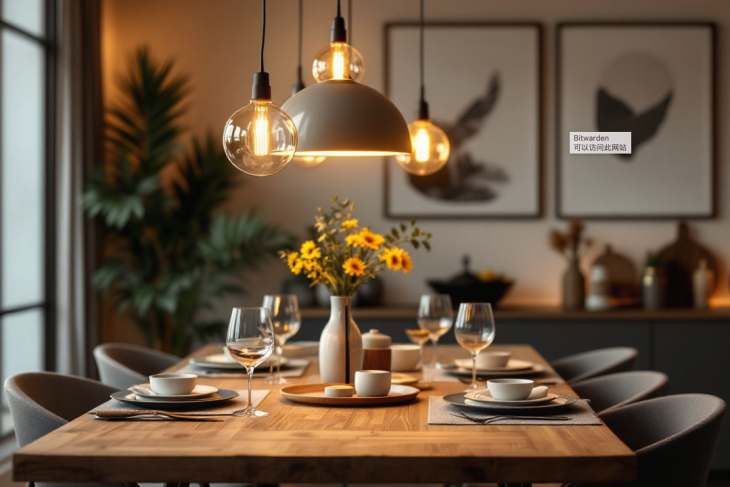
These chandeliers feature multiple glass globes suspended at varying heights or clustered together, creating a dynamic and visually engaging display. The arrangement of the globes can resemble a constellation, each emitting its own soft light.
Single Large Globe Chandeliers
A singular, often substantial, glass globe suspended by brass elements can create a dramatic focal point. The simplicity of the design allows the beauty of the glass and the warmth of the brass to take center stage. This is akin to a solitary moon hanging in a brass sky.
Abstract and Sculptural Designs
This category embraces more unconventional forms, where the chandelier transcends its functional purpose to become a piece of art.
Organic and Flowing Forms
Chandeliers with flowing, organic lines evoke natural shapes, such as branches or water currents. The brass is manipulated into curves and twists, creating a sense of movement and fluidity. This is where metal becomes liquid, frozen in a moment of grace.
Asymmetrical Arrangements
Designs featuring asymmetrical placement of arms, bulbs, or shades offer a playful and unconventional aesthetic. These fixtures break free from traditional symmetry, creating a unique visual rhythm. The asymmetry can bring a sense of lively dynamism, like a spontaneous dance of light.
Selecting the Right Modern Brass Chandelier
The process of selecting a modern brass chandelier involves careful consideration of several factors, ensuring the chosen fixture complements the existing decor, adequately illuminates the space, and meets personal aesthetic preferences. Navigating this decision is akin to choosing a key instrument for an orchestra, each note needing to harmonize.
Assessing Room Dimensions and Ceiling Height
The scale of the chandelier must be proportionate to the room. A general guideline for width is to measure the length and width of the room in feet and add them together; the resulting number in inches is a suitable diameter for the chandelier. For ceiling height, consider the rule that the bottom of the chandelier should hang at least 7 feet from the floor in a standard 8-foot ceiling room, with additional height for higher ceilings. This ensures adequate headroom and visual balance.
Calculating Appropriate Diameter
For living rooms and dining rooms, the sum of the room’s length and width in feet, when converted to inches, provides a good starting point for the chandelier’s diameter. For example, a room that is 12 feet by 15 feet would suggest a chandelier diameter of around 27 inches (12 + 15).
Determining Optimal Hanging Height
The lowest point of the chandelier should typically be at least 7 feet from the floor in rooms with standard 8-foot ceilings. For areas like dining tables, the bottom of the chandelier should be around 30-36 inches above the tabletop. This ensures it doesn’t obstruct views or cause discomfort to diners.
Matching Style with Interior Decor
The chosen chandelier should harmonize with the overall design aesthetic of the room. A minimalist chandelier might be perfect for a modern space, while a slightly more intricate design could complement a transitional style.
Complementing Modern and Minimalist Interiors
For spaces characterized by clean lines and a neutral palette, a geometrically structured brass chandelier with a brushed or matte finish can enhance the existing aesthetic without overwhelming it. The brass provides a subtle warmth and sophistication, acting as a grounding element.
Enhancing Transitional and Eclectic Styles
In transitional or eclectic interiors, a modern brass chandelier can serve as a bridge between different design elements. Its classic material in a contemporary form can tie together disparate pieces, adding a touch of refined elegance. Consider a chandelier with a slightly more elaborate silhouette or a combination of brass with other materials.
Considering Light Output and Bulb Type
The functional aspect of illumination is paramount. The type of bulbs used and the design of the shades will significantly influence the light quality and the overall ambiance.
LED vs. Incandescent Bulbs
Modern chandeliers often accommodate LED bulbs, which are energy-efficient and available in a wide range of color temperatures. Consider the lumen output for adequate brightness and the Kelvin temperature for desired warmth or coolness of the light. Incandescent bulbs offer a warm, familiar glow, but are less energy-efficient.
Shade Materials and Light Diffusion
The material of the shades, whether clear glass, frosted glass, linen, or metal, will affect how light is diffused. Clear glass offers unobstructed light, while frosted or seeded glass diffuses light for a softer, more ambient effect. Metal shades can direct light downwards, ideal for task lighting.
Installation and Maintenance of Brass Chandeliers
Proper installation and regular maintenance are crucial for ensuring the longevity, safe operation, and continued aesthetic appeal of a modern brass chandelier. Neglecting these aspects can lead to functional issues or premature degradation of the fixture.
Professional Installation Recommendations
While some may consider DIY installation, highly recommending professional electrical installation for chandeliers is advisable. This ensures the fixture is safely connected to the electrical system, adheres to local building codes, and is securely mounted to prevent potential accidents. An electrician will ensure the wiring is sound and the load capacity of the ceiling support is adequate.
Ensuring Electrical Safety
A qualified electrician will verify that the junction box is rated for the weight of the chandelier and that the wiring is compatible and correctly connected. This mitigates the risk of electrical hazards or premature failure of the lighting system.
Secure Mounting Techniques
Professional installers use appropriate mounting hardware and techniques to ensure the chandelier is securely attached to the ceiling. This is especially important for heavier fixtures, preventing them from becoming dislodged.
Routine Cleaning and Care
Regular cleaning will preserve the luster of the brass and prevent the accumulation of dust and grime, which can dull its finish. The cleaning frequency will depend on the environment and the chosen brass finish.
Brass Finishes and Their Care
Polished brass often requires regular polishing to maintain its shine, while brushed or antique brass finishes may be more forgiving and can be cleaned with a damp cloth and mild soap. Matte finishes typically require gentle dusting. It is important to consult the manufacturer’s recommendations for specific care instructions, as harsh chemicals can damage certain finishes.
Dealing with Patina
If a patina has developed and the intention is to restore a brighter finish, specific brass polishes can be used. However, many intentionally seek out the aged patina as a desirable aesthetic feature. In such cases, gentle dusting is sufficient.
Lamp Replacement and Troubleshooting
When it’s time to replace bulbs or if the chandelier exhibits any malfunctioning, understanding the process is important. Modern chandeliers often utilize specialized bulbs, so identifying the correct type is essential.
Identifying Appropriate Bulb Types
Before replacing a bulb, ensure you know the correct base type (e.g., E26, E12), wattage, and shape recommended for the chandelier. Many modern fixtures are designed for LED bulbs, which offer longevity and energy efficiency.
Common Troubleshooting Steps
If the chandelier is not functioning, the first steps usually involve checking the circuit breaker or fuse. If the issue persists, examining the bulb connections and ensuring the bulbs are screwed in properly can resolve minor problems. For more complex issues, consulting an electrician is recommended.