Outdoor spaces, once primarily functional, have evolved into extensions of the indoor living environment. The integration of advanced lighting solutions plays a crucial role in this transformation, enhancing both usability and aesthetic appeal. Among these solutions, chandelier lighting presents a distinctive option, offering a blend of historical grandeur and contemporary design versatility for exterior settings.
The chandelier, fundamentally a branched decorative light Cooblo fixture, originated as early as the medieval period. Early examples consisted of wooden crosses with candles, suspended by ropes. As technology advanced and interior design grew more elaborate, chandeliers became symbols of status and affluence, evolving into intricate metalwork adorned with crystals and electric bulbs. For centuries, their application was almost exclusively indoors, gracing ballrooms, dining halls, and grand entryways.
Early Concepts of Outdoor Illumination
Before the advent of widespread electric lighting, outdoor illumination was rudimentary. Torches, lanterns, and oil lamps provided limited light, primarily for safety and basic navigation. The concept of decorative outdoor lighting was largely absent, with practicality dictating design.
The Shift to Exterior Applications
The twentieth century brought significant changes, including mass production of electric lighting and a growing desire to extend domestic comforts outdoors. Initially, simple wall-mounted fixtures and floodlights dominated, emphasizing utility over artistry. The deliberate design of outdoor living areas, however, spurred innovation. The adaptation of indoor lighting styles, including chandeliers, for outdoor use marked a significant design paradigm shift, bringing a new layer of sophistication and embellishment to patios, gazebos, and pergolas.
Design Considerations for Outdoor Chandeliers
Integrating chandeliers into an outdoor space requires careful consideration of environmental factors, safety standards, and aesthetic integration. The selection process differs significantly from choosing an indoor fixture, demanding specific material properties and electrical certifications.
Material Durability and Weather Resistance
Outdoor chandeliers are exposed to diverse weather conditions, including rain, wind, sunlight, and fluctuating temperatures. Therefore, material selection is paramount for longevity and performance.
Corrosion-Resistant Metals
Common choices include marine-grade stainless steel, typically 316L, known for its high resistance to rust and oxidation, especially in coastal environments. Aluminum is another popular option, prized for its lightweight nature and inherent corrosion resistance, often finished with powder coating for enhanced protection and color. Copper and brass, while developing a patina over time, offer distinct aesthetic appeal and good resistance to the elements.
UV-Resistant Finishes
Finishes, such as powder coats and specialized paints, must be UV-resistant to prevent fading, cracking, and peeling when exposed to prolonged sunlight. A high-quality finish not only preserves the appearance but also adds a protective layer against moisture ingress.
Shatter-Resistant Components
Glass components, if present, should be tempered or made from acrylic or polycarbonate to resist impact and thermal shock. This prevents shattering due to accidental contact or extreme temperature changes, enhancing safety.
Electrical Safety and Ratings
Outdoor wiring and fixtures are subject to stringent safety regulations due to their exposure to moisture. Compliance with these standards is non-negotiable for personal safety and regulatory approval.
IP Ratings Explained
Ingress Protection (IP) ratings indicate a fixture’s resistance to solids and liquids. For outdoor use, an IP rating of at least IP44 is generally recommended, protecting against splashes of water from any direction and solid objects greater than 1mm. For areas directly exposed to rain or requiring jet-wash cleaning, higher ratings like IP65 or IP67 may be necessary.
Wet-Rated vs. Damp-Rated
Understanding fixture ratings is critical.
- Damp-rated fixtures are suitable for areas sometimes exposed to moisture but not direct water contact, such as covered porches or gazebes.
- Wet-rated fixtures are designed to withstand direct exposure to rain, snow, and other elements, making them suitable for entirely uncovered outdoor spaces. Always verify the appropriate rating for the intended installation location.
Professional Installation Recommendations
Due to the complexities of outdoor wiring, including trenching for underground cables and ensuring watertight connections, professional electrical installation is highly recommended. This ensures adherence to local electrical codes and maximizes safety.
Placement Strategies and Functional Illumination
The strategic placement of an outdoor chandelier goes beyond mere aesthetics; it dictates the functional illumination and the overall ambiance of the space. Consider the metaphor of a stage, where the chandelier is a key performer, its position influencing the entire act.
Defining Outdoor Zones
Before installation, identify distinct zones within your outdoor area. This could include dining areas, seating lounges, pathways, or meditation spots. Each zone may require different light levels and fixture types.
Over Dining Areas
Positioning a chandelier directly above an outdoor dining table provides focused light for meals and creates a central focal point. The height should allow for clear visibility and comfortable conversation without obstruction. A typical guideline is 30-36 inches (76-91 cm) above the tabletop, adjustable based on ceiling height and fixture size.
Enhancing Seating Areas
In outdoor lounge or seating areas, a chandelier can define the space and provide soft ambient lighting. Here, the emphasis shifts from task lighting to mood creation. Consider dimmable options to tailor the light intensity to various occasions.
Grand Entrances and Covered Patios
For grand entrances or expansive covered patios, a statement chandelier can serve as a dramatic welcome. Its scale should be proportionate to the space, commanding attention without overwhelming it. Such placements often benefit from higher suspension to allow for generous headroom.
Light Output and Distribution
The primary function of any light fixture is to provide illumination. For chandeliers, this involves balancing decorative output with practical light levels.
Ambient Lighting
Ambient light provides the general illumination of a space. Chandeliers, particularly those with multiple bulbs and glass or crystal elements, are effective at generating widespread, diffused light, preventing harsh shadows and creating a comfortable atmosphere.
Task Lighting Nuances
While chandeliers are not typically primary task lights, their placement can support activities like dining or reading. The type of bulb and the downward projection of light determine their effectiveness in this role. Incorporating adjustable downlights within the chandelier’s design can enhance its task lighting capabilities.
Accent Lighting Potential
Smaller, more delicate outdoor chandeliers can also function as accent pieces, highlighting architectural features or garden elements. They can draw the eye to specific points of interest, much like a spotlight in a theater production.
Aesthetic Integration and Style Matching
An outdoor chandelier should not exist in isolation; it must integrate seamlessly with the existing architectural style of the home and the surrounding landscape, becoming a harmonious element rather than an anomaly. This is a task of careful curation, much like composing a symphony where each instrument plays its part.
Harmonizing with Architectural Styles
The architectural style of your home provides the foundational design language for your outdoor space. The chandelier should speak this language fluently.
Modern and Contemporary Homes
For homes with clean lines, minimalist aesthetics, and an emphasis on functional design, choose chandeliers with geometric forms, unadorned metals (like brushed nickel or matte black), and perhaps exposed bulbs or sleek integrated LED arrays. Simplicity and structural integrity are key.
Traditional and Classical Residences
Homes embodying classical or traditional styles often benefit from chandeliers that echo historical grandeur. Look for fixtures with intricate scrollwork, wrought iron details, or bronze finishes. Crystal or seeded glass elements can add a touch of antique elegance. The metaphor of a finely tuned antique clock here applies, where every detail contributes to a sense of timeless sophistication.
Rustic and Farmhouse Designs
For rustic or farmhouse aesthetics, outdoor chandeliers crafted from natural materials like weathered wood, raw iron, or industrial-style metal cages can be appropriate. These fixtures often feature exposed bulbs or a more rugged, utilitarian appearance, aligning with the “down-to-earth” character of these styles.
Complementing Landscape Design
The outdoor environment itself—the flora, hardscaping, and overall garden design—also informs the chandelier selection, ensuring a cohesive outdoor living picture.
Lush Gardens and Natural Settings
In a lush garden setting, a chandelier could be designed to mimic organic forms, such as cascading leaves or floral motifs. Natural earth tones and subtle finishes would integrate well, allowing the fixture to blend with its surroundings rather than dominate.
Architectural Hardscapes
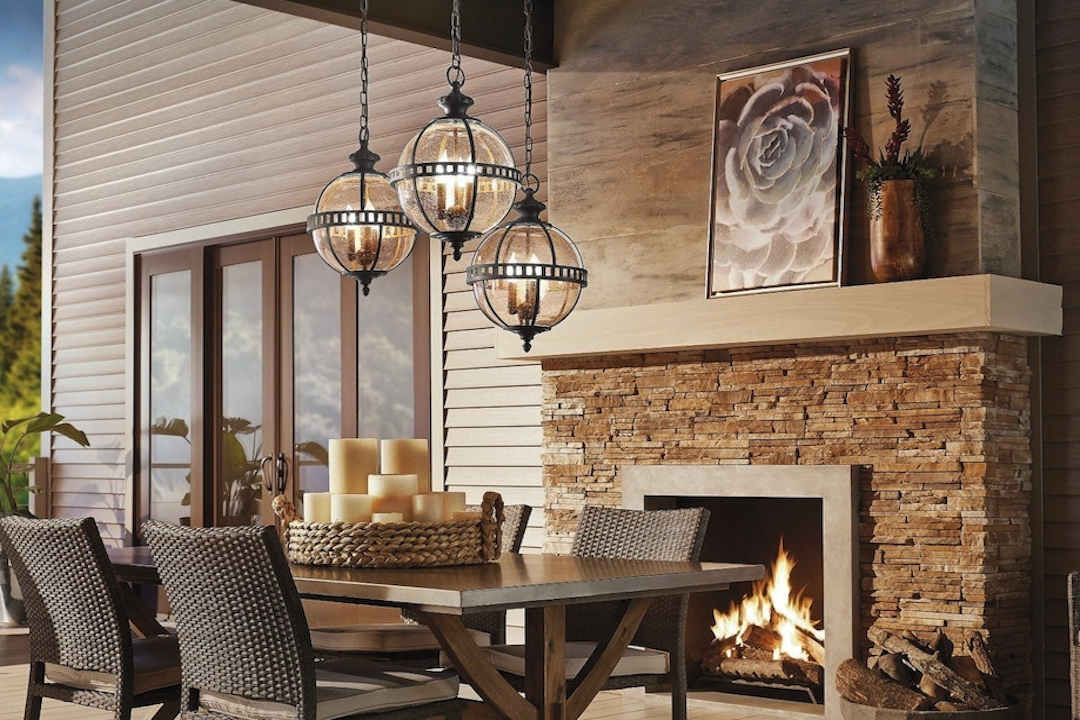
When an outdoor space features strong architectural hardscapes like stone walls, concrete patios, or metal pergolas, a chandelier with corresponding material textures or geometric patterns can reinforce the design narrative. The chandelier might serve as a jewel against a backdrop of carefully crafted stone, much like a precious pendant on a sturdy chain.
Small Spaces and Intimate Corners
For smaller patios or secluded corners, a miniature chandelier or a cluster of smaller pendant-style outdoor lights can add charm and define the space without overwhelming it. Proportion is crucial here, preventing the fixture from appearing too large for its environment.
Advanced Features and Maintenance
Modern outdoor chandeliers incorporate technologies that enhance their functionality, energy efficiency, and user convenience. Understanding these features and committing to regular maintenance prolongs the fixture’s life and sustains its aesthetic appeal.
Energy Efficiency and Smart Controls
The integration of advanced technology offers significant benefits.
LED Technology
Light Emitting Diodes (LEDs) are now standard in many outdoor lighting fixtures due to their high energy efficiency, long lifespan, and durability. LEDs consume significantly less power than traditional incandescent or halogen bulbs, reducing electricity costs and environmental impact. They also produce less heat, which can be beneficial in outdoor settings. Choose fixtures with integrated LED modules or those compatible with outdoor-rated LED bulbs.
Dimmable Capabilities
Dimmable chandeliers provide flexibility in setting the ambiance, allowing homeowners to adjust light levels for different activities or moods. This can range from bright illumination for social gatherings to a soft glow for relaxation. Ensure both the fixture and the control system are compatible with dimming.
Smart Home Integration
Many contemporary outdoor lighting systems can be integrated into smart home platforms. This allows for remote control via smartphones or voice commands, scheduling on/off times, and even creating lighting scenes. Such integration offers convenience and can enhance security. Picture the chandelier as a responsive element in a digital orchestra, callable to action with a simple command.
Maintenance and Longevity
Regular upkeep is essential to maintain the appearance and functionality of outdoor chandeliers. Neglect can lead to premature degradation and safety hazards.
Routine Cleaning Practices
Dust, pollen, debris, and environmental deposits can accumulate on outdoor light fixtures. Regular cleaning with a mild soap solution and a soft cloth or brush is recommended. Avoid abrasive cleaners or harsh chemicals that can damage finishes. For intricate designs, a gentle spray with a hose followed by air drying can be effective.
Inspection for Wear and Tear
Periodically inspect the chandelier for signs of wear and tear.
- Wiring and Connections: Check for frayed wires, exposed insulation, or rusted connections.
- Fixture Integrity: Look for cracks, chips, or bending in arms or decorative elements.
- Bulb Sockets: Ensure sockets are corrosion-free and bulbs are securely seated.
- Mounting Hardware: Verify that the mounting hardware is secure and free from rust or looseness.
Addressing these issues promptly can prevent small problems from escalating into larger, more costly repairs.
Seasonal Preparations
In regions with extreme weather conditions, specific seasonal preparations may be necessary. In areas prone to heavy snow or hurricanes, carefully covering or temporarily removing delicate fixtures can prevent damage. During prolonged periods of disuse, ensuring the power supply is off can conserve energy and prevent accidental activation.
By carefully considering historical context, design principles, functional requirements, aesthetic integration, and maintenance protocols, readers can effectively select and implement outdoor chandelier lighting. This approach transforms outdoor spaces into refined and functional extensions of the home.