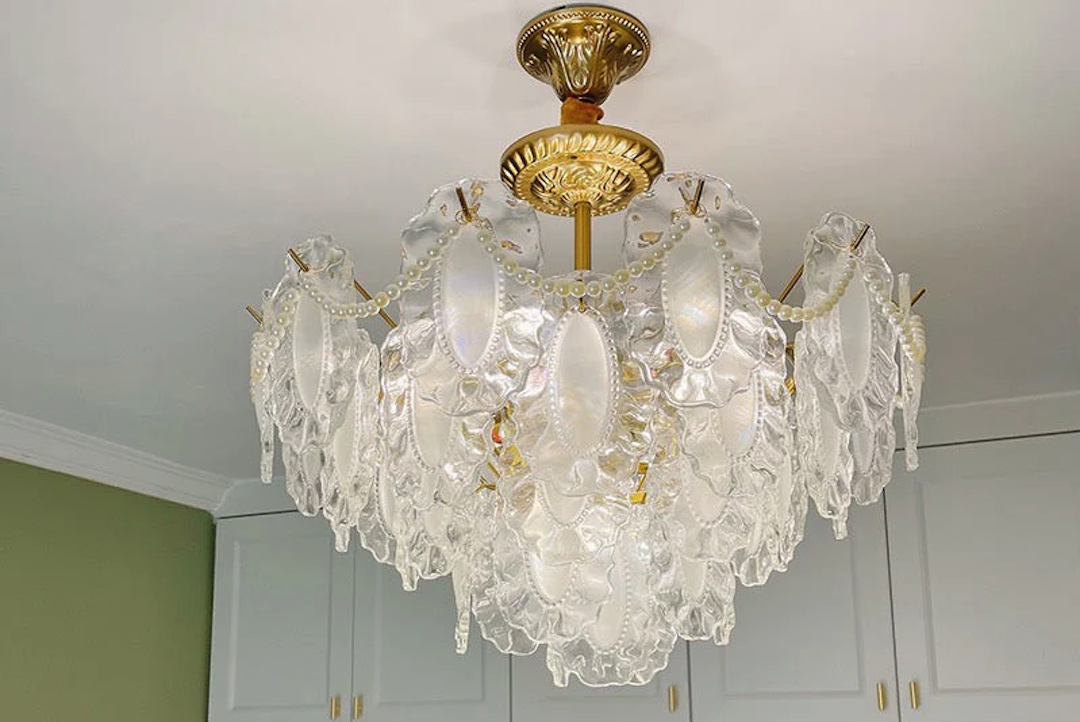
If you’re drawn to the idea of a French vintage pearl cream chandelier for your home, you’re likely after a touch of timeless elegance and a unique focal point. This isn’t just any light fixture; it’s a statement piece that can transform a room’s atmosphere. The appeal lies in its specific aesthetic – the soft, subtle sheen of the pearls, combined with the often intricate, antique detailing of the metalwork, all finished in a warm, creamy hue. It suggests a sophisticated, uncluttered, yet luxurious feel.
Understanding the “French Vintage” Aspect
When we talk about “French vintage” in the context of a chandelier Vopdesign, it signals a particular style and era. It’s not about simply being old; it embodies a design sensibility rooted in French decorative arts, often from the late 19th and early to mid-20th centuries. This period saw a flourishing of ornate, yet refined, interior design.
Tracing the Design Origins
- Belle Époque Influence: Many pearl cream chandeliers echo the opulence of the Belle Époque (roughly 1871-1914). Think of the grand interiors of Parisian apartments and chateaux during this time. Light was essential for these spaces, and chandeliers were designed to be both functional and decorative works of art.
- Art Nouveau Touches: You might find subtle influences from Art Nouveau, with its organic lines and flowing forms, though these tend to be more restrained in pearl cream designs compared to bolder Art Nouveau pieces. The focus remains on the delicate shimmer of the pearls.
- The Rise of Material Combinations: Designers of the era experimented with combining materials. Pearls, often faux but beautifully rendered, were paired with metals like brass, bronze, and sometimes gilded finishes to create a richer, more layered look.
Distinguishing True Vintage from Reproductions
- Original Patina: True vintage pieces will often show signs of age. This isn’t damage, but rather a developed patina on the metalwork, a slight subtle variation in the pearl finish, or even very minor chips that speak to its history. The weight and feel of the materials also differ significantly.
- Craftsmanship Details: Look for the quality of the soldering, the way the pearls are affixed, and the overall construction. Older pieces often exhibit a level of hand-craftsmanship that is harder to replicate.
- Identifying Reproduction Clues: Newer chandeliers, while aiming for a vintage look, might use lighter materials, more uniform finishes, and different fastening methods. Sometimes adhesives are more prevalent than traditional joinery.
The Allure of Pearl Cream
The “pearl cream” color is key to this chandelier’s unique charm. It’s a departure from the stark white or the dramatic dark finishes. It offers a softness that can complement a wide range of décor styles without demanding too much attention.
Why Pearl Cream Works So Well
- Subtle Luster: Unlike highly polished metal or brilliant crystal, pearls offer a more diffused, elegant sheen. This subtler glow is inviting and contributes to a feeling of warmth and sophistication.
- Versatile Neutrality: Cream is a highly adaptable neutral. It pairs beautifully with warmer tones like deep reds, ochres, and golds, but also provides a lovely contrast to cooler palettes like blues and grays.
- A Touch of Femininity (Without Being Overpowering): The pearlescent element naturally lends a delicate, perhaps slightly feminine, quality. However, when combined with more robust metalwork and a classic chandelier silhouette, this softness is balanced perfectly, avoiding an overly sweet or overtly feminine impression.
Types of “Pearls” in Vintage Chandeliers
- Glass Pearls: Many older chandeliers utilize glass beads with a pearlescent coating. These can vary in size and finish, from deeply lustrous to a more muted sheen.
- Molded Resin/Plastic (Later Era Vintage): In some later vintage pieces (think mid-20th century), you might find molded pearlescent elements made from early plastics or resins. These are generally less valuable than glass but can still contribute to the overall aesthetic.
- Actual Mother-of-Pearl (Rare): True vintage chandeliers incorporating actual mother-of-pearl are rarer and command a higher price. The iridescent quality is unmistakable.
Where to Place Your Pearl Cream Chandelier
The placement of a chandelier like this is crucial to harnessing its full impact. It’s not just about illumination; it’s about defining spaces and setting moods.
Living Spaces: Creating Ambiance
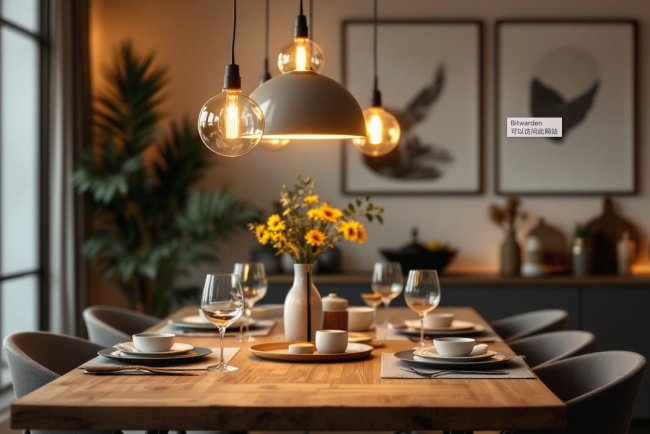
- Over a Dining Table: This is a classic, impactful placement. The chandelier becomes the centerpiece of your dining experience, casting a warm, inviting glow over meals and conversations. The pearl cream finish won’t be too overpowering, allowing the food and company to remain the focus, while still adding a layer of sophistication.
- In the Living Room: Hung in a central location or over a seating area (like a coffee table or a conversation pit), it can elevate the room’s décor. It adds a touch of glamour without being ostentatious, perfect for creating a relaxed yet chic atmosphere.
- Entryway/Foyer: Making an immediate statement as guests arrive is always a good idea. A pearl cream chandelier in the entryway sets a welcoming and elegant tone for your entire home.
More Intimate Settings: Adding Softness
- Bedroom: Imagine the soft glow of a pearl cream chandelier in a master bedroom. It can create a serene, luxurious retreat. Consider a dimmer switch to adjust the mood for winding down.
- Powder Room/Guest Bathroom: For a touch of unexpected luxury, a smaller pearl cream chandelier can transform a powder room or a guest bathroom into a spa-like sanctuary.
- Home Office: If your home office needs a touch of refinement, a carefully chosen pearl cream chandelier can make the space feel more inspiring and less utilitarian.
Beyond the Obvious: Creative Placements
- Walk-in Closet: If you have a generously sized walk-in closet, a chandelier can make it feel like a boutique dressing room.
- Nook or Reading Corner: In a spacious room, a chandelier can visually anchor a dedicated reading nook, making it feel like a special, curated space.
Integrating with Your Existing Décor
A French vintage pearl cream chandelier isn’t meant to exist in a vacuum. Its success depends on how well it dialogues with the rest of your furnishings and color scheme.
Harmonizing with Furniture Styles
- Traditional/Classic: This is its natural home. It will blend seamlessly with polished wood furniture, upholstered pieces in rich fabrics, and classic decorative accents.
- Transitional: The beauty of this chandelier is its ability to bridge styles. It can add a softened, elegant touch to more modern furniture, preventing a room from feeling too stark or cold.
- French Country/Shabby Chic: The pearl cream finish and vintage aesthetic align beautifully with the relaxed elegance of French country and shabby chic styles. It complements distressed wood, natural linens, and floral patterns.
- Modern/Eclectic: With careful consideration, it can even work in a more modern setting. Pair it with minimalist furniture or add it as a surprising element in an eclectic mix to introduce a touch of vintage warmth and character.
Considering Color Palettes
- Warm Neutrals: Golds, beiges, creams, and soft browns are natural companions. The chandelier will blend in beautifully, adding subtle sparkle.
- Cool Tones: Blues, grays, and even soft greens can be dramatically enhanced by the warm undertones of the pearl cream. It acts as a balancing element.
- Jewel Tones: Rich emerald greens, deep sapphires, and burgundies can create a luxurious, dramatic contrast. The pearl cream will soften the intensity.
- Pastels: Soft pinks, lavenders, and mint greens will amplify the delicate, romantic feel.
Maintenance and Care for Vintage Pieces
Owning a vintage chandelier comes with the responsibility of preserving its beauty. While they are often durable, they require a gentler approach than modern fixtures.
Cleaning the Pearls
- Gentle Dusting: For regular upkeep, a soft, dry microfiber cloth is your best friend. Gently wipe down each pearl to remove dust.
- Damp Cloth (Subtly): If there’s any stubborn grime, a slightly damp (not wet) cloth can be used. Always use distilled water to avoid mineral spots. Wipe dry immediately afterward.
- Avoid Harsh Chemicals: Never use window cleaners, ammonia-based products, or abrasive cleaners. These can damage the pearlescent coating or the metal.
- Test in an Inconspicuous Area: If you’re unsure about a cleaning product, test it on a single pearl that’s not easily visible.
Caring for the Metalwork
- Patina is Character: Remember, the patina on vintage metal is often part of its charm. Resist the urge to polish it to a blinding shine unless the original finish was intended to be that way.
- Gentle Cleaning: Similar to the pearls, a soft dry cloth is best for most metal surfaces. For slightly tarnished areas, a specialized metal polish designed for antique brass or bronze (depending on your fixture) can be used very sparingly and with care.
- Professional Restoration: For significant issues like rust or extensive damage to the metal, consult a lighting restoration specialist.
Electrical Safety Considerations
- Professional Inspection: If your vintage chandelier is being rewired or installed for the first time, it’s highly recommended to have it inspected by a qualified electrician. They can ensure all wiring is safe and up to current codes.
- Bulb Wattage: Be mindful of the recommended bulb wattage. Overloading with high-wattage bulbs can generate excessive heat and potentially damage the fixture or pose a safety risk. Opt for LED equivalents where possible, which produce less heat.
- Delicate Connections: Vintage fixtures may have more delicate electrical connections. Handle wiring and bulb changes with extra care.