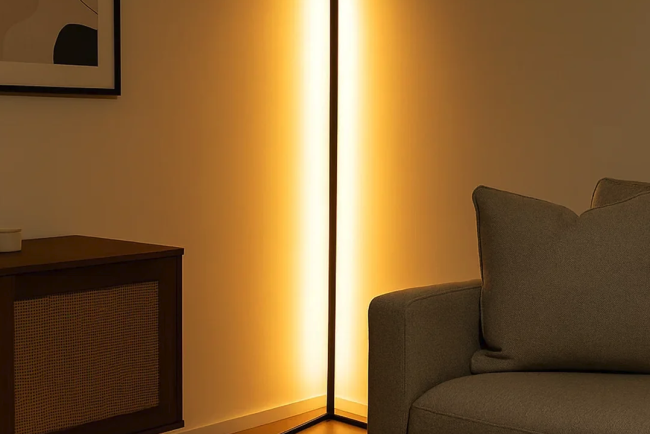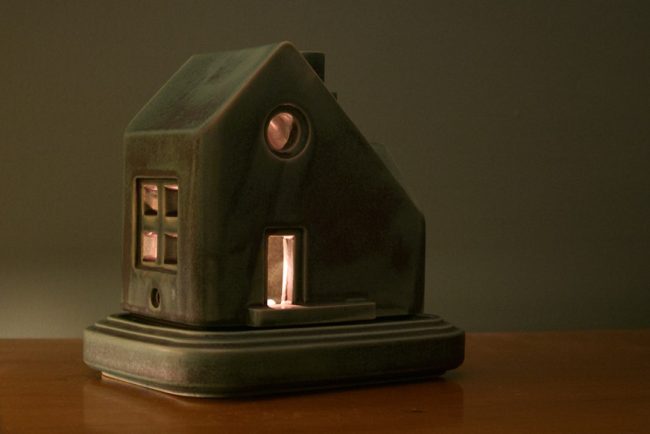
The “Enhance Your Bedroom Ambiance with Dimmable Silicone Night Lamp” is a product category encompassing a variety of portable, low-power lighting devices primarily designed for intimate and personal spaces. These lamps typically feature a soft, pliable silicone exterior, integrated LED light sources, and capabilities for adjusting light output. Their design prioritizes tactile comfort, user safety, and customizable illumination, making them a common feature in modern bedroom environments.
The construction of dimmable silicone night lamps Lucksnail is central to their functionality and aesthetic appeal. Understanding the materials and design principles involved provides insight into their widespread adoption.
Silicone as a Primary Material
The defining characteristic of these lamps is their silicone housing. Silicone, a synthetic polymer made up of cross-linked siloxane repeating units, offers several advantageous properties for this application. Its primary benefits include:
- Softness and Tactility: Silicone’s inherent flexibility and smooth surface contribute to a pleasant tactile experience. This is particularly important for products often handled directly, especially in a relaxed setting like a bedroom. The material’s elasticity allows for various shapes and forms, from simple geometric designs to more intricate, often anthropomorphic or zoomorphic figures. This “give” in the material also makes them less prone to damage from accidental drops compared to rigid alternatives.
- Durability and Resilience: Silicone exhibits good resistance to tearing and abrasion. It is also largely unaffected by temperature fluctuations common in indoor environments, maintaining its structural integrity and flexibility. Unlike some plastics, silicone does not typically become brittle over time with exposure to ambient light or air.
- Safety and Non-Toxicity: Food-grade silicone, a common subtype used in these lamps, is inert, odourless, and hypoallergenic. This makes it suitable for use in proximity to individuals, including children, minimizing concerns about chemical off-gassing or allergic reactions. It is also generally free of BPA (Bisphenol A), phthalates, and lead, further enhancing its safety profile.
- Light Diffusion Properties: The translucent nature of silicone effectively diffuses light emitted from the internal LEDs. This softens the emitted light, reducing glare and creating a more homogeneous glow. This diffusion is crucial for creating the “ambient” quality these lamps aim to achieve, preventing harsh spots of light.
- Ease of Cleaning: Silicone is generally hydrophobic and non-porous, making it resistant to stains and easy to clean with a damp cloth. This contributes to maintaining the hygienic aspect of a personal item.
Internal Components and Structure
Beneath the silicone exterior, a typical dimmable night lamp houses several key components:
- LED Light Source: Light Emitting Diodes (LEDs) are the standard illumination technology. LEDs are chosen for their energy efficiency, long lifespan, and small form factor. They produce minimal heat, which is important given the enclosed silicone housing. The colour temperature of the LEDs can vary, ranging from warm white (2700K-3000K) to cool white (5000K-6000K), or even incorporating RGB (Red, Green, Blue) LEDs for colour-changing capabilities.
- Battery Power: Most silicone night lamps are battery-powered, employing rechargeable lithium-ion batteries. This provides portability and eliminates the need for a constant power cord, increasing placement flexibility. Battery capacities vary, influencing operation time between charges. USB ports (Type-C increasingly common) facilitate charging.
- Control Circuitry: This integrated circuit manages power distribution, dimming functions, and any additional features like colour changes or timer settings. Modern lamps often incorporate touch sensors or pressure-sensitive switches for intuitive control, leveraging the flexibility of the silicone outer shell.
- Optical Diffuser (Internal): While the silicone itself diffuses light, some designs may include an additional internal diffuser, often an opaque plastic, to further refine light distribution and prevent the visibility of individual LED dots.
Functionality and User Interaction
The utility of dimmable silicone night lamps extends beyond simple illumination, incorporating features designed to enhance user experience and adaptation to specific needs.
Dimmability and Light Adjustment
The “dimmable” aspect is a core feature. This allows users to precisely control the light output, offering a spectrum from a faint glow to a brighter, functional light.
- Stepless Dimming: Some models offer continuous dimming, allowing for granular control over brightness levels by pressing and holding a sensor or a physical button. This offers the greatest flexibility in tailoring light intensity.
- Stepped Dimming: Other lamps provide predefined brightness levels (e.g., low, medium, high). While offering less precision, this can be simpler for users who prefer fewer choices.
- Memory Function: Advanced models may incorporate a memory function, where the lamp remembers the last brightness setting when reactivated. This eliminates the need to re-adjust each time it is turned on.
Colour Temperature and RGB Options
Beyond simple white light, many lamps offer variations in colour.
- Warm White vs. Cool White: Users can often choose between a warmer, more yellow-toned light (conducive to relaxation) and a cooler, bluer-toned light (potentially more stimulating). Some lamps offer both, allowing users to switch between them.
- RGB Colour Changing: Lamps with RGB LEDs allow for a full spectrum of colours. This feature is often controlled by tapping the lamp or using a dedicated button. These colours can be used for decorative purposes, mood setting, or as a visual signal. Some models may offer modes for cycling through colours automatically.
Control Mechanisms
Interaction with these lamps is designed for simplicity and intuitiveness.
- Touch Activation: Many lamps turn on/off, dim, or change colours with a simple tap or gesture on the silicone surface. Capacitive touch sensors are often integrated discreetly.
- Squeeze/Pressure Activation: The pliable nature of silicone allows for pressure-sensitive switches, where squeezing the lamp can trigger functions.
- Physical Buttons: Some lamps include small, discreet push buttons, particularly for more complex functions or for users who prefer a tactile button.
- Remote Control/App Control: Higher-end or “smart” versions may incorporate Bluetooth or Wi-Fi connectivity, allowing control via a dedicated remote or a smartphone application. This offers expanded functionality, such as timed schedules or integration with smart home ecosystems.
Applications and Benefits
The widespread adoption of dimmable silicone night lamps across various demographics and settings underscores their versatility and perceived benefits.
Bedroom Illumination
The primary application remains the bedroom, serving multiple functions:
- Ambient Lighting: They provide a soft, non-intrusive light source that avoids harsh glare, aiding in relaxation before sleep. This contrasts with traditional overhead lighting, which can be overly bright.
- Navigation: A low-level light allows for safe movement around the bedroom during the night without fully awakening an individual. This is particularly useful for trips to the bathroom or attending to infants.
- Reading Light: When dimmed to a moderate level, some larger lamps can provide sufficient localized light for reading in bed without disturbing a partner.
- Nighttime Comfort for Children: Many designs, particularly those shaped as animals or cartoon characters, appeal to children. The soft glow can alleviate fear of darkness, and the comforting tactile quality of silicone can be reassuring. The absence of heat from LEDs also reduces burn risk.
Other Indoor Uses
Their portability and flexible illumination extend their utility beyond the bedroom:
- Nursery/Infant Care: Ideal for feeding or changing infants at night, providing enough light without disrupting the child’s sleep cycle or stimulating them too much. The gentle light is less disruptive than full room lighting.
- Living Room Accent: As a decorative item, particularly with RGB colour options, they can add a subtle splash of colour or an accent point to a living area.
- Portable Task Lighting: While not designed for intensive illumination, they can provide temporary light for tasks like finding items in a cupboard or navigating a dark hallway.
- Camping/Outdoor (Sheltered) Use: Their battery-powered nature makes them suitable for use inside tents or sheltered outdoor spaces where a light source is needed without access to mains power.
Psychological and Physiological Benefits
The carefully designed light output of these lamps can have subtle, yet impactful, benefits:
- Circadian Rhythm Support: Employing warm, dim light in the evening helps to avoid the suppression of melatonin, a hormone critical for regulating sleep. Exposure to bright, blue-spectrum light before bed can disrupt this natural process. Dimmable options allow users to minimize this disruption.
- Anxiety Reduction: A softly lit environment can contribute to a sense of calm and security, potentially reducing anxiety for some individuals, particularly children. The absence of sharp shadows and glares promotes a more peaceful atmosphere.
- Improved Sleep Hygiene: By encouraging a transition from bright, stimulating light to dim, relaxing light, these lamps support good “sleep hygiene” practices, where the environment is intentionally prepared for rest.
Power Management and Battery Life
The practical operation of these devices is heavily dependent on their power source and how efficiently they use energy.
Battery Type and Capacity
- Lithium-ion (Li-ion) Batteries: These are the standard for most modern rechargeable devices, offering a good balance of energy density (power stored per unit of weight) and a relatively long cycle life (number of charge/discharge cycles before capacity degrades significantly).
- Capacity Measurement: Battery capacity is typically measured in milliampere-hours (mAh). A higher mAh rating generally indicates a longer operational time between charges.
- Impact of Brightness Setting: Battery life is directly proportional to the brightness level selected. Operating the lamp at its lowest dimming setting will significantly extend battery life compared to continuous operation at maximum brightness. Similarly, utilizing colour-changing modes, particularly those that require constant LED activation, can consume more power.
Charging Protocols and Safety
- USB Charging: Most lamps universally adopt USB charging, often via a Micro-USB or USB-C port. This offers convenience due to widespread compatibility with chargers for other electronic devices.
- Overcharge Protection: Quality lamps incorporate internal circuitry to prevent overcharging, which can degrade battery life and pose a safety risk. This circuitry often includes automatic shut-off when the battery is full.
- Low Voltage Cut-off: Similarly, protection against deep discharge (allowing the battery to drain completely) is important. Such circuitry will power off the device before the battery voltage drops to a level that could cause irreversible damage.
- Charging Indicators: Many lamps include an LED indicator that signals charging status (e.g., red when charging, green/off when fully charged).
Maintenance and Longevity
Proper care for a dimmable silicone night lamp ensures its continued functionality and aesthetic appeal over time.
Cleaning Procedures
- Surface Cleaning: Due to the non-porous nature of silicone, most dirt and dust can be wiped away with a damp, soft cloth. For stubborn marks, a mild soap solution can be used, ensuring to rinse thoroughly and dry completely afterwards.
- Avoid Harsh Chemicals: Abrasive cleaners, solvents (like alcohol or acetone), or strong detergents should be avoided as they can degrade the silicone material, leading to discolouration, stickiness, or loss of flexibility.
- Internal Cleaning: As the electronic components are sealed within the silicone, internal cleaning by the user is generally neither recommended nor possible.
Battery Care
- Regular Charging: For rechargeable batteries, it is often advisable to avoid letting them completely discharge repeatedly. Partial charges are generally less stressful on lithium-ion batteries.
- Storage: If the lamp will be stored for an extended period, it’s recommended to store it with a partial charge (e.g., 50-70%) rather than fully charged or fully depleted. Extreme temperatures during storage should also be avoided, as they can accelerate battery degradation.
General Usage Guidelines
- Avoid Sharp Objects: While durable, silicone can be punctured or torn by sharp objects. Preventing contact with such items extends the life of the housing.
- Temperature Extremes: Although silicone is temperature-resistant, prolonged exposure to extreme heat (e.g., direct sunlight for hours, placement near a heater) or extreme cold can affect material integrity and battery performance.
- Water Exposure: Unless explicitly rated as waterproof (IP rating), these lamps are generally not designed for immersion in water. While the silicone may offer some splash resistance, internal electronics are vulnerable.
In conclusion, the dimmable silicone night lamp represents a convergence of material science, LED technology, and user-centric design. Its soft, safe materials, coupled with customizable illumination, positions it as a versatile and beneficial addition to personal spaces, particularly for enhancing bedroom ambiance and supporting improved sleep hygiene. Understanding its design, functionality, and maintenance requirements allows for informed selection and prolonged enjoyment of the device.