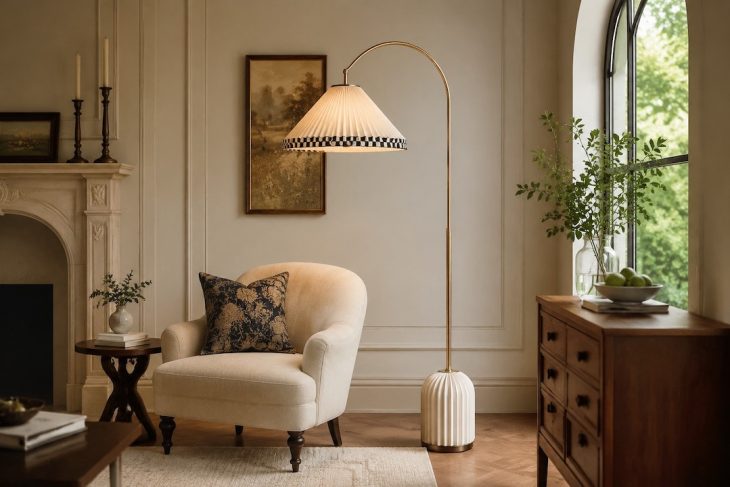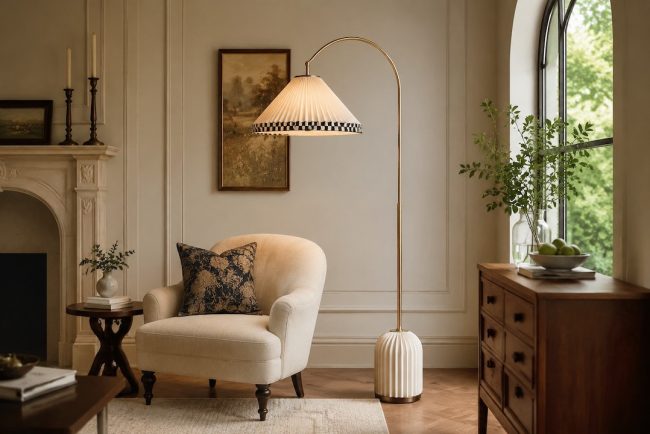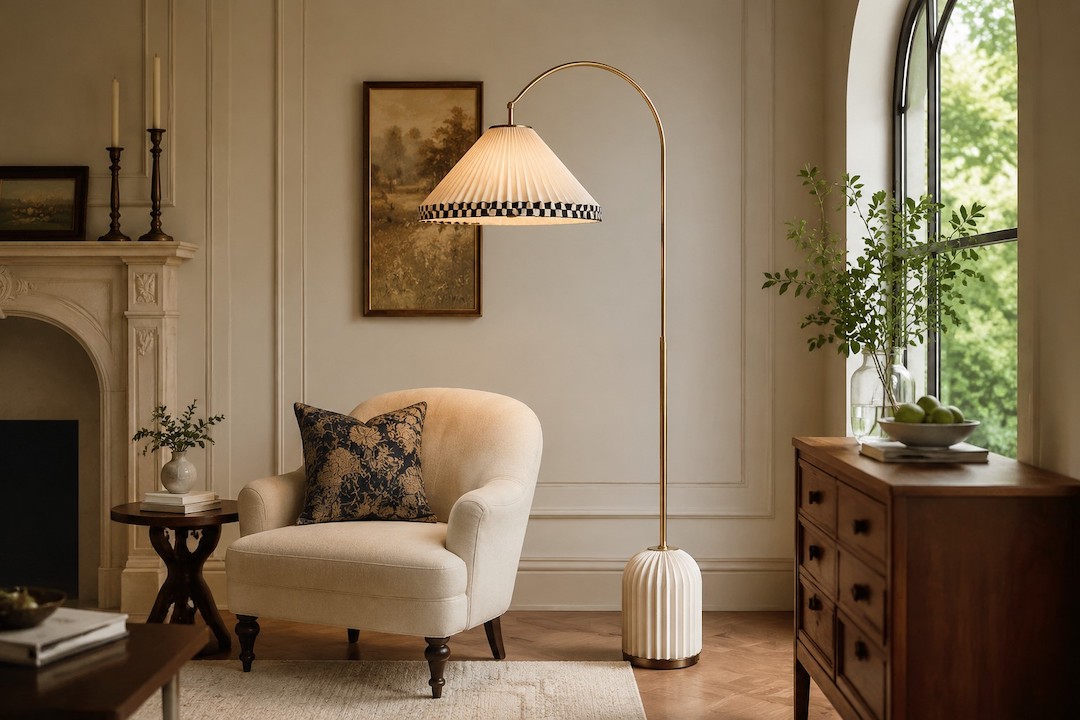
So, you’re looking at the “Elegant Pleated Silk Arc Floor Lamp with Checkerboard Shade” and wondering if it’s worth bringing into your space. That’s a fair question. To cut to the chase, this lamp isn’t just a light source; it’s designed to be a statement piece, blending classic elegance with a modern, graphic touch. Think of it as functional art for your living room. It aims to provide a soft, ambient glow while also adding a distinct visual element that can elevate your decor. The appeal lies in its unique combination of materials and design, aiming for a sophisticated yet approachable vibe.
Let’s be honest, when you’re considering a piece like this, the look is a huge part of the equation. This lamp Simiglighting isn’t trying to blend into the background. It’s designed to be noticed. The “elegant pleated silk” is the star here, offering a texture and softness that’s hard to replicate. Then you have the “checkerboard shade,” which injects a contemporary, almost playful contrast. It’s an interesting juxtaposition that can work in a surprising number of settings.
The Silk Shade: A Study in Texture and Light Diffusion
The pleated silk shade is where a lot of the magic happens. Silk, in general, has a natural sheen that catches the light beautifully. When you add pleats, you’re not just creating a surface; you’re creating depth and dimension.
- Soft, Diffused Light: The silk material itself is excellent at diffusing light. Instead of a harsh glare, you get a soft, warm glow that’s perfect for creating a relaxed atmosphere. This makes it ideal for living rooms, reading nooks, or even bedrooms where you want a gentle illumination.
- The Pleat Factor: The pleats are not just for show. They create small shadows and highlights within the shade, adding to the diffused effect. This means the light isn’t just a flat pool; it has a subtle, almost dappled quality. This adds a layer of visual interest even when the lamp is off.
- Handcrafted Feel: Often, silk shades, especially those with intricate pleating, are associated with a more artisanal feel. While manufacturing processes vary, the visual impression is one of careful craftsmanship. This contributes to the “elegant” aspect of the lamp.
- Color and Opacity: The color of the silk will significantly impact the light temperature. A cream or off-white silk will produce a warmer, more traditional light, while a starker white might lean a bit cooler. The opacity also plays a role. While silk is generally translucent, thicker weaves or backing materials can affect how much light passes through.
The Checkerboard Shade: A Modern Graphic Statement
This is where the lamp moves from classic to contemporary. The checkerboard pattern is a bold choice that immediately adds a graphic punch.
- Contrast and Balance: The checkerboard provides a strong visual contrast to the soft, flowing silk. This contrast is key to the lamp’s overall aesthetic. It prevents the design from becoming too demure or dated.
- Versatility (Surprisingly): While you might initially think checkerboard is limited to very specific styles, it can actually be quite versatile. It can ground a more eclectic space, add a touch of modern edge to a traditional room, or be the focal point in a minimalist setting. The key is the scale of the checks and the colors used.
- Color Palette: The color of the checkerboard is crucial. Classic black and white is timeless and graphic. However, you might find variations in shades of grey, or even more daring color combinations. The color choices will heavily influence how the lamp integrates with your existing decor.
- Visual Interest When Off: The checkerboard shade is a design element in itself. Even when the lamp is off, the pattern provides visual interest and can be a talking point. It adds a layer of personality to the room.
The Arc Design: Form Meets Function
The “arc” in the name is not just a descriptor; it’s a defining feature of the lamp’s functionality and its visual impact. Arc lamps are designed to reach over furniture, providing targeted light without needing to be directly behind it.
Reaching Over Your Space
The curve of the arc is engineered to extend the reach of the light. This is particularly useful in living rooms where you might have a sofa or armchair positioned away from a wall outlet.
- Placement Flexibility: The arc allows you to position the light source where you need it, rather than being limited by where the power cord can reach. This means you can illuminate a reading chair without the lamp base being in the way of foot traffic.
- Creating Zones: An arc lamp can help define different functional zones within a larger room. For example, you can use it to highlight a reading corner, creating a cozy, well-lit area within an open-plan space.
- Visual Height and Drama: The upward sweep of an arc lamp can add a sense of verticality and drama to a room. It draws the eye upwards, making the space feel more expansive and dynamic.
The Base: Stability and Style
The base of an arc lamp is critical for stability, given the cantilevered nature of the design. It needs to be substantial enough to prevent the lamp from tipping.
- Weight and Material: Look for a base made from sturdy materials like metal (often finished in brushed nickel, polished chrome, or matte black) or even a heavy marble or stone. The weight of the base is directly proportional to the stability of the lamp.
- Footprint: Consider the size of the base’s footprint. Some arc lamps have a relatively small footprint, which is great for saving floor space. Others might have a wider base for added stability, which you’ll need to account for in your room layout.
- Design Integration: The base is not just functional; it’s also a design element. It should complement the rest of the lamp and your existing decor. A sleek, minimalist base can enhance the modern feel, while a more decorative base might lean into a traditional aesthetic.
Practical Considerations: Bringing it Home
Beyond the aesthetics, there are practicalities to think about before you commit to purchasing this lamp. How will it fit into your daily life and your home environment?
Size and Scale: Does it Fit?
This is crucial. Arc lamps, by their nature, tend to be larger and take up more visual real estate than a standard floor lamp.
- Room Dimensions: Measure your room. Consider the ceiling height and the available floor space. An arc lamp with a long reach might overwhelm a small room. Conversely, a lamp with a shorter arc might not provide enough coverage in a larger space.
- Clearance: Think about how the arc will extend over your furniture. Ensure there’s enough clearance for the lamp to move without hitting anything. This is especially important if you have tall furniture or plan to move the lamp around frequently.
- Visual Weight: The lamp, with its silk shade and checkerboard pattern, has a certain visual weight. Consider how this will balance with the other elements in your room. A large, visually heavy lamp might dominate a room filled with delicate furniture.
Lighting Needs: Functionality First
While the lamp is beautiful, it needs to serve its primary purpose: providing light.
- Brightness (Lumens): Check the lamp’s specifications for its maximum lumen output and the type of bulb it takes. Is it bright enough for your intended use? For example, if it’s meant for reading, you’ll want a higher lumen output. If it’s purely for ambient mood lighting, lower is fine.
- Bulb Type and Wattage: Most modern lamps use LED bulbs, which are energy-efficient and long-lasting. Ensure the lamp is compatible with the type and wattage of bulbs you prefer. Some lamps also come with dimmers, which significantly increases their versatility.
- Light Direction: The arc design typically directs light downwards, making it suitable for task lighting over a sofa or chair. Consider if this light direction aligns with your needs.
Assembly and Installation: A Realistic Expectation
Even the most elegant pieces require some assembly.
- Complexity: How easy is it to put together? Look for reviews or product descriptions that mention assembly. Some arc lamps are straightforward, while others can be a bit more involved, often requiring two people.
- Tools Required: Do you need special tools? Most lamps come with the necessary hardware and basic tools.
- Wiring: Ensure the cord length is sufficient for your outlet placement. Some lamps have an in-line switch, while others might have a switch on the pole or base. Consider what’s most convenient for your setup.
Styling Your Space: Integrating the Lamp
Once you have the lamp, the fun part begins: figuring out how to make it a harmonious part of your decor. The checkerboard shade is a strong design element, so it requires some thoughtful placement.
Complementing the Checkerboard
The checkerboard pattern is bold. You have a few options for how to play with it.
- Embrace the Contrast: Pair the lamp with solid, bold colors. This allows the checkerboard to stand out as a deliberate design choice. Think deep blues, emerald greens, or rich burgundies.
- Lean into Neutrals: If you prefer a more understated look, use the lamp to introduce a graphic element into a room filled with neutrals. Creamy whites, grays, and beiges can provide a sophisticated backdrop for the checkerboard.
- Play with Other Patterns (Carefully): If you’re feeling adventurous, you can introduce other patterns, but do so with caution. Opt for patterns that are different in scale and style to avoid a clash. For example, a subtle pinstripe or a delicate floral might work, but avoid another bold geometric pattern.
- Monochromatic Scheme: If you have a lot of black and white in your decor, the checkerboard lamp can seamlessly integrate and enhance that theme.
The Silk Shade’s Contribution
The silk shade adds a layer of softness that balances the sharpness of the checkerboard.
- Adding Texture: The pleats in the silk add a tactile quality. Consider pairing it with other textured elements in your room, such as velvet cushions, a chunky knit throw, or a woven rug, to create a layered and inviting atmosphere.
- Light Interaction: Think about how the silk will interact with the light in your room throughout the day. The way it diffuses light will contribute to the overall mood and ambiance.
Placement Strategies
Where you put the lamp is as important as what you pair it with.
- Beside a Sofa or Armchair: This is a classic placement for arc lamps, providing task lighting for reading or general illumination for the seating area.
- Behind a Tall Plant: An arc lamp can extend over a large potted plant, highlighting its form and creating a dramatic effect.
- Near a Console Table or Sideboard: It can act as an accent light, drawing attention to decorative objects on the surface.
- In a Corner: While often seen as a functional piece, a well-placed arc lamp can also serve as a sculptural element in a corner, adding height and visual interest to an otherwise empty space.
Maintenance and Longevity: Keeping it Looking Good
Like any piece of furniture or decor, proper care will ensure your lamp remains a stylish addition to your home for years to come.
Cleaning the Silk Shade
Silk is delicate, so be gentle.
- Dusting: Regular dusting is key. Use a soft feather duster or a microfiber cloth. Dust in the direction of the pleats to avoid snagging or distorting the fabric.
- Spot Cleaning: For minor marks, a very slightly damp cloth (almost dry) can be used, but test it on an inconspicuous area first. Avoid rubbing aggressively.
- Professional Cleaning: For significant stains or if you’re unsure, professional drapery or upholstery cleaning is the safest option. Never attempt to wash a silk shade in water.
Caring for the Base and Pole
The metal or other material of the base and pole will require different care.
- Metal Finishes: For brushed nickel, chrome, or matte finishes, a soft, dry cloth is usually sufficient. For fingerprints or smudges, a damp cloth followed by a dry polish will work. Avoid abrasive cleaners that can scratch the finish.
- Wooden Bases: If your lamp has a wooden base, use a wood cleaner and polish appropriate for the type of wood finish.
- Marble or Stone Bases: Clean with a mild, pH-neutral cleaner and a soft cloth. Avoid acidic cleaners, as they can etch the stone.
Bulb Replacement
- Safety First: Always unplug the lamp before replacing a bulb.
- Access: Ensure you can comfortably reach the bulb socket. The arc design might require a step stool.
- Bulb Compatibility: Double-check the recommended bulb type and wattage to avoid damaging the lamp or creating a fire hazard.
In essence, the Elegant Pleated Silk Arc Floor Lamp with Checkerboard Shade is a piece that marries traditional elegance with contemporary flair. It’s designed to be a focal point, offering soft, diffused light while making a strong visual statement. Its arc design provides practical reach, and the combination of silk and checkerboard offers a unique textural and graphic appeal. By considering its size, lighting capabilities, and how you’ll style and maintain it, you can make a well-informed decision about whether this striking lamp is the right fit to illuminate and enhance your living space.