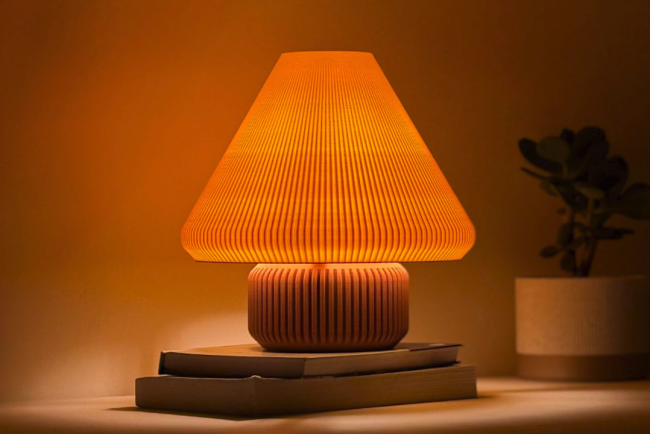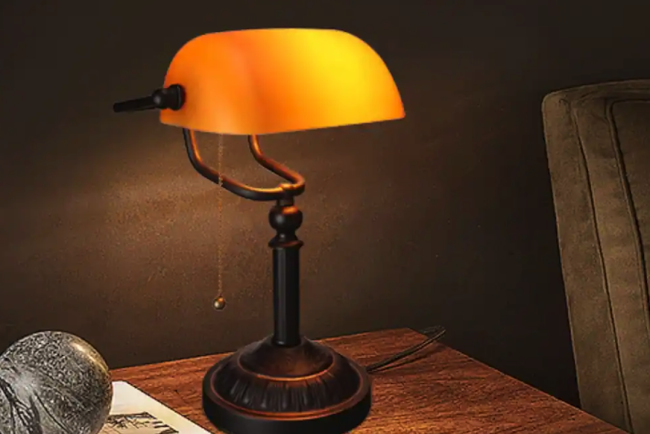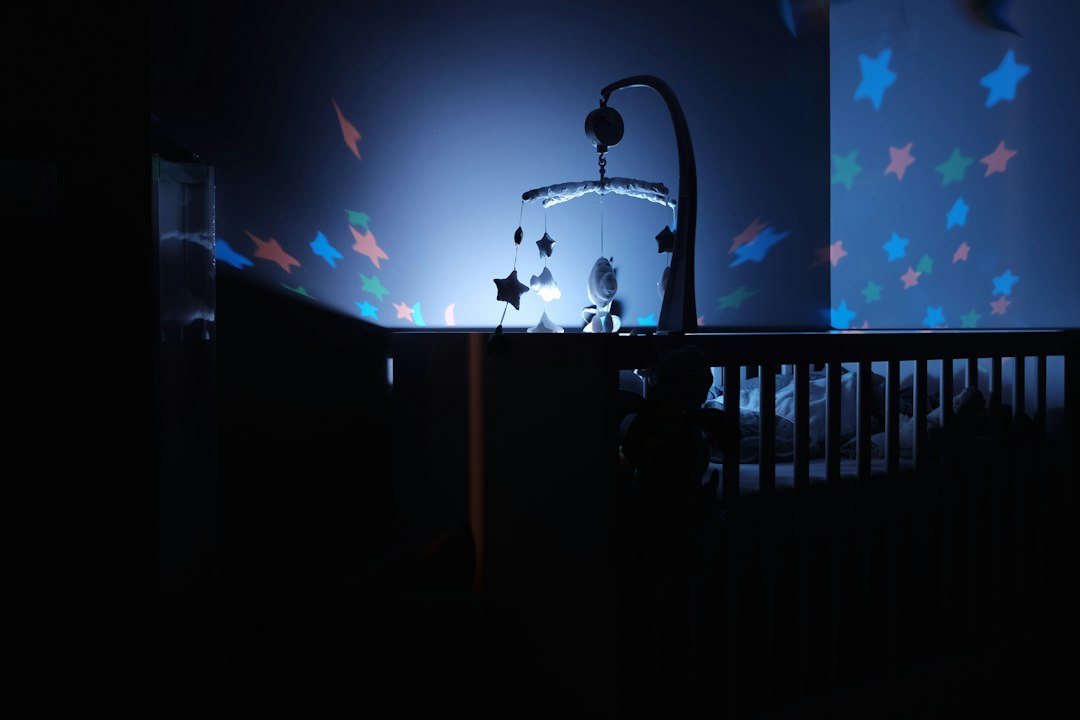
Lighting a nursery can be a bit of a balancing act. You want it to be warm and inviting, but also practical for those late-night diaper changes and early morning feeds. Vintage-inspired, energy-efficient cabinet lighting can be a fantastic solution, offering that charming aesthetic without racking up your electricity bill or creating harsh glares. It’s all about creating a soft, ambient glow that feels cozy and nurturing for your little one.
Why Vintage-Inspired Lighting for a Nursery?
When we talk about “vintage-inspired,” we’re not necessarily talking about dusty antiques. Instead, it’s about drawing on design elements from past eras – think classic silhouettes, warm metals, frosted glass, or even a touch of industrial chic. For a nursery, this style can bring a sense of timelessness and comfort. It steers clear of overly modern, stark designs that can feel a bit cold, and instead leans into a more gentle, comforting vibe.
The beauty of vintage aesthetics is their ability to evoke nostalgia and a sense of calm. In a nursery, this translates to an environment that feels safe and secure for your baby. Imagine a little reading nook illuminated by a soft, warm light from a cabinet-mounted fixture, or the gentle glow highlighting a collection of cherished baby books. It’s about creating a space that feels lived-in and loved, rather than just perfectly decorated.
The Charm of Classic Designs
Vintage-inspired designs often feature details like antique brass finishes, seeded glass, or even small Edison-style LED bulbs. These elements can add character and depth to a nursery without being overwhelming. They can complement a variety of nursery themes, from whimsical woodland to classic storybook, providing a subtle layer of sophistication and warmth. It’s a way to add personality beyond just paint and furniture.
Avoiding Harsh Modern Aesthetics
Many modern lighting fixtures can be quite bright and direct, which isn’t ideal for a baby’s developing eyes or for creating a serene sleep environment. Vintage-inspired options tend to favor softer diffusion and warmer color temperatures, naturally lending themselves to a more gentle illumination. This means less squinting for you during those bleary-eyed night feeds, and a more calming atmosphere for your baby as they drift off to sleep.
The Energy-Efficient Advantage
Let’s be honest, raising a baby comes with its own set of expenses. Saving a bit on the electricity bill is always a welcome bonus. That’s where energy-efficient lighting comes in. You might associate vintage with older, less efficient technology, but thankfully, modern advancements allow us to combine that classic look with cutting-edge energy savings.
The primary player here is LED technology. LEDs use significantly less electricity than traditional incandescent bulbs, and they last a whole lot longer. This means fewer bulb changes (a blessing when you’re sleep-deprived!) and a smaller carbon footprint, which is a nice bonus for the planet.
Understanding LED Technology
LEDs (Light Emitting Diodes) are incredibly versatile. They come in a wide range of color temperatures, from cool white to warm amber, allowing you to perfectly match the mood you’re aiming for. For a cozy nursery, you’ll generally want to lean towards warmer color temperatures, often labeled as “soft white” or “warm white” (around 2700K to 3000K). These mimic the comforting glow of incandescent bulbs without the heat or energy consumption.
Another perk of LEDs is their durability. They’re less likely to shatter if accidentally bumped, which is a consideration in any child’s room. Plus, they don’t produce much heat, making them safer for curious little hands that might reach for things.
Long-Term Cost Savings
While the initial cost of LED fixtures might sometimes be a little higher than traditional options, the long-term savings are significant. An LED bulb can last for tens of thousands of hours, compared to a few thousand for an incandescent. This means less money spent on replacement bulbs and noticeably lower electricity bills over the years. When you factor in multiple lights in a nursery that might be on for extended periods, those savings really start to add up.
Choosing the Right Cabinet Lighting Style
When it comes to cabinet lighting, you’ve got a few main types to consider, each with its own advantages for a nursery. Think about where you want the light to fall and what kind of aesthetic you’re aiming for.
Under-Cabinet Strip Lighting
This is a popular choice for its seamless look. LED strip lights can be tucked away neatly under shelves or cabinets, providing a soft, diffused glow downwards. For a vintage feel, look for strips that emit a warm white light, and consider pairing them with a dimmer switch to control the intensity. You can even find strip lights encased in subtly decorative channels that add a touch of antique charm. This works wonderfully over changing tables or a small desk area where you might need a bit more focused light for tasks, without it being glaring.
The beauty of strip lighting is its unobtrusive nature. It can highlight decorative items on a shelf, illuminate the contents of a cabinet, or simply provide ambient light that bounces off the counter or changing pad. Look for options that are easy to install, often with adhesive backing, though a more permanent solution might involve a small track for a cleaner finish.
Puck Lights
Puck lights are small, circular fixtures that can be surface-mounted or recessed. They’re great for adding accent lighting inside cabinets with glass doors, or to highlight specific display items on shelves. For a vintage vibe, search for puck lights with metal bezels in finishes like oil-rubbed bronze or antique brass. Some even come with a frosted or textured lens to further soften the light.
These are particularly useful for showcasing a collection of baby books, treasured toys, or even just making it easier to find those tiny baby socks in a drawer. The focused light can draw attention to specific areas, creating little pockets of warmth and interest within the room. Battery-operated versions offer flexibility in placement, but hardwired options provide a more consistent and reliable light source.
Mini Spotlights or Picture Lights
While typically used for artwork, smaller, vintage-inspired spotlights or picture lights can be creatively mounted above a specific cabinet or shelf. Imagine a miniature brass picture light illuminating a special collection of baby photos or a treasured keepsake box. These fixtures often have a more pronounced design aesthetic, making them a decorative element in themselves.
The key here is scale. You don’t want anything too large or overpowering. Look for options with adjustable heads so you can direct the light precisely where you need it. This can add a touch of sophistication and intentionality to your nursery lighting design, turning functional light into a design feature.
Practical Considerations for Nursery Lighting
Beyond aesthetics and energy efficiency, a nursery has some unique lighting needs. Safety, functionality, and creating the right atmosphere are paramount.
Dimmers are Your Best Friend
This cannot be stressed enough. A dimmer switch is absolutely essential in a nursery. You’ll need bright light for diaper changes or cleaning, but a very low, warm glow for middle-of-the-night feeds or for easing your baby back to sleep. Cabinet lighting, when paired with a dimmer, can provide this versatility beautifully. You can go from enough light to see clearly to a barely-there glow that won’t disrupt sleep cycles.
Consider smart dimmers that can be controlled via an app or voice command. This can be incredibly convenient when you’re holding a sleeping baby and can’t easily reach a wall switch. It allows for gradual dimming, which is much less jarring than a sudden on/off for a baby.
Warm Color Temperatures (2700K-3000K)
As mentioned earlier, stick to warm white (around 2700K) or soft white (around 3000K) color temperatures for all nursery lighting, including cabinet lights. Cooler, bluer lights (like 4000K or higher) can interfere with melatonin production and make it harder for your baby (and you!) to wind down. The goal is to mimic natural light at dusk, which promotes relaxation and sleep.
This warm glow also enhances the cozy, vintage feel. It makes wood tones look richer, fabrics feel softer, and creates an overall inviting ambiance. It’s the visual equivalent of a warm hug.
Avoiding Glare and Harsh Shadows
Cabinet lighting is excellent for this because it often provides indirect or diffused light. When installing, think about where the light will hit. You want to avoid any direct glare into your baby’s eyes, especially when they’re lying down in a crib or on a changing table. Positioning lights slightly recessed or with diffusers can help.
Under-cabinet lighting, for instance, naturally casts light downwards onto a surface rather than directly out into the room. This minimizes harsh shadows and creates a more even, gentle illumination. It’s about creating an overall soft wash of light rather than distinct bright spots.
Safety First: Low Voltage and Secure Installation
For any lighting near a baby, low-voltage options are a good idea, especially for strip lights or puck lights. Ensure all wiring is completely concealed and out of reach. If you’re not comfortable with electrical work, it’s always best to hire a professional for hardwired installations. Make sure fixtures are securely mounted so there’s no risk of them falling or being pulled down by curious little hands as your child grows.
Look for lights that don’t generate much heat. LEDs are fantastic in this regard. Ensure any battery compartments are secured with screws, preventing tiny hands from accessing batteries, which can be a choking hazard.
Integrating Cabinet Lighting into Your Nursery Design
Now that we’ve covered the technicalities, let’s think about how to actually make these lights part of your nursery’s overall look and feel. It’s about more than just illumination; it’s about enhancing the room’s character.
Highlighting Decorative Elements
Use cabinet lighting to draw attention to special items. Perhaps you have a beautiful collection of wooden alphabet blocks on a shelf, or a framed piece of nursery art. A small spotlight or strip light can turn these items into focal points, adding depth and visual interest to the room. It’s like creating little mini-displays within the nursery.
Think about the textures and materials you want to emphasize. A warm light reflecting off a vintage toy or a handmade blanket can create a wonderfully inviting scene. This intentional lighting can make the room feel more curated and thoughtful.
Creating Functional Task Lighting
Beyond ambiance, cabinet lighting can be incredibly practical. Install under-cabinet strip lighting above your changing table for soft but sufficient light during those frequent nighttime changes. It provides enough visibility without the need to turn on a brighter, more jarring overhead light that might fully wake your baby (or you!).
Similarly, if you have a small bookcase or shelving unit for baby essentials, discreet cabinet lighting can help you quickly locate diapers, wipes, or a fresh onesie without fumbling in the dark. It’s about making those routine tasks a little bit easier and less disruptive.
Enhancing a Theme or Style
If your nursery has a particular theme, such as a rustic woodland, a whimsical celestial, or a classic storybook theme, cabinet lighting can enhance it. For a rustic feel, consider fixtures with dark metal finishes like bronze or wrought iron. For a softer, more whimsical look, perhaps aged brass or fixtures with frosted glass.
The light itself can also contribute to the theme. A warm, glowing light can evoke the feeling of a cozy campfire in a woodland nursery, or the soft twinkle of stars in a celestial room. It’s about using light as another tool in your design toolkit to fully immerse the room in its chosen aesthetic.
Layering Light for Depth
A well-lit room isn’t just about one central light source. Layering different types of lighting creates depth and interest. Cabinet lighting serves as a fantastic secondary or accent layer. Combine it with a gentle overhead pendant or flush mount, a soft floor lamp, and perhaps a dimmer nightlight.
Each layer serves a different purpose and can be used independently or in combination. The cabinet lighting provides that intimate, focused glow that makes a room feel truly cozy, complementing the broader ambient light and any task-specific lighting you might have. It adds a sophisticated touch that makes the nursery feel complete and thoughtfully designed.