Got an L-shaped sofa and wondering how to light it up right? The quickest answer is to think in layers. You’ll want a mix of ambient light for general brightness, task lighting for reading or hobbies, and accent lighting to highlight features or create mood. The ‘L’ shape itself gives you some excellent natural zones to work with, making it easier than you might think to create a really cozy and functional space.
An L-shaped sofa isn’t just a big couch; its unique configuration creates distinct zones. You’ve got the main “lounge” section, a corner, and usually a shorter “return” section. Each of these areas can benefit from different types of lighting Alinodesign, transforming a single piece of furniture into a multi-functional hub. Ignoring these distinct zones often leads to a room that feels either too bright and stark, or too dim and cave-like.
The Zones of Your L-Shape
- The Main Run: This is often where most of the seating happens, perhaps facing a TV or a main focal point.
- The Corner: This is the prime spot for curling up, often feeling a bit more secluded and intimate.
- The Return (Chaise or Shorter Section): This part might be more for stretching out, or it could be an extra seat for guests.
Understanding these zones is key to making your lighting choices work for you. You’re not just lighting a sofa; you’re lighting several distinct, yet connected, areas.
Ambient Lighting: Setting the Foundation
Ambient lighting is your room’s general glow. It’s the base layer that ensures you’re not fumbling in the dark. For an L-shaped sofa setup, you want this light to be warm and inviting, not harsh overhead glare.
Overhead Fixtures (With Caution)
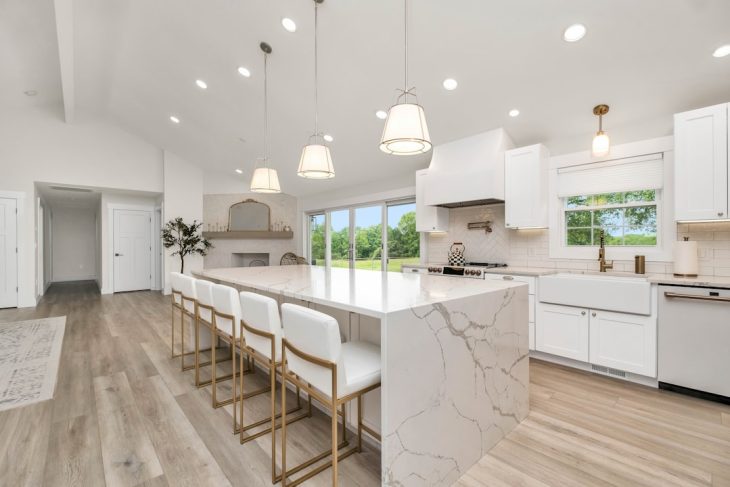
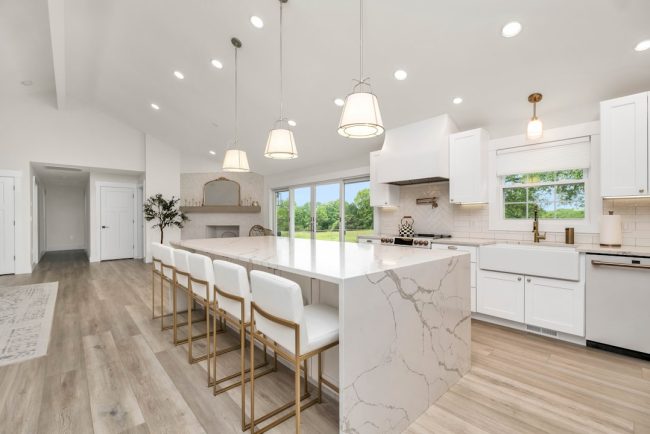
- Recessed Lights: If you have them, place them strategically so they illuminate the general area around the sofa without directly shining down on seated guests. Dimmers are crucial here to adjust the intensity.
- Flush Mounts/Semi-Flush Mounts: Similar to recessed, these can provide a good spread of light. Again, dimmers are your best friend.
- Pendant Lights (Carefully Placed): A single, well-chosen pendant can hang over a coffee table in front of the sofa, or perhaps in the open space created by the L-shape. Ensure it’s high enough not to obstruct views or head space.
Floor Lamps for General Warmth
Floor lamps are fantastic for adding ambient light, especially if you lack good overhead options.
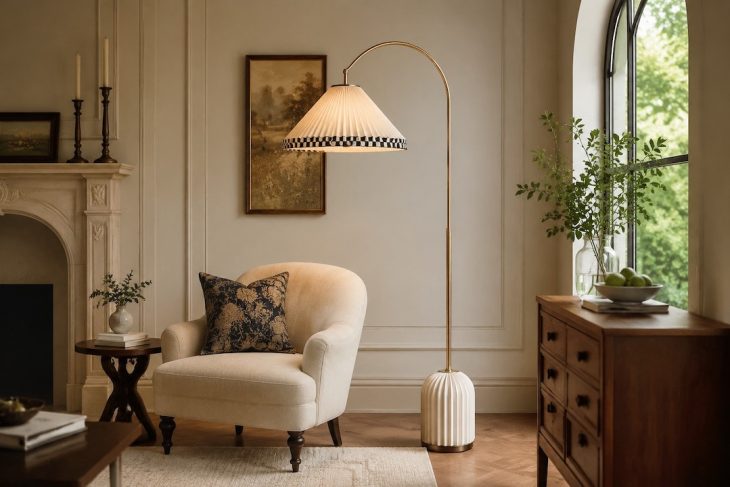
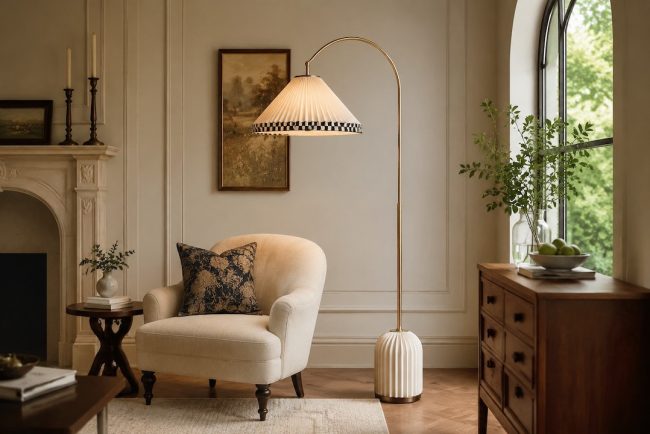
- Arc Lamps: These are brilliant for L-shaped sofas. An arc lamp can reach over the main section or the corner, bringing light into the heart of the seating area without taking up valuable floor space right next to the sofa. Look for ones with adjustable height and dimmers.
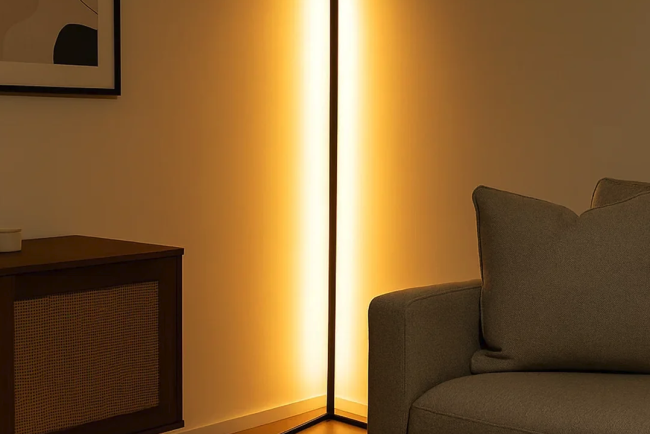
- Up-Lighters: These project light upwards, bouncing it off the ceiling to create a soft, diffused glow. Placing one in a corner near the sofa can work wonders.
- Column Lamps: Taller, more substantial floor lamps can stand at one end of the L-shape, providing a broader spread of light.
Task Lighting: For Focused Activities
This is where you bring in light for specific activities like reading, knitting, or working on a laptop. The L-shape gives you multiple potential spots for this.
Reading Nooks and Corners
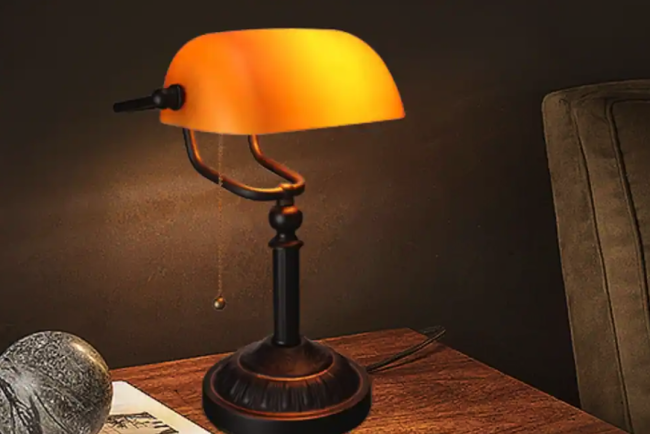
- Swing-Arm Wall Sconces: These are excellent if you have wall space behind the sofa. They can be mounted at an appropriate height and swung out when needed, then pushed back against the wall. Perfect for the corner or either end of the L.
- Adjustable Floor Lamps: Look for floor lamps with a flexible arm or neck. These allow you to direct the light precisely where you need it, whether it’s on your book or a crafting project. Place one at the end of the longer section or tucked into the corner.
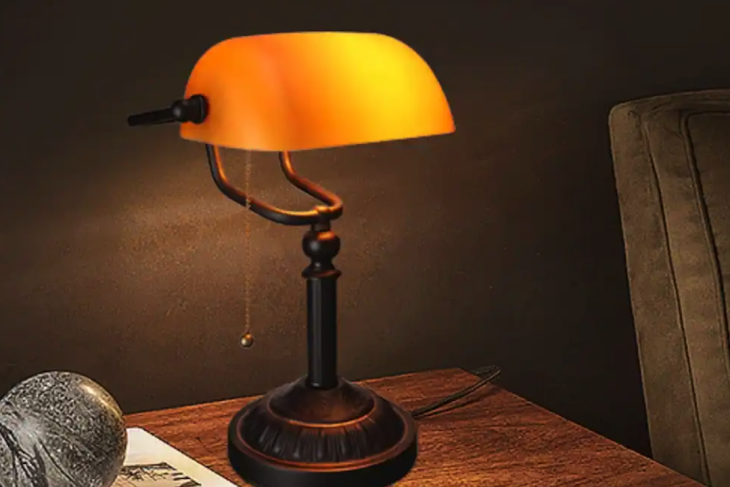
- Table Lamps on Side Tables: If you have side tables flanking your L-shape, a good table lamp can double as ambient and task lighting. Choose one with a shade that directs some light downwards.
Beyond Reading
Think about what else you do on your sofa. Do you like to play board games? A slightly brighter task light over a coffee table might be useful. Do you have guests often? Make sure there’s enough light for comfortable conversation without harsh shadows.
Accent Lighting: Adding Mood and Depth
Accent lighting is all about highlighting features, creating visual interest, and enhancing the overall mood. It’s the icing on the cake, making your L-shaped sofa area feel truly finished and inviting.
Highlighting Features
- Picture Lights: If you have artwork on the wall behind your sofa, small picture lights can draw attention to it, adding a sophisticated touch.
- Shelf Lighting: If you have shelves built into a wall near the sofa, or even a bookcase, strip lighting or puck lights can illuminate decorative objects, creating depth and a warm glow.
Creating Ambiance
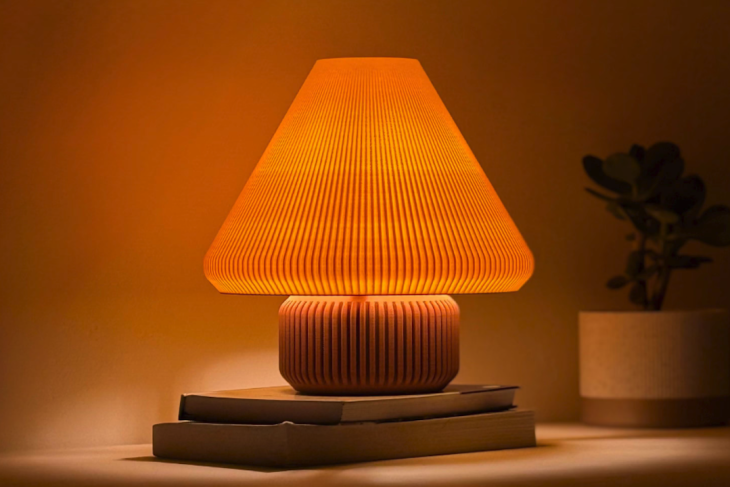
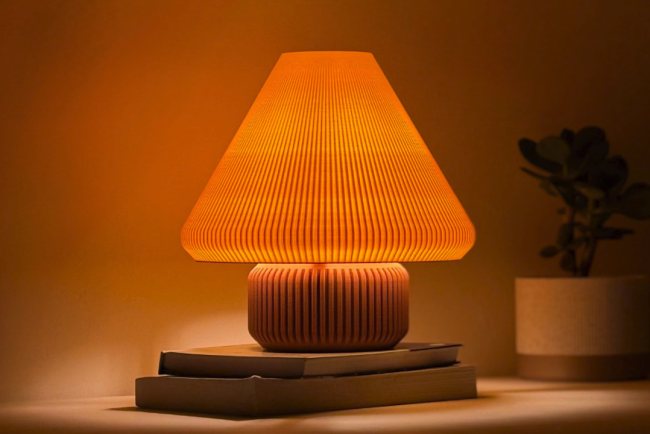
- Table Lamps (Decorative): While some table lamps serve as task lighting, others are purely for ambiance. Choose ones with interesting bases, soft shades, or even dimmable bulbs to add a warm, decorative element. Place them on end tables.
- Candles (Real or LED): Nothing beats the soft flicker of candles for instant coziness. Use real candles safely on sturdy surfaces, or opt for realistic LED candles for a worry-free glow. Group them in varying heights for visual interest.
- Fairy Lights/String Lights: These aren’t just for holidays! Drape them along a shelf above the sofa, tuck them behind a sheer curtain, or even weave them through a large plant. They add a magical, whimsical touch.
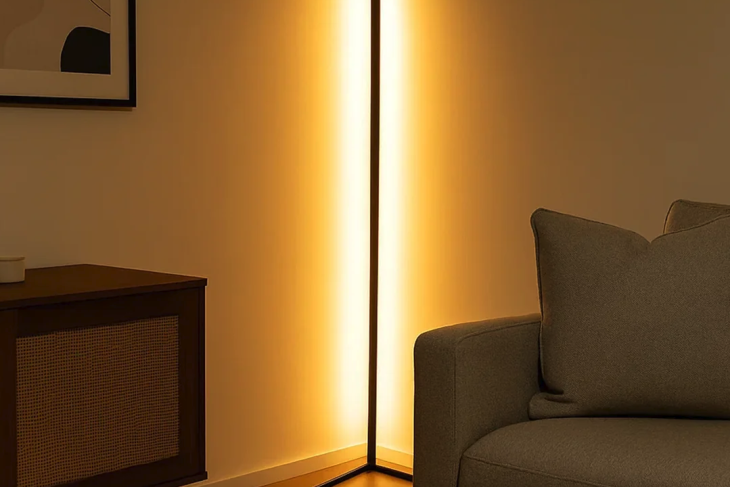
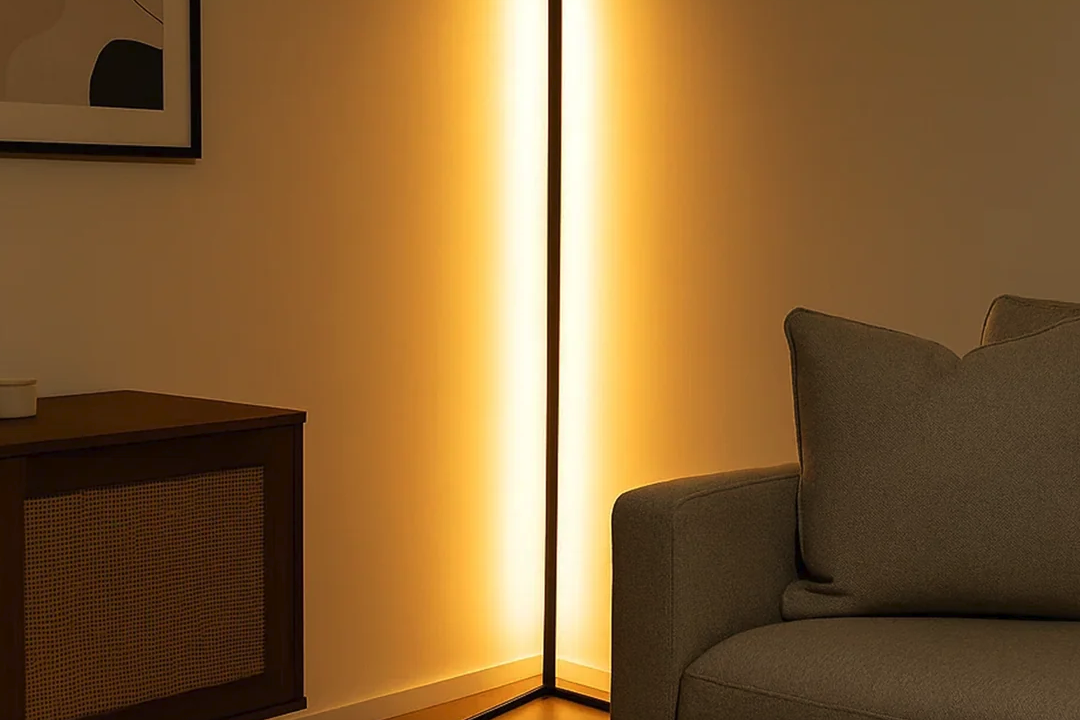
- LED Strips: These versatile lights can be hidden behind the sofa, under a console table, or along the bottom edge of shelving to create a subtle, indirect glow that highlights the sofa’s shape and separates it from the wall.
The Corner’s Potential
The corner of an L-shaped sofa is a prime spot for accent lighting.
- Small Table Lamp on a Corner Table: If you can fit a small table in the corner, a decorative lamp with a soft glow can make this area extra inviting.
- Spotlight on a Plant: If you have a tall plant in the corner, a small spotlight aimed at it from the floor can create beautiful shadows and highlight the greenery.
Practical Considerations and Smart Choices
Beyond the aesthetics, there are some practical elements that can make or break your lighting scheme.
Dimmers are Non-Negotiable
Seriously, if you take one piece of advice from this whole article, let it be this: install dimmers on as many lights as possible. They allow you to transition from bright functional light to a soft, intimate glow with a flick of a switch. This is especially important for ambient and even some task lights. You can easily adjust the mood for reading, watching movies, or entertaining.
Bulb Temperature and Brightness (Kelvins and Lumens)
- Warm White (2700K-3000K): This is generally what you want for a cozy living space. It emits a soft, yellowish light similar to traditional incandescent bulbs.
- Neutral White (3500K-4000K): Can be used for task lighting if you need a slightly crisper, more focused light without being too clinical.
- Lumens: This measures brightness. Don’t just look at watts; modern LED bulbs are very efficient. For ambient light, you’ll need more lumens overall, while task lights can be brighter in a concentrated area. A typical reading lamp might be around 450-800 lumens.
Placement and Scale
- Don’t Overcrowd: While layering is good, avoid too many lamps in a small space. Think about balance.
- Height Matters: Ensure floor lamps aren’t too short for reading or so tall they feel out of proportion. Table lamps should be at a height where the light source isn’t directly in your eyes when seated.
- Power Outlets: Before you buy all those beautiful lamps, check your outlet situation. You might need to add a few or invest in a smart power strip to manage cords.
Smart Lighting Options
- Smart Bulbs: These allow you to control brightness and color temperature from your phone or voice assistant. You can create different “scenes” for different activities (e.g., “movie night” scene, “reading” scene).
- Smart Plugs: Turn any lamp into a “smart” lamp by plugging it into a smart plug. Great for lamps that don’t have built-in smart features.
- Motion Sensors (Subtly Used): While perhaps less common for sofa lighting, a subtle motion sensor light near the path to the sofa could be helpful at night.
Styling Your Lamps
The lamps themselves aren’t just light sources; they’re also decorative elements. Think about how they contribute to the overall aesthetic of your room.
Matching Your Decor
- Material: Do you have a minimalist space? Look for sleek metal or glass lamps. A rustic or bohemian vibe might call for wood, rattan, or ceramic bases.
- Shape: Consider geometric shapes for modern rooms, or more organic forms for a natural feel.
- Shades: The shade plays a huge role. A translucent shade will diffuse light more broadly, while an opaque shade will direct light more precisely. Fabric, paper, or metal shades all offer different visual textures.
Creating Cohesion
While it’s fine to mix and match a bit, try to have some unifying element. Perhaps all your metals are brass, or your lampshades share a similar texture. This helps the different lighting elements feel like they belong together.
Common Mistakes to Avoid
Even with the best intentions, it’s easy to make a few missteps when lighting a living area.
Single Overhead Light Syndrome
Relying solely on one central ceiling light is the most common mistake. It creates harsh shadows and a flat, uninviting atmosphere. It’s often too bright for relaxation and not focused enough for tasks.
Ignoring the “L”
Failing to recognize the distinct zones of your L-shaped sofa means you’ll likely under-light some areas and over-light others. Treat it as multiple mini-areas within one larger zone.
Too Much of One Type
An abundance of floor lamps can make the room feel cluttered. Too many small table lamps can look busy. Strive for a good balance across ambient, task, and accent.
Wrong Bulb Temperature
Using cool white or daylight bulbs (above 4000K) in a living room will make it feel sterile and uninviting, especially around a cozy L-shaped sofa. Stick to warm white for primary living spaces.
Not Using Dimmers
This is worth repeating. Without dimmers, your lighting is one-note. You can’t adapt it to different activities or moods, limiting the versatility and comfort of your space.
Bringing It All Together
Imagine your L-shaped sofa. Let’s say you have the longer section facing a TV and the shorter return facing a window.
- Ambient Base: A well-placed arc floor lamp gracefully curves over the main section, providing general warm light. Or, if you have recessed lights, they’re dimmed low to provide a soft wash.
- Task Focus: Tucked into the corner of the ‘L’ is a slim, adjustable reading floor lamp, perfect for someone curled up with a book. On a side table at the end of the shorter return, a tasteful table lamp provides a little extra glow for a second reader or conversationalists.
- Mood & Sparkle: Behind the main section, a few small, battery-operated LED puck lights highlight a collection of pottery on a narrow shelf. A cluster of flameless candles sits safely on the coffee table. A decorative table lamp on a small end table by the longer section adds an additional layer of warmth and visual interest.
This combination ensures that whether you’re hosting a lively gathering, enjoying a quiet evening in, or diving into a novel, your L-shaped sofa area is perfectly lit for the occasion. It’s all about creating layers and choices, turning your sofa into the truly comfortable, functional, and inviting hub of your living space.