Thinking about how to make your living room feel more connected to your kitchen? A pass-through kitchen lighting design is a fantastic way to do it. It’s not just about putting a light in a doorway; it’s about creating a visual and functional bridge that makes both spaces feel more open, inviting, and cohesive.
What Exactly is Pass-Through Kitchen Lighting?
Essentially, pass-through kitchen lighting refers to any lighting fixture that’s strategically placed to illuminate a doorway or opening that connects your kitchen to your living room. The goal isn’t just to light the walkway, but to enhance the overall atmosphere of both rooms by allowing light to flow between them. This can involve a variety of fixture types and placement strategies, all aimed at making your home feel larger and more integrated.
It’s a practical solution that tackles a common design challenge: how to make open-plan or semi-open-plan living spaces feel more unified. Instead of having distinct, sometimes isolated, rooms, this approach uses light to create a sense of seamless transition.
Why Consider Pass-Through Lighting?
There are several compelling reasons to explore pass-through kitchen lighting for your home. It’s more than just an aesthetic choice; it can significantly impact how you use and experience your living and kitchen areas.
Making the Most of Natural Light
Sometimes, natural light gets trapped in one room. Pass-through lighting can help extend that precious daylight.
Extending Daylight into the Kitchen
Often, kitchens can feel a bit darker, especially if they’re on the interior of a house. By strategically placing lights above the pass-through, you can bounce light from brighter living room windows into the kitchen, making it feel less enclosed during the day. It’s a subtle but effective way to make your kitchen feel more airy and less like a separate, enclosed workspace.
Illuminating the Living Room from the Kitchen
Conversely, if your kitchen has its own light sources that are on, they can cast a warm glow into the living room, especially in the evenings. This can create a cozy ambiance, making the living room feel more inviting when you’re entertaining or just relaxing. Think of it as a gentle spillover of warmth and light.
Enhancing the Flow and Connection
The primary benefit of pass-through lighting is its ability to visually and functionally connect your kitchen and living room.
Creating a Welcoming Entryway
The opening between your kitchen and living room often acts as a natural passageway. Lighting this area well makes it feel less like a dark void and more like an intentional, welcoming entrance. It signals to guests and family members that these spaces are meant to be shared.
Promoting Social Interaction
When your kitchen and living room feel more connected, it encourages people to mingle. Someone cooking can easily chat with someone relaxing in the living room. The lighting plays a subtle role in this by making the transition between spaces less abrupt and more conducive to conversation. It’s about breaking down those physical and visual barriers.
Making Spaces Feel Larger
Light makes spaces feel bigger. By allowing light to flow freely between your kitchen and living room, you create a more expansive and open feeling throughout your home. It’s a trick of the eye that can make even smaller homes feel more generous in their proportions.
Improving Functionality and Task Lighting
Beyond the ambiance, pass-through lighting has practical benefits for how you use your spaces.
Illuminating the Pass-Through Area Itself
This might seem obvious, but it’s crucial. You need adequate light to safely walk through the opening, especially when carrying items. Good lighting here prevents stubbed toes and fumbles.
Providing Task Lighting for Kitchen Activities
Depending on the fixture and its placement, pass-through lighting can also serve as supplementary task lighting for your kitchen. This is particularly true if the light is directed downwards and covers a portion of your kitchen counter or workspace adjacent to the opening.
Highlighting Architectural Features
Well-chosen pass-through lighting can draw attention to interesting architectural details in either your kitchen or living room, such as a decorative backsplash, a unique countertop, or a piece of artwork in the living room. It’s a way to use light to guide the eye and showcase the best of your home.
Types of Pass-Through Kitchen Lighting Fixtures
When you think about pass-through lighting, you might immediately picture a simple overhead pendant. But there’s a whole range of options that can suit different styles and functional needs.
Pendant Lights
Pendant lights are a popular choice for pass-throughs because they offer both illumination and a decorative element.
Single Pendant Over the Opening
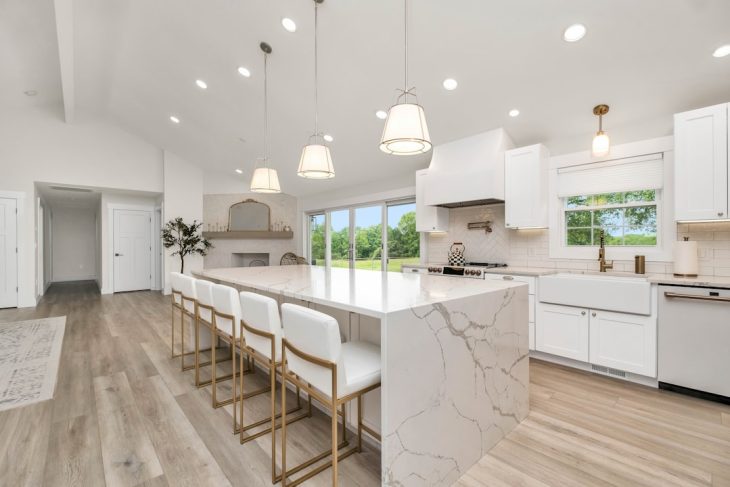
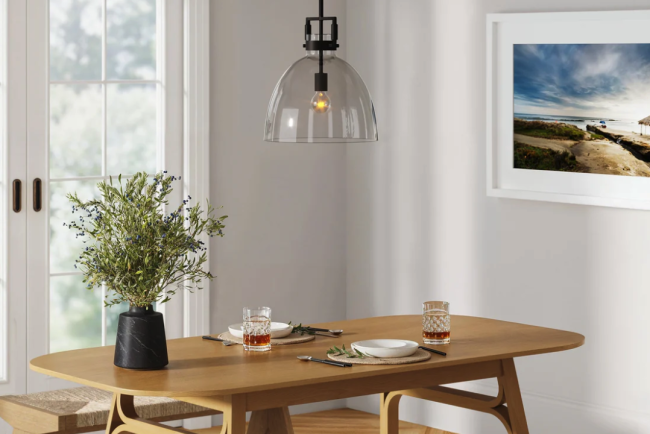
A single, striking pendant light hung directly above the center of the pass-through opening can make a strong design statement. The key is to choose a size and style that complements both your kitchen and living room decor. It acts as a visual anchor.
- Considerations: Ensure the pendant isn’t too low that it obstructs views or creates a head-bumping hazard. The cord length is important here.
- Style Impact: A modern, minimalist pendant can bridge a contemporary kitchen and living room, while a more ornate fixture can add a touch of elegance.
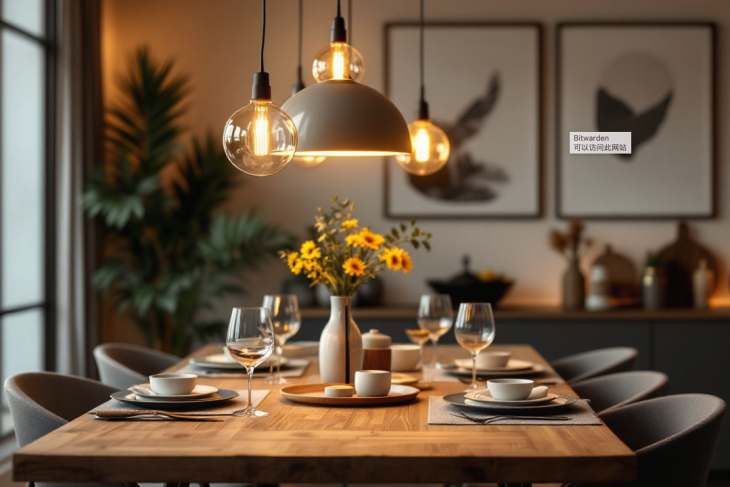
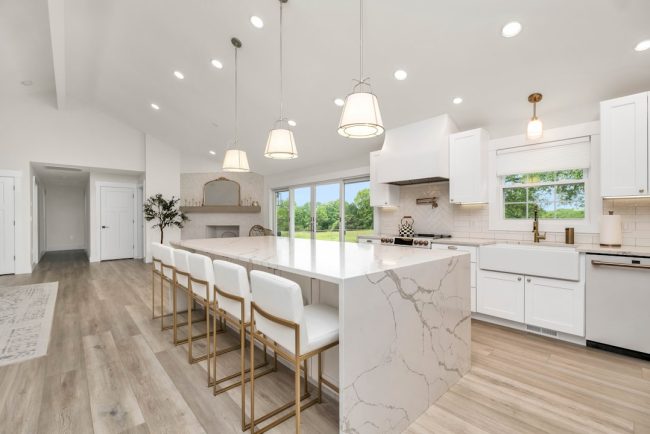
Group of Smaller Pendants
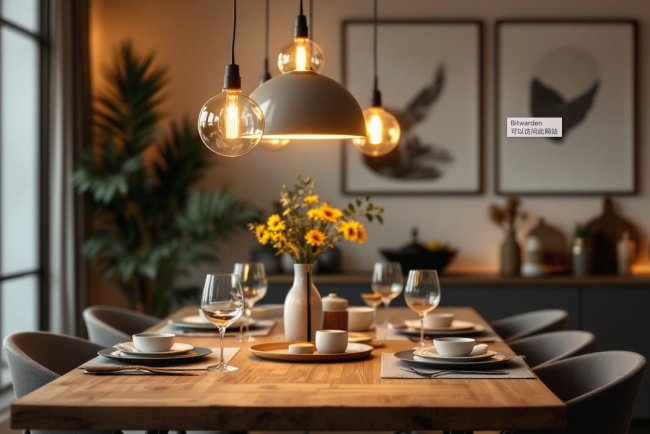
Instead of one large fixture, consider a cluster of three or five smaller pendants. This can create a more dynamic and visually interesting look, and it allows for more distributed light.
- Placement Strategy: Hang them in a linear fashion or at varying heights to add depth. This can work well for wider pass-throughs.
- Light Distribution: This setup can provide a more even spread of light across the opening and a bit of the surrounding areas.
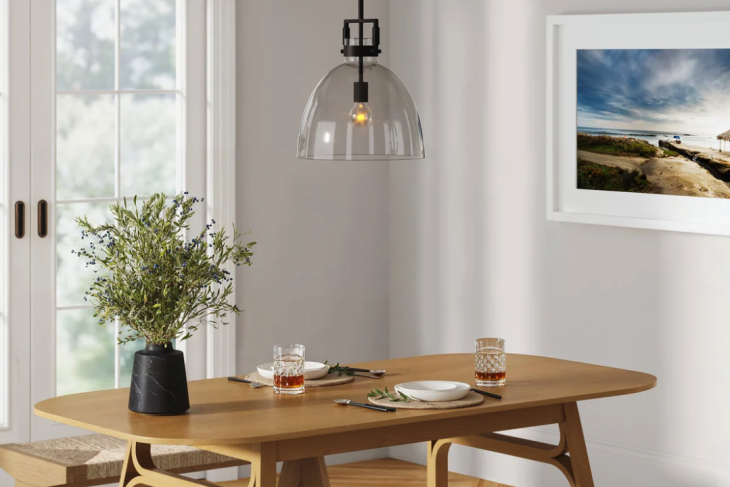
Drum or Bell Pendants
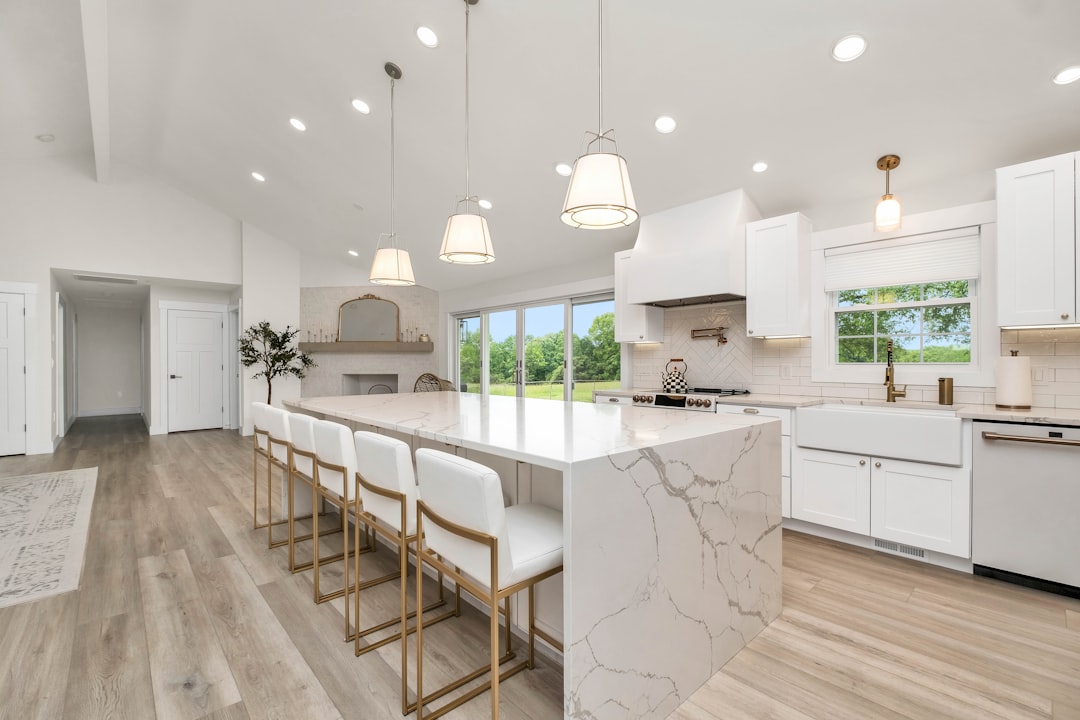
These shapes offer a softer, more diffused light compared to open-bottom pendants. They can be a good choice if you want to avoid harsh glare.
- Ambiance: They tend to create a warmer, more intimate atmosphere.
- Material: Look for metal, fabric, or glass shades that fit your room’s aesthetic.
Track Lighting Systems
Track lighting offers flexibility and is a practical choice for providing focused light.
Adjustable Spotlights
Track lights allow you to direct light precisely where you need it. You can aim them at the pass-through itself, or even angle them to illuminate parts of your kitchen counter or a feature wall in your living room.
- Targeted Illumination: This is great for task lighting within the kitchen or highlighting artwork in the living room.
- Adaptability: If you rearrange your furniture or kitchen layout, you can easily adjust the track light heads.
Linear Track with Multiple Heads
A longer track can span the width of a wider pass-through, with several adjustable heads providing ample light.
- Coverage: This ensures the entire opening is well-lit.
- Modern Aesthetic: Track lighting often lends itself to a more modern or industrial design.
Recessed Lighting
Recessed lights are a discreet option that provides clean, integrated lighting.
Downlights Above the Opening
Installing a couple of recessed downlights directly above the pass-through can provide excellent general illumination without taking up visual space.
- Clean Look: They are virtually invisible when not in use, maintaining a streamlined appearance.
- Even Spread: When spaced correctly, they offer a good distribution of light across the walkway.
Linear Arrangement for Wider Openings
For wider openings, a linear arrangement of recessed lights can effectively light the entire area.
- Subtle but Effective: This is a subtle way to ensure ample light without adding decorative fixtures that might clash with existing decor.
- Professional Finish: They give a polished, finished look.
Sconces on Either Side
Wall sconces can be a charming way to light a pass-through, especially if you have wall space on either side of the opening.
Decorative Sconces Framing the Opening
Installing sconces on the walls flanking the pass-through can create a beautiful, framed effect. They cast light upwards and downwards, providing ambient light and accentuating the architectural opening.
- Architectural Emphasis: This can highlight the doorway as a feature itself.
- Indirect Lighting: Sconces provide softer, more ambient light than direct overhead fixtures.
Functional Sconces for Task Lighting
Some sconces are designed to offer more directed light, which can be helpful if the opening is also used for quick counter access.
- Dual Purpose: They can add decorative flair while also providing practical illumination.
- Style Variety: Sconces come in countless styles, from traditional to contemporary.
Integrated Lighting (Cabinetry/Cove Lighting)
This refers to lighting that’s built into existing structures.
Under-Cabinet Lighting Extending to the Pass-Through
If you have under-cabinet lighting in your kitchen, consider extending it slightly around the edge of the pass-through opening. This can create a beautiful glow that spills out.
- Soft Ambiance: This provides a very subtle, warm light.
- Illuminated Edges: It highlights the transition zone in a sophisticated way.
Cove Lighting Above the Opening
If you have a soffit or architectural feature above the pass-through, cove lighting can provide a soft, diffused upward glow that reflects down.
- Indirect and Diffused: This is one of the softest forms of lighting, creating a very serene atmosphere.
- Highlights Architecture: It can beautifully illuminate the ceiling or the underside of the soffit.
Designing for Optimal Light Flow and Functionality
Simply installing a light isn’t enough. Thoughtful design is key to making your pass-through lighting work beautifully.
Placement is Paramount
Where you put the lights significantly impacts their effectiveness.
Centering Above the Opening
For a single pendant or a balanced look with multiple fixtures, centering the light source directly above the middle of the pass-through opening is usually the most visually appealing and functional approach.
- Symmetrical Balance: This creates a sense of order and draws the eye to the transition.
- Even Illumination: It ensures light is distributed across the entire opening.
Spacing for Recessed Lights
When using recessed lights, spacing them appropriately is crucial for even coverage. Generally, you’ll want them spaced about halfway between the center of the opening and the edges, or following manufacturer guidelines for optimal spread.
- Avoiding Dark Spots: Proper spacing prevents shadows in the middle or at the edges.
- Professional Look: Correct spacing contributes to a clean, professional installation.
Considering Ceiling Height
Your ceiling height will dictate the type and size of fixture you can use.
- Low Ceilings: Opt for flush-mount fixtures, recessed lighting, or low-profile pendants with short cords. You don’t want anything hanging too low.
- High Ceilings: You have more flexibility. Longer pendants can create a dramatic effect, and you can also use multiple fixtures to fill the vertical space.
Light Color Temperature (Kelvin)
The warmth or coolness of the light matters for ambiance.
Warm White (2700K-3000K)
This is the most common and generally preferred range for living spaces and kitchens. It mimics the warm glow of incandescent bulbs and creates a cozy, inviting atmosphere.
- Cozy Ambiance: Perfect for relaxation and entertaining.
- Natural Feel: It feels familiar and comfortable to most people.
Neutral White (3500K-4000K)
This is a bit brighter and cleaner than warm white, often used in task lighting areas. It can be a good option for the kitchen side of the pass-through if you need more focused light for food prep.
- Brighter, Cleaner Light: Good for areas where detail is important.
- Versatile: Can bridge the gap between very warm and very cool lighting.
Cool White/Daylight (5000K+)
This is a very bright, blue-toned light that mimics natural daylight. It’s generally not recommended for living rooms as it can feel sterile and harsh, but it might be considered for specific, highly functional kitchen tasks if that’s the primary need for that part of the light.
- Energizing Light: Useful for tasks requiring high visibility.
- Less Ambiance: Can feel less inviting for general living space use.
Brightness (Lumens) and Dimmers
Controlling the intensity of the light is key to its versatility.
Appropriate Lumen Output
The number of lumens (a measure of brightness) you need depends on the size of the opening and the surrounding areas. Don’t go too dim, or it won’t be effective. Don’t go too bright, or it will be overpowering.
- Balance: Aim for enough light to illuminate the pass-through comfortably without being glaring.
- Fixture Type Impact: A single large pendant will have a different lumen output than several small ones or recessed lights.
The Magic of Dimmers
Installing a dimmer switch on your pass-through lighting is one of the most impactful things you can do. It allows you to adjust the brightness to suit the mood and activity.
- Mood Control: Dim down for a cozy movie night, brighten up for prepping a meal or entertaining guests.
- Energy Savings: Dimming also saves energy.
Integrating with Existing Kitchen and Living Room Styles
The pass-through lighting shouldn’t look like an afterthought. It needs to blend seamlessly with your decor.
Matching Fixture Styles
The most straightforward approach is to choose fixtures that echo the style of one of your rooms, or that act as a neutral bridge.
Kitchen-Centric Fixtures
If your kitchen has a strong style (e.g., farmhouse, modern), choose a pendant or sconce that complements it, and ensure it doesn’t clash with your living room.
- Cohesive Kitchen Feel: This can help make the kitchen feel like an extension of the pass-through, and vice versa.
- Consider the Visual Weight: A heavy, rustic pendant might work for a farmhouse kitchen but might overwhelm a delicate living room.
Living Room-Centric Fixtures
Conversely, if your living room is the more dominant design space, pick lighting that aligns with its aesthetic.
- Elevated Living Area: This can make the living room feel like it’s gracefully flowing into the kitchen.
- Focal Point Potential: A stylish living room fixture can become a beautiful focal point for both spaces.
Neutral or Transitional Fixtures
Many fixtures are designed to be versatile. Think clean lines, simple shapes, and classic materials like brushed nickel, matte black, or clear glass.
- Bridging the Gap: These are ideal for situations where the kitchen and living room styles are quite different.
- Timeless Appeal: Neutral styles are less likely to go out of fashion.
Material and Finish Coordination
Pay attention to the materials and finishes of your chosen lights.
Metal Finishes
If you have brushed nickel hardware in your kitchen, consider a brushed nickel pendant. If your living room has black accents, matte black fixtures can tie things together.
- Consistent Hardware: Matching metal finishes creates a sense of intentionality.
- Visual Harmony: It prevents clashing metal tones.
Glass and Shade Materials
The type of glass or shade material can also influence the overall feel. Frosted glass offers a softer light, while clear glass can be more modern. Fabric shades add a softer, more traditional touch.
- Light Diffusion: Consider how much light you want diffused versus how direct you need it.
- Texture and Pattern: Materials can add subtle texture or visual interest.
Scale and Proportion
The size of the fixture relative to the opening and the rooms is critical.
Fixture Size Relative to the Pass-Through Width
A tiny pendant in a wide opening will look lost. A massive chandelier in a narrow doorway will feel overwhelming.
- Visual Balance: The fixture should feel appropriately sized for the architectural feature.
- Avoid Obstruction: Ensure it doesn’t block sightlines or impede movement.
Fixture Size Relative to Room Scale
Consider the overall size of your kitchen and living room. A very large fixture might be perfect for a grand, open-plan space but too much for a smaller home.
- Context is Key: The lighting should feel right within the context of the entire space.
- Impactful but Not Overbearing: It should enhance, not dominate.
Addressing Potential Challenges and Solutions
While pass-through lighting is generally beneficial, there are a few things to consider to ensure it works for you.
Light Spill and Glare
Uncontrolled light can sometimes be a problem.
Directing Light Appropriately
Use fixtures with shades or diffusers to direct light where you need it and prevent direct glare into seating areas or workspaces.
- Shaded Pendants: Offer a softer, more contained light.
- Recessed with Trim: Can help reduce glare by recessing the light source.
Using Dimmers to Control Intensity
As mentioned, dimmers are your best friend here. If a light is too bright at its full setting, dimming it down can solve glare issues and create a more pleasant ambiance.
- Adjustable Ambiance: Tailor the light to the specific activity or mood.
- Preventing Eye Strain: Reduce brightness to a comfortable level.
Electrical Wiring and Installation
This is a practical consideration that often requires professional help.
Hiring a Qualified Electrician
Unless you have significant electrical experience, it’s always best to hire a licensed electrician for any new wiring or fixture installation. They can ensure everything is up to code and safely installed.
- Safety First: Proper wiring prevents fire hazards and electrical shocks.
- Compliance: Ensures your installation meets local building codes.
Planning Wiring Routes
Consider where the wiring will run from your existing electrical box to the new fixture location. This might involve running wires through ceilings, walls, or even under floors.
- Minimizing Disruption: A good electrician can plan the most efficient and least invasive wiring route.
- Aesthetic Considerations: Concealing wires is important for a clean look.
Impact on Privacy
In some cases, bright lights in the kitchen might feel like they’re intruding on the living room’s privacy, especially in the evening.
Layering Light Sources
Don’t rely solely on pass-through lighting. Ensure your living room has its own set of ambient, task, and accent lights that you can control independently.
- Independent Control: Allows you to create distinct moods for each space.
- Balance: Avoid a situation where the kitchen light dictates the living room’s ambiance.
Using Curtains or Blinds
If light spill from the kitchen is a consistent issue, consider using curtains or blinds in your living room to control the light entering from that side.
- Light Control: Provides a physical barrier to unwanted light.
- Aesthetic Options: Curtains and blinds also offer decorative possibilities.
Maintenance and Cleaning
Keep your fixtures looking good with regular care.
Dusting and Wiping Fixtures
Regularly dust and wipe down your light fixtures to keep them free of dust and grime, which can dim their output and make them look unsightly.
- Preserving Light Quality: Clean fixtures provide better, brighter light.
- Aesthetic Appeal: Keeps your home looking tidy.
Bulb Replacement
Be prepared to replace bulbs periodically. Note the type of bulb your fixture uses and keep spares on hand.
- Continued Illumination: Ensures your pass-through lighting remains functional.
- Convenience: Avoids a trip to the store when a bulb finally goes out.
The Transformative Power of Pass-Through Lighting
Ultimately, enhancing your living room with pass-through kitchen lighting is about more than just adding a light fixture. It’s a strategic design choice that can fundamentally change how your home feels and functions. By carefully selecting your fixtures, planning their placement, and considering how they integrate with your existing style, you can create a more open, inviting, and cohesive living environment.
It’s a way to subtly but effectively break down the barriers between your kitchen and living room, making both spaces feel more connected and welcoming. Whether you’re looking to improve the flow of natural light, create a cozier atmosphere for entertaining, or simply make your home feel larger, pass-through kitchen lighting offers a practical and stylish solution. It’s a relatively straightforward upgrade that can yield significant improvements in the overall ambiance and usability of your home.