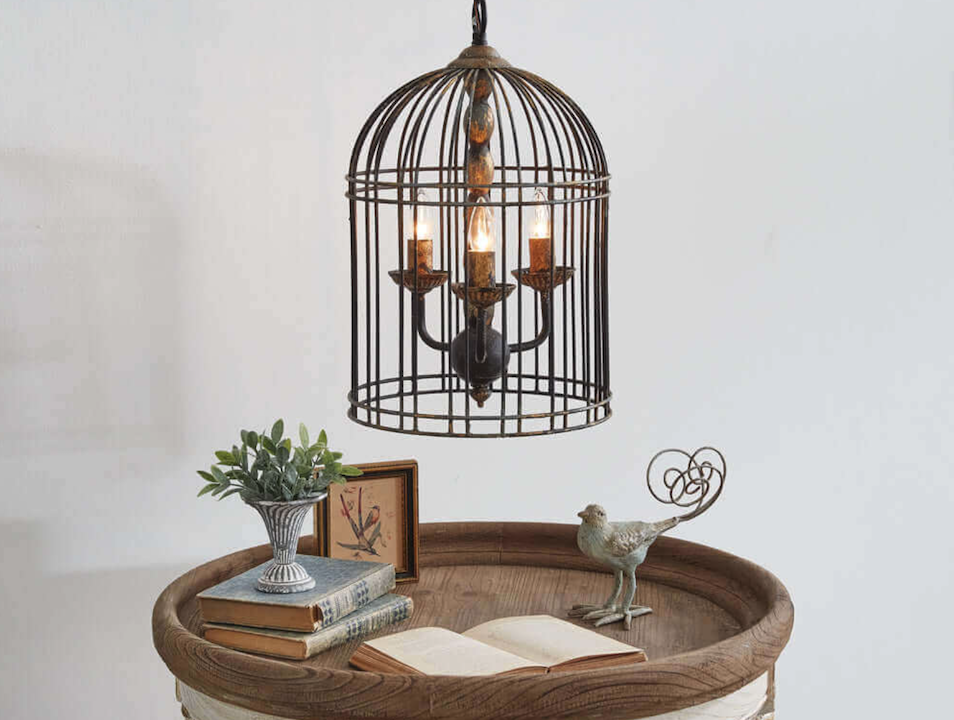
The birdcage chandelier has a storied history that traces back to the opulent interiors of royal palaces and grand estates. Originating in the 18th century, these ornate light fixtures were initially designed to mimic the delicate structures of birdcages, often adorned with intricate metalwork and glass elements. The design was not merely aesthetic; it served a practical purpose as well.
The open structure allowed for the diffusion of light, creating a warm and inviting atmosphere in large, cavernous spaces. In the grand ballrooms and dining halls of European nobility, these chandeliers became symbols of wealth and sophistication, often crafted from precious materials like crystal and gold. As the Industrial Revolution progressed, the production of birdcage chandeliers Makalco became more accessible, allowing them to transition from exclusive royal adornments to fixtures found in middle-class homes.
The Victorian era saw a surge in popularity for these chandeliers, with artisans experimenting with various styles and materials. The introduction of gas lighting further transformed their design, as the need for ventilation and safety became paramount. By the late 19th century, electric lighting revolutionized the chandelier market, leading to even more elaborate designs that incorporated electric bulbs into the classic birdcage form.
This evolution marked a significant shift in how these fixtures were perceived, moving from mere functional objects to essential elements of interior design.
The Timeless Elegance of Vintage Birdcage Chandeliers
Vintage birdcage chandeliers exude a timeless elegance that transcends fleeting design trends. Their intricate craftsmanship and unique designs often tell stories of the eras they represent, making them not just lighting fixtures but also conversation pieces. The allure of vintage chandeliers lies in their ability to evoke nostalgia while still fitting seamlessly into contemporary settings.
Many vintage pieces feature exquisite detailing, such as hand-blown glass shades or ornate metalwork, which are often absent in mass-produced modern alternatives. This craftsmanship not only enhances their aesthetic appeal but also signifies a level of artistry that is increasingly rare in today’s fast-paced manufacturing environment. Moreover, vintage birdcage chandeliers often come with a rich patina that adds character and depth to their appearance.
The wear and tear accumulated over decades can imbue these fixtures with a sense of history that new items simply cannot replicate. For instance, a vintage chandelier might display slight imperfections or variations in color that reflect its journey through time, making it a unique addition to any space. This inherent charm is particularly appealing to those who appreciate the beauty of imperfection and the stories that come with age.
As such, vintage birdcage chandeliers serve as a bridge between past and present, allowing homeowners to incorporate a piece of history into their modern lives.
How to Incorporate a Birdcage Chandelier into Your Home Decor
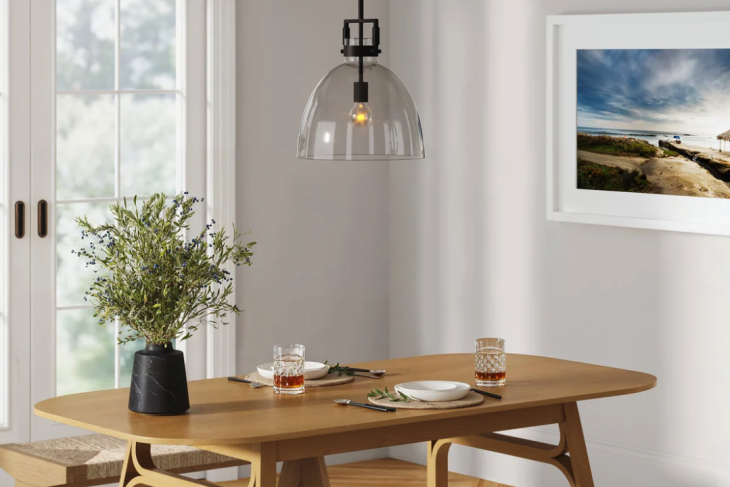
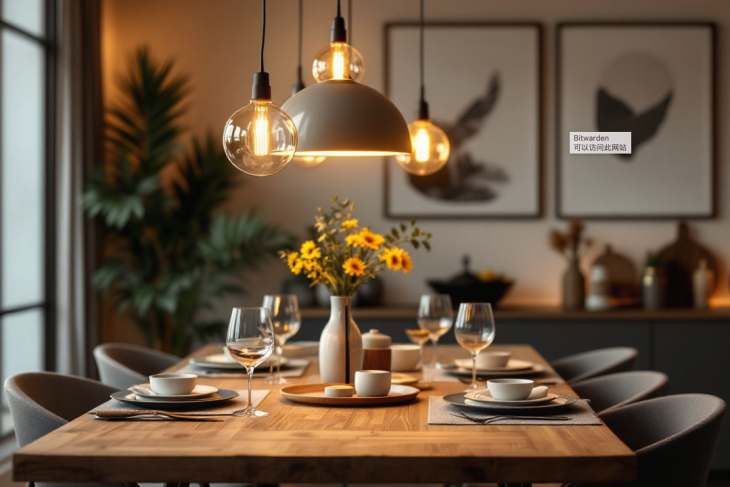
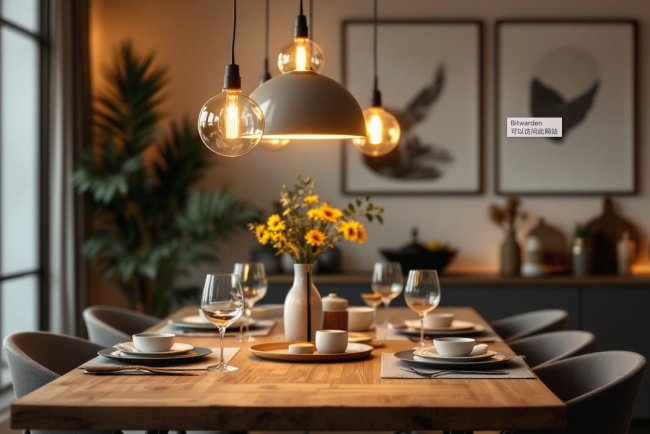
Incorporating a birdcage chandelier into home decor requires thoughtful consideration of both style and placement. One effective approach is to use these fixtures as focal points in a room. For example, in a dining area, a large vintage birdcage chandelier can hang above the table, drawing the eye upward and creating an inviting ambiance for meals and gatherings.
The soft glow emitted by the chandelier can enhance the overall dining experience, making it feel more intimate and special. Additionally, pairing the chandelier with complementary decor elements—such as vintage tableware or rustic wooden furniture—can create a cohesive aesthetic that celebrates both the chandelier’s history and the surrounding decor. Another way to incorporate a birdcage chandelier is by using it in unexpected spaces.
While they are traditionally associated with dining rooms or entryways, these fixtures can also add charm to bedrooms, bathrooms, or even home offices. In a bedroom, for instance, a smaller birdcage chandelier can serve as an elegant bedside light fixture, providing both functionality and style. In bathrooms, a vintage piece can elevate the space, transforming an ordinary area into a luxurious retreat.
By thinking outside the box and considering various placements, homeowners can maximize the impact of their birdcage chandeliers while ensuring they harmonize with existing decor.
The Versatility of Vintage Birdcage Chandeliers: Perfect for Any Room
The versatility of vintage birdcage chandeliers is one of their most appealing attributes. These fixtures can seamlessly blend into various design styles, from rustic farmhouse aesthetics to sleek modern interiors. In a contemporary setting, a minimalist birdcage chandelier with clean lines can add an unexpected touch of elegance without overwhelming the space.
Conversely, in a more traditional or eclectic home, an ornate vintage piece can serve as a stunning centerpiece that complements other decorative elements. Moreover, the adaptability of birdcage chandeliers extends beyond style; they can also vary in size and scale to suit different rooms. A grand chandelier can make a bold statement in a spacious foyer or living room, while smaller versions can provide charm and character in cozy nooks or intimate spaces.
This flexibility allows homeowners to curate their environments according to personal taste and spatial constraints. Whether used as a dramatic focal point or as part of layered lighting schemes, vintage birdcage chandeliers can enhance any room’s ambiance and aesthetic appeal.
Choosing the Right Size and Style of Birdcage Chandelier for Your Space
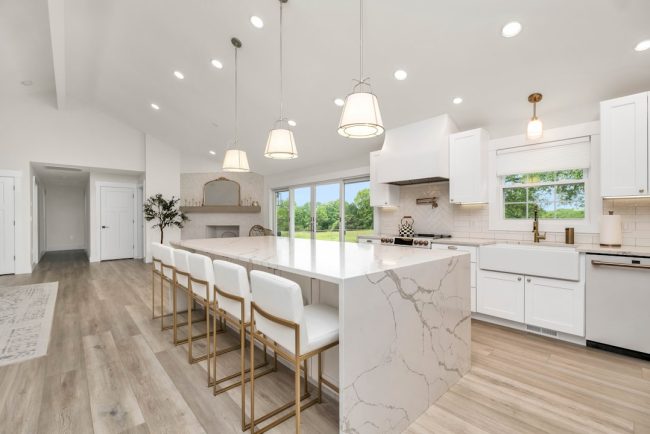
Selecting the appropriate size and style of a birdcage chandelier is crucial for achieving balance within a room’s design. A common guideline is to consider the dimensions of the space where the chandelier will be installed. For instance, in larger rooms with high ceilings, opting for an oversized chandelier can create an impressive visual impact while filling empty vertical space.
Conversely, in smaller rooms or areas with lower ceilings, choosing a more modestly sized chandelier ensures that it does not overwhelm the space or obstruct sightlines. In terms of style, homeowners should consider how the chandelier will complement existing decor elements. A vintage birdcage chandelier with intricate detailing may pair beautifully with antique furnishings or traditional decor themes.
On the other hand, if the surrounding decor leans towards modern minimalism, selecting a simpler design with clean lines can create an appealing contrast without clashing with other elements. Ultimately, finding the right balance between size and style is essential for creating a harmonious environment that showcases the beauty of the chandelier while enhancing the overall aesthetic.
Maintenance and Care Tips for Vintage Birdcage Chandeliers
Cleaning and Dusting
Regular cleaning is essential to prevent dust accumulation and tarnishing of metal components. A soft microfiber cloth is ideal for gently wiping down surfaces without scratching delicate finishes.
Restoring Sparkle to Delicate Elements
For more intricate designs featuring crystals or glass elements, using a mixture of warm water and mild soap can help restore their sparkle without damaging them. It is advisable to avoid harsh chemicals or abrasive materials that could harm the finish or integrity of the chandelier.
Inspections and Maintenance
In addition to regular cleaning, periodic inspections are crucial for identifying any potential issues before they escalate into significant problems. Homeowners should check for loose connections or frayed wiring that could pose safety hazards. If any electrical components appear worn or damaged, consulting a professional electrician is recommended to ensure safe operation. Furthermore, if the chandelier features candles or bulbs that require replacement, selecting high-quality options that match the original design will help maintain its aesthetic appeal while ensuring optimal performance.
Where to Find Authentic Vintage Birdcage Chandeliers
Finding authentic vintage birdcage chandeliers can be an exciting treasure hunt for enthusiasts and decorators alike. Antique shops often serve as excellent sources for these unique fixtures, as they typically curate collections that reflect various historical periods and styles. Flea markets and estate sales are also promising venues where one might stumble upon hidden gems at reasonable prices.
Engaging with local artisans who specialize in restoration can provide additional avenues for acquiring vintage pieces that have been lovingly refurbished. Online marketplaces have also become increasingly popular for sourcing vintage chandeliers. Websites like eBay or Etsy feature numerous listings from sellers around the world, offering everything from rare finds to more common styles at varying price points.
However, when purchasing online, it is essential to verify the authenticity of the item through detailed descriptions and photographs. Reading reviews from previous buyers can also provide insights into the seller’s reliability and product quality.
The Enduring Appeal of Vintage Birdcage Chandeliers in Interior Design
The enduring appeal of vintage birdcage chandeliers in interior design lies in their ability to evoke emotion while serving practical purposes. These fixtures encapsulate a sense of nostalgia that resonates with many homeowners seeking to create spaces filled with character and warmth. Unlike contemporary lighting options that may prioritize minimalism over personality, vintage chandeliers offer an opportunity to celebrate craftsmanship and history within modern interiors.
Furthermore, as sustainability becomes an increasingly important consideration in design choices, vintage birdcage chandeliers present an eco-friendly alternative to new mass-produced items. By choosing authentic vintage pieces, homeowners contribute to reducing waste while embracing unique designs that tell stories of their past lives. This blend of aesthetic appeal and environmental consciousness ensures that vintage birdcage chandeliers will continue to hold their place as cherished elements in interior design for years to come.