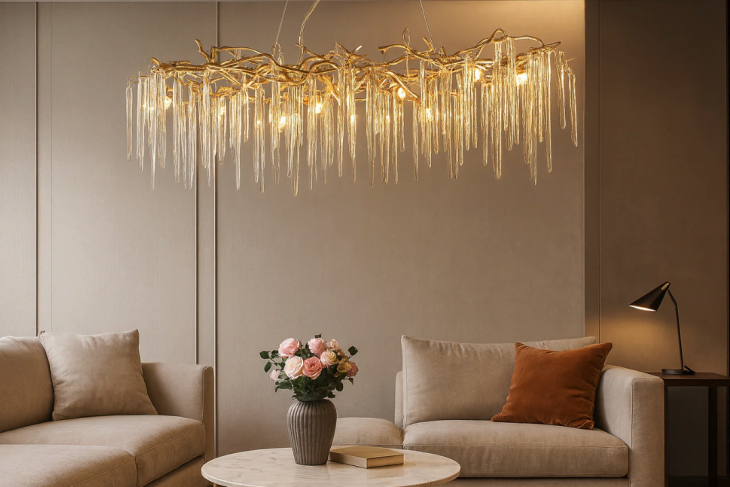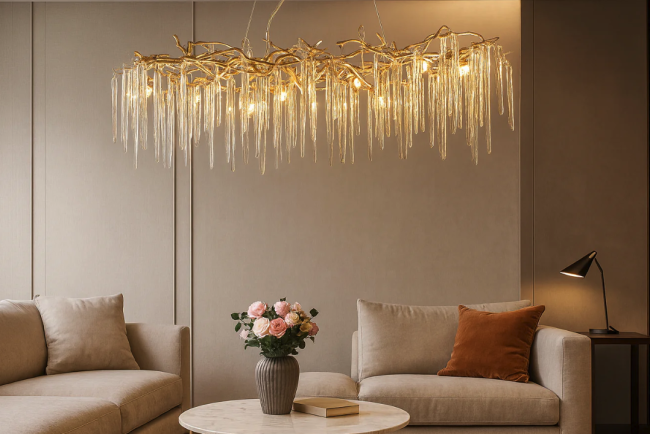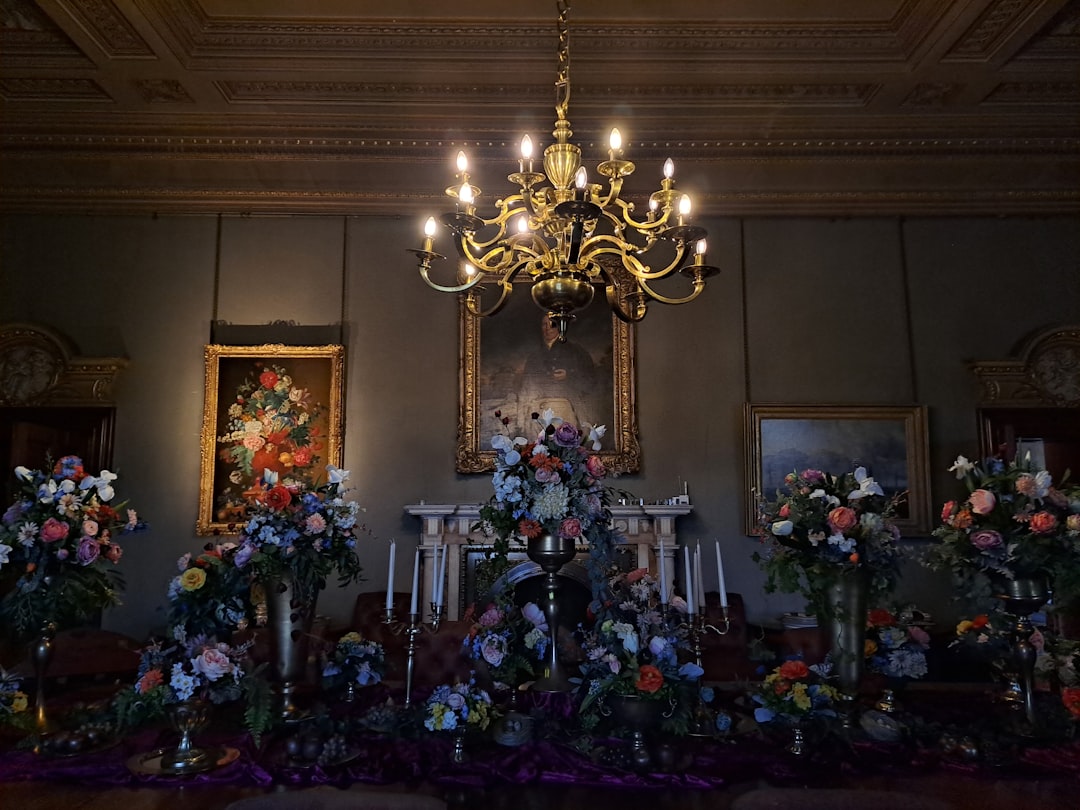
So, you’re looking to upgrade your dining space, and you’re wondering if a brushed brass chandelier is the right move. The short answer is yes, absolutely. A well-chosen elegant brushed brass dining chandelier isn’t just a light fixture; it’s a statement piece that brings a touch of refined luxury and warmth to your home. It’s practical too, offering excellent illumination for meals and gatherings, but its real charm lies in its ability to elevate the entire aesthetic of your dining area.
Brushed brass isn’t just a fleeting trend; it’s a finish with staying power. Unlike its polished counterpart that can feel a bit too opulent or even dated, brushed brass offers a softer, more understated elegance. It has a beautiful matte or satin-like appearance, which diffuses light Xlightings rather than reflecting it harshly, creating a much more inviting and sophisticated glow.
The Allure of Subtlety
Think of brushed brass as the sophisticated sibling of polished brass. It eschews overt shine for a more muted, almost antique-like appeal. This subtlety allows it to blend seamlessly into various interior design styles, from modern minimalist to classic traditional, without ever feeling out of place. It’s not screaming for attention; it’s effortlessly commanding it.
Durability and Maintenance
Another significant advantage of brushed brass is its durability and ease of maintenance. The brushed finish is inherently more forgiving than polished surfaces, which tend to show fingerprints, smudges, and minor scratches much more readily. A simple wipe with a soft, dry cloth is often all that’s needed to keep it looking pristine. It’s built to last and maintain its beauty for years to come.
Warmth and Ambiance
Perhaps the most compelling reason to choose brushed brass is the warmth it brings to a room. The golden undertones of brass naturally emit a rich, inviting glow, even when the light isn’t on. When illuminated, this warmth is amplified, creating an ambiance that feels cozy, luxurious, and perfect for dining and entertaining.
Features to Look For in an Elegant Brushed Brass Dining Chandelier
When you’re shopping for a chandelier, it’s easy to get caught up in the aesthetics. But beyond how it looks, there are some really practical features that can make a huge difference in how it functions and fits into your home.
Size and Scale: Getting it Right
This is probably the most crucial aspect. A chandelier that’s too small gets lost, and one that’s too big can overwhelm the space and make your dining area feel cramped. There’s a general rule of thumb: measure the width and length of your dining room in feet, add those numbers together, and that sum in inches is a good starting point for the ideal diameter of your chandelier. So, a 10’ x 14’ room would suggest a 24-inch diameter chandelier. This isn’t a hard and fast rule, but it’s a good guide.
Adjustable Height and Suspension
Dining tables come in different heights, and ceiling heights vary wildly. You’ll want a chandelier with an adjustable suspension system – whether it’s a chain, rod, or wire – so you can position it perfectly above your table. Generally, the bottom of the chandelier should be about 30-36 inches above your tabletop. This ensures it illuminates the table effectively without obstructing views across it.
Dimmer Compatibility for Mood Control
A dining room is a versatile space. Sometimes you want bright light for homework or puzzles, other times you want a soft, intimate glow for a dinner party. A chandelier that’s compatible with a dimmer switch is a game-changer. It gives you complete control over the ambiance, allowing you to tailor the lighting to any occasion.
Light Source and Bulb Type
Consider the type of bulbs the chandelier uses. LED bulbs are fantastic for energy efficiency, longevity, and often offer a variety of color temperatures. If you prefer a warmer, more traditional glow, incandescent or Edison-style LED bulbs can be very appealing. Think about how many bulbs the fixture holds too; more bulbs generally mean more light, but also more potential for a grander statement.
Integrating Your Chandelier: Design Tips & Tricks
So you’ve found the perfect brushed brass chandelier. Now, how do you make sure it looks like it was always meant to be there, not just an afterthought? It’s all about creating a cohesive look.
Complementary Furnishings and Finishes
You don’t need a perfectly matching brushed brass tap, doorknob, and picture frame. In fact, that can look a bit monotonous. Instead, think about complementing the brass. Woven textures, dark wood tones (like walnut or oak), velvet upholstery, and even other muted metallics like matte black or antique bronze can play beautifully with brushed brass. The goal is harmony, not uniformity.
Wall Colors That Pop or Soothe
Brushed brass looks stunning against a variety of wall colors. For a dramatic, luxurious feel, consider deep jewel tones like emerald green, navy blue, or charcoal grey. These colors make the brass pop, creating a vibrant contrast. If you prefer a more serene and airy atmosphere, soft neutrals like warm whites, creams, or pale greys provide a beautiful, sophisticated backdrop that lets the brass subtly shine.
Tableware and Décor Accents
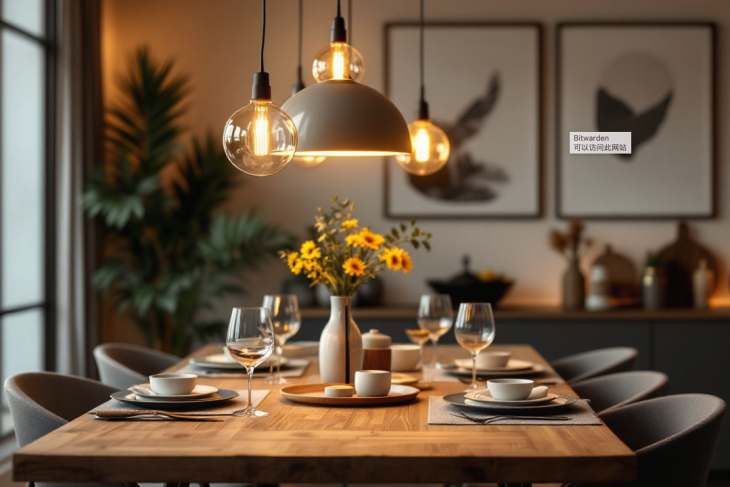
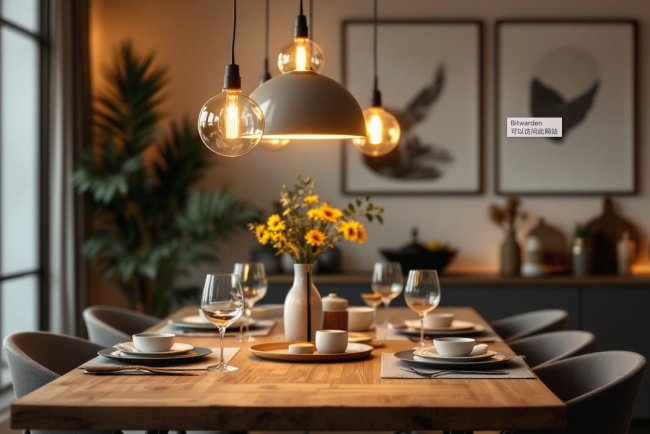
Extend the elegance to your table settings. Consider charger plates with subtle metallic accents, napkin rings in a complementary finish, or even a centerpiece that incorporates brushed brass elements. Even small touches can tie the entire room together, making the chandelier feel like an integral part of the dining experience, rather than an isolated fixture.
Consider the Room’s Overall Style
Before buying anything, take a good, honest look at your current dining room. Is it modern? Traditional? Industrial? Farmhouse? A brushed brass chandelier is versatile, but choosing a style that harmonizes with your existing decor will ensure it feels like a natural extension of your home’s personality. A sleek, geometric brass chandelier will suit a modern space, while one with more ornate details might be better for a traditional setting.
Installation & Safety: What You Need to Know
Installing a chandelier isn’t quite as straightforward as screwing in a lightbulb. It’s often a job best left to the professionals, but even if you’re hiring someone, it’s good to understand the basics.
Professional Installation is Often Best
Unless you’re confident with electrical work and comfortable working on a ladder, hiring a licensed electrician is highly recommended. They’ll ensure the fixture is safely wired, properly supported, and up to code. This isn’t just about making sure the lights work; it’s about preventing fire hazards and injuries.
Checking Weight and Ceiling Support
Chandeliers can be heavy. Very heavy. Before installation, it’s vital to ensure your ceiling junction box and the joists above can safely support the weight of the new fixture. If you’re replacing a lighter fixture with a much heavier one, reinforcements might be necessary. An experienced electrician will assess this and advise accordingly.
Dimmer Switch Compatibility
As mentioned earlier, if you plan to use a dimmer, make sure both your chandelier and the bulbs you choose are compatible. Not all bulbs are dimmable, and using non-dimmable bulbs with a dimmer switch can cause flickering, buzzing, or even damage to the bulbs or fixture.
Height Adjustment and Leveling
During installation, the electrician will help you adjust the height of the chandelier so it hangs perfectly over your dining table. They’ll also ensure it’s hanging level, which can make a huge difference to its visual appeal. It sounds obvious, but a slightly tilted chandelier can throw off the whole room!
Caring for Your Brushed Brass Chandelier
Keeping your chandelier looking its best doesn’t require a lot of fuss, but a little regular attention will go a long way in preserving its elegant finish.
Regular Gentle Dusting
The simplest and most effective maintenance is regular dusting. Use a soft, lint-free cloth or a microfiber duster to gently wipe down the entire fixture. This prevents dust and grime from building up, which can dull the finish over time. Do this weekly or bi-weekly.
Avoiding Harsh Chemicals
Brushed brass is a delicate finish. Stay away from abrasive cleaners, polishing compounds, or harsh chemical solutions – these can strip the finish and cause discoloration. If you need to clean a smudge or a stubborn mark, a very lightly damp cloth with just water (or a tiny drop of mild dish soap diluted in water) should suffice. Always test an inconspicuous area first, and wipe dry immediately.
Tackling Fingerprints and Smudges
Brushed brass is somewhat resistant to fingerprints compared to polished brass, but they can still appear. For these, a soft cloth with a very small amount of rubbing alcohol on it can work wonders, but again, use sparingly and wipe dry immediately.
Bulb Replacement and Cleaning
When it’s time to replace bulbs, make sure the fixture is turned off and cooled down. While you’re up there, it’s a good opportunity to gently wipe down any glass shades or crystals with a damp cloth and then dry them. Clean bulbs and shades ensure maximum light output and sparkle.
In conclusion, an elegant brushed brass dining chandelier is an investment that truly pays off in terms of style, ambiance, and functionality. It’s a design choice that offers warmth, sophistication, and a timeless appeal, bringing a touch of understated luxury to the heart of your home. By considering the practical aspects of size, installation, and care, you can ensure it not only looks fantastic but also serves as a beautiful and effective light source for years to come.