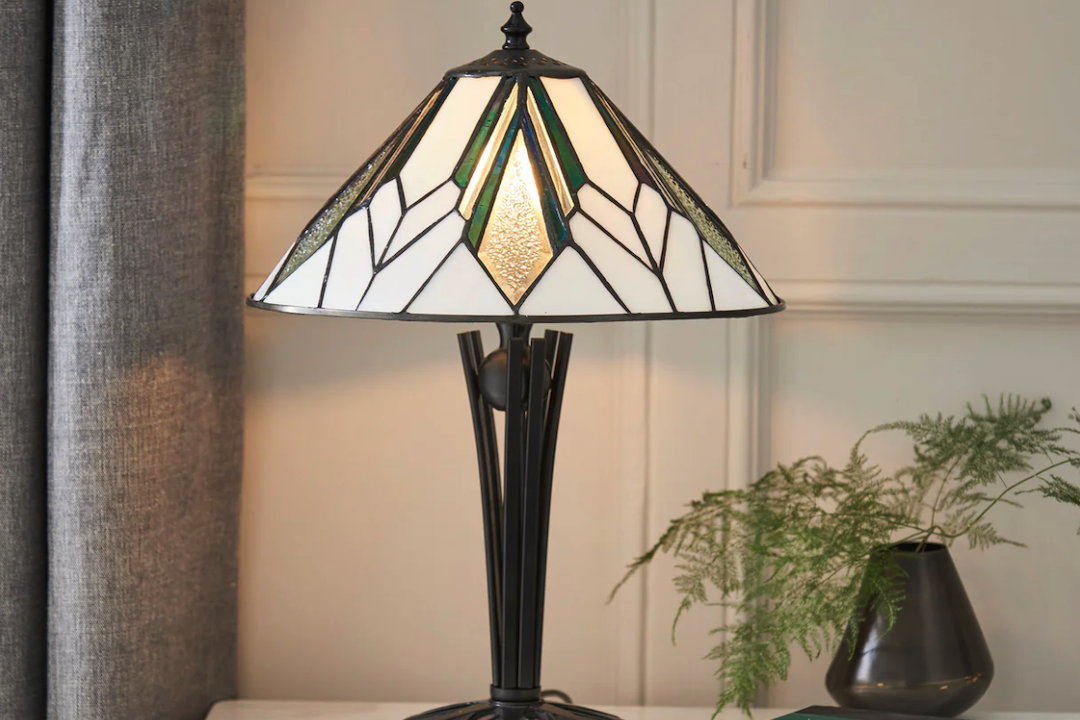
So, you’re eyeing a “Timeless Elegance: Art Deco Stained Glass Tiffany Style Table Lamp” and wondering if it’s actually a good fit for your space. The short answer is, very likely yes. These lamps aren’t just pretty objects; they bring a distinct atmosphere and a touch of history into a room, and often, they’re built to last.
What Exactly Makes These Lamps “Timeless Elegance”?
It’s not just a fancy name. The appeal of lamps Hozo described as “Timeless Elegance: Art Deco Stained Glass Tiffany Style” comes down to a few key factors that have kept them popular for decades.
The Art Deco Influence
Think of the roaring twenties and thirties. Art Deco was all about sleek lines, geometric patterns, and a sense of opulent modernity.
Geometric Charm
These lamps often feature sharp angles, repeating shapes like squares, circles, and zigzags, and stylized floral or fan motifs. This isn’t just random decoration; it’s a deliberate design language that adds visual interest without feeling cluttered.
Luxurious Materials
The Art Deco era embraced rich colors and materials. Stained glass, with its inherent depth and shimmering quality, fits perfectly. Combined with often darker, polished metal bases, it creates a sophisticated look.
The Tiffany “Style” Aspect
While these lamps are Tiffany style, it’s important to distinguish them from genuine Tiffany Studios pieces, which are rare and incredibly valuable. The “Tiffany style” refers to the techniques and aesthetics pioneered by Louis Comfort Tiffany.
Handcrafted Stained Glass
The defining feature is the use of small pieces of colored glass, cut and soldered together to form intricate designs. This hand-assembly imbues each lamp with individuality. No two lamps, even from the same mold, will be perfectly identical due to the variations in the glass itself.
Vivid Color Palettes
The colors are often rich and layered – deep blues, emerald greens, ruby reds, and amber yellows. They’re chosen not just for their beauty but for how they interact with light, creating a warm, inviting glow.
The “Timeless” Factor
Why does it endure? It’s the blend of classic design principles with functional beauty. The strong geometric elements and the quality of the materials mean they don’t easily fall out of fashion. They tend to complement a wide range of decor styles, from more traditional settings to contemporary spaces looking for a statement piece.
Practical Considerations: Where Do They Fit In?
Beyond the aesthetic, you’re probably wondering about the practical side. Where would a lamp like this work best, and what should you keep in mind for placement and function?
Enhancing Ambiance in Living Areas
Living rooms and studies are prime candidates for these lamps. They offer more than just light; they create an atmosphere.
Accent Lighting for Reading Nooks
A Tiffany-style lamp perched on a side table next to a comfortable armchair is practically an invitation to curl up with a good book. The diffused, colored light is less harsh than a bare bulb, providing a cozy reading environment.
Creating a Focal Point on Side Tables
When placed on a console or side table, these lamps can easily become a conversation starter. Their intricate designs and colorful glow draw the eye, adding a touch of understated luxury to the room.
Bedroom Serenity and Style
Bedrooms can also benefit from the warmth and elegance that these lamps offer.
Bedside Companions
A pair of matching Tiffany-style lamps on either side of the bed can provide soft, ambient light for winding down in the evening. They offer a more refined alternative to typical bedside lamps.
Adding a Touch of Glamour
In a bedroom, these lamps can elevate the overall decor, adding a touch of glamour and personality without being overwhelming. The stained glass can pick up on accent colors in your bedding or curtains.
Entryway Warmth
A well-placed table lamp in an entryway can make a significant difference.
Welcoming Glow
Imagine walking into a home and being greeted by the soft, colorful light of a Tiffany-style lamp on an entryway table. It sets a warm and inviting tone right from the start.
A Touch of Sophistication
It signals to guests that attention has been paid to the details, adding a layer of sophistication to the first impression of your home.
The Importance of Quality: What to Look For
Not all lamps labeled “Tiffany style” are created equal. Understanding what to look for can help you find a piece that truly embodies that timeless elegance and lasts for years.
Stained Glass Quality
This is paramount. The beauty of these lamps lies in the glass itself.
Genuine Hand-Cut Glass
Look for descriptions that emphasize “hand-cut” or “hand-soldered” glass pieces, often referred to as “copper foil” construction. This is the traditional method.
Glass Opacity and Texture
The glass should have some depth and variation in color. Avoid lamps where the glass looks like cheap plastic or has a uniformly flat, printed appearance. Real stained glass will have subtle variations, slight imperfections, and a unique texture.
The Soldering Lines
The metal solder lines between the glass pieces should be neat and consistent. They are a key part of the design and contribute to the overall finished look.
The Fixture and Base
The lamp base and hardware play a crucial role in the lamp’s stability and overall aesthetic.
Material and Finish
The base is usually made of metal. Common materials include brass, bronze, or alloys with a polished or antiqued finish. Ensure the finish is smooth and even, without any flaking or rough spots.
Weight and Stability
A good quality lamp will have a substantial weight, making it stable and less likely to tip over. This is especially important for table lamps.
Bulb Type and Wattage
Check the type of bulb required and the maximum wattage. Many Tiffany-style lamps are designed to work well with LED bulbs, which are more energy-efficient and produce less heat, prolonging the life of the lamp and its components.
Understanding the Construction: Copper Foil vs. Came
The method used to assemble the stained glass pieces is a significant factor in both the appearance and the durability of the lamp.
The Copper Foil Technique
This is the hallmark of authentic Tiffany-style lamps and is generally considered superior for intricate designs.
How It Works
Each piece of glass is carefully ground to its exact shape. Then, a thin strip of copper foil is wrapped around the edge of each piece. These foiled pieces are then arranged, and the copper edges are soldered together, creating strong, flowing seams.
Advantages
This technique allows for much finer detail and more delicate designs because the solder lines are thinner than those used with the came method. It also results in a lighter, more flexible construction, which is ideal for curving shades.
The Came Technique
This method is older and often found in traditional leaded glass windows, but it can also be used for lamp shades.
How It Works
Instead of foil, strips of channelled metal (usually lead, but sometimes zinc or brass) called “cames” are used. The edges of the glass pieces are inserted into the channels of the cames, and the cames are then soldered together at the joints.
Characteristics
Came construction typically results in thicker, more pronounced lead lines. It’s often used for bolder geometric patterns or when a more rustic or historical look is desired. While durable, it’s less ideal for the detailed, flowing designs often seen in Tiffany-style lamps.
Maintaining Your “Timeless Elegance” Lamp
To ensure your lamp continues to grace your space for years to come, a little care goes a long way.
Cleaning the Stained Glass
The colored glass is the star, so keeping it clean is important.
Gentle Dusting
For regular maintenance, a soft, dry microfiber cloth is your best friend. Gently dust the glass pieces and the metal framework.
Deeper Cleaning
If there’s accumulated dust or grime, slightly dampen the cloth with water. For tougher spots, a very mild, non-ammonia based glass cleaner can be used sparingly. Apply the cleaner to the cloth, not directly to the glass, and wipe gently. Avoid abrasive cleaners or cloths that could scratch the glass or the solder lines.
Cleaning the Base
The metal base can usually be cleaned with a dry or slightly damp cloth. For bronzed or antiqued finishes, consult the manufacturer’s recommendations, as specific polishes might be needed to maintain the patina.
Ensuring Electrical Safety
Like any electrical appliance, safety is key.
Regular Inspection of the Cord and Plug
Periodically check the power cord and plug for any signs of wear, fraying, or damage. If you notice any issues, it’s best to have it repaired or replaced by a qualified electrician.
Bulb Replacement
When replacing bulbs, ensure you are using the correct type and wattage as recommended for your specific lamp. Using bulbs that are too high in wattage can generate excessive heat, which can stress the solder and even crack the glass over time. Always unplug the lamp before changing a bulb.
Protecting the Solder Lines
The thin solder lines are delicate.
Avoiding Excessive Pressure
Be mindful when cleaning or moving the lamp. Avoid applying too much pressure to the shade itself, as this can weaken or damage the soldered connections.
Shielding from Extreme Temperatures
While less common with table lamps, prolonged exposure to extreme heat or cold can affect the integrity of the solder. Try to place the lamp in a relatively stable environment.
By paying attention to these details, your “Timeless Elegance: Art Deco Stained Glass Tiffany Style Table Lamp” will remain a beautiful and functional part of your home, offering its unique charm and light for a very long time.