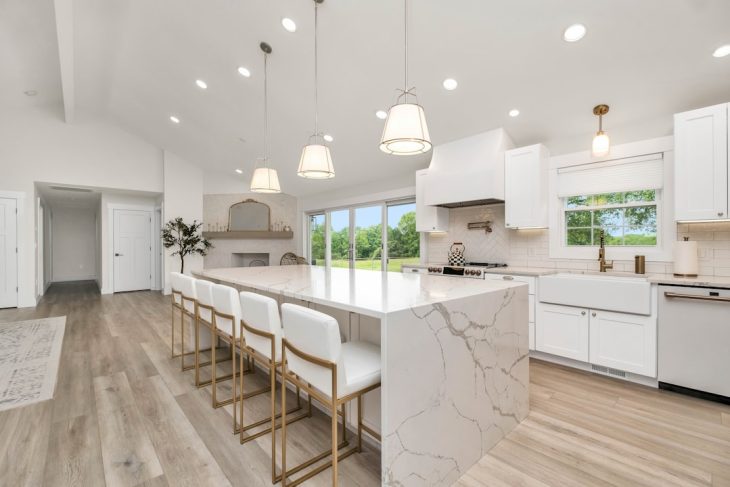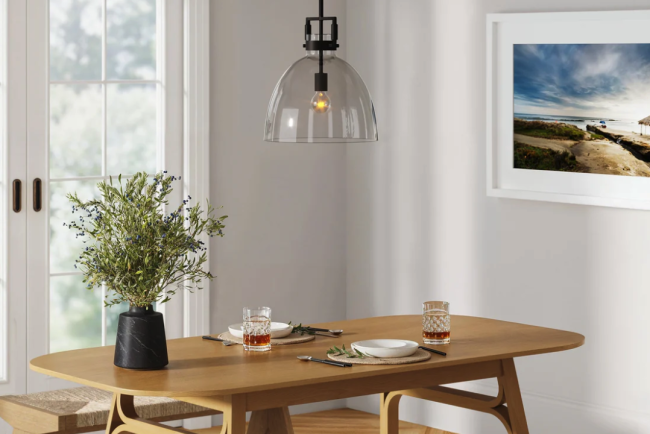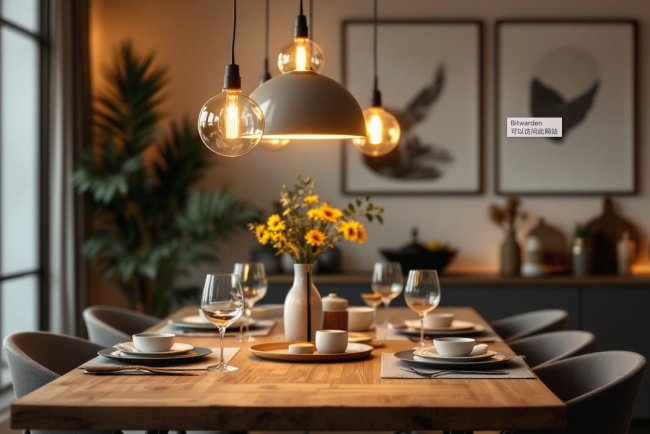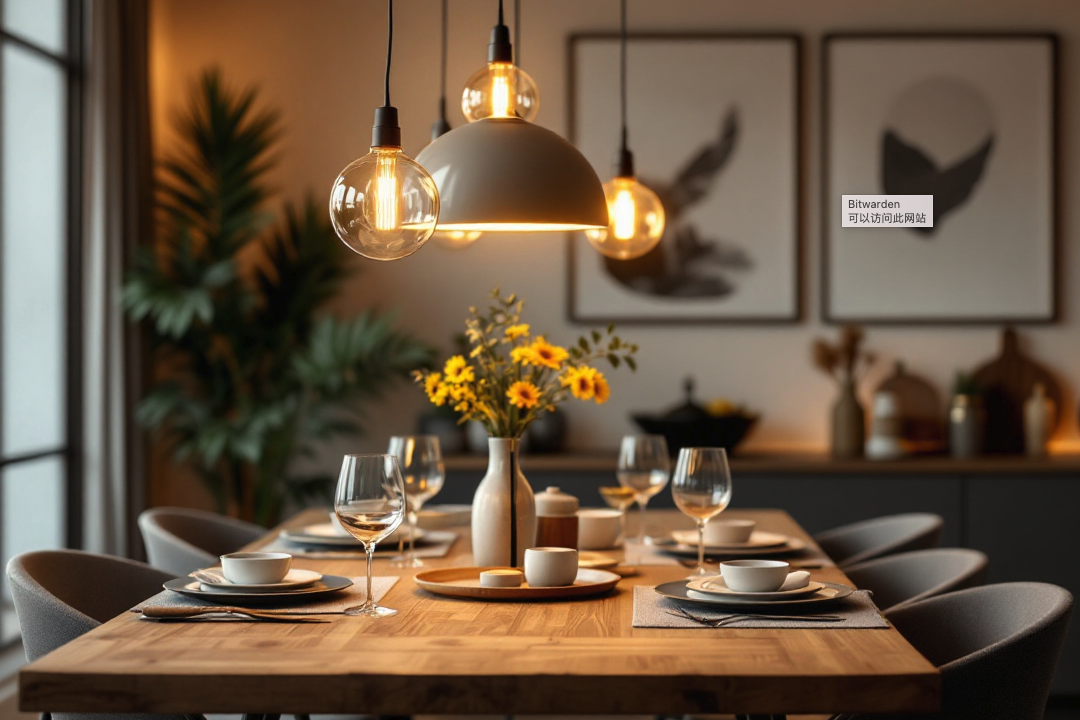
Let’s talk about upgrading your dining room, specifically with pendant lighting that doesn’t flicker. The short answer is, yes, flicker-free pendant lighting can absolutely transform your dining experience, making it more comfortable and enjoyable. It’s not just about aesthetics; it’s about creating a truly inviting and usable space.
The Annoyance of Flicker: Why It Matters
We’ve all been there – that subtle, almost imperceptible pulsation in the light that, after a while, just starts to wear on you. It’s not always obvious, but our brains are surprisingly sensitive to these rapid changes in light Hozolighting intensity.
What Exactly is Flicker?
At its core, flicker is the rapid fluctuation in the brightness of a light source. For older incandescent bulbs, it was often tied to the alternating current (AC) power supply. As the current cycles, the filament would briefly dim. With modern LED lights, the causes are a bit different, but the effect on our eyes and minds can be just as disruptive, if not more so.
The Hidden Toll of Flickering Lights
You might not consciously think, “Wow, this light is flickering and it’s making me uncomfortable.” But the effects are real. Headaches, eye strain, fatigue, and even a general sense of unease or irritability can all be linked to prolonged exposure to flickering light. Imagine trying to enjoy a meal, have a conversation, or even help the kids with homework under such conditions – it just drains your energy.
Why Your Dining Room Deserves Better
The dining room isn’t just where you eat; it’s a hub for connection, conversation, and often, other activities too. It’s where you host friends, celebrate milestones, and gather as a family. The lighting in this space plays a huge role in setting the mood and ensuring everyone feels comfortable.
Setting the Scene for Meals and More
Think about it: you’re gathered around the table, sharing a meal. Good lighting highlights the food, makes people look good, and encourages relaxation. Flickering light, on the other hand, can be distracting, make colors appear off, and even affect your appetite subconsciously.
Beyond Dinner: A Multipurpose Space
Many dining rooms pull double duty. It might be a workspace during the day, a craft table for the kids, or a spot for board games in the evening. Consistent, flicker-free lighting ensures that whatever activity is happening, your eyes aren’t fighting the light source. It’s about maximizing the usability and comfort of this important room.
Understanding Flicker-Free Technology
So, what makes a light “flicker-free”? It’s all about how the power is delivered to the LED components.
The Science Behind the Smooth Light
Traditional LED drivers can sometimes convert AC power to DC power in a way that introduces ripples in the current. These ripples cause the LED to dim and brighten very quickly, creating the flicker. Flicker-free LED drivers, however, use more sophisticated circuitry to smooth out these ripples, ensuring a consistent, steady flow of power to the LED.
Key Terms to Look For
When you’re shopping, you might encounter terms like “high-frequency driver,” “constant current driver,” or “low ripple current.” These are all indicators that the manufacturer has prioritized flicker reduction. Don’t be afraid to ask for specifications; reputable brands will often provide information on their flicker performance.
PWM and Why It Can Be a Problem
Sometimes, to dim an LED, manufacturers use Pulse Width Modulation (PWM). This rapidly switches the LED on and off to control brightness. While effective for dimming, if the switching frequency is too low, it can introduce visible or imperceptible flicker. Higher quality flicker-free drivers often employ alternative dimming methods or use very high PWM frequencies (above 2000 Hz) that are virtually undetectable by the human eye.
Choosing the Right Flicker-Free Pendants
Navigating the world of lighting can be a bit overwhelming with all the options out there. Here’s what to keep in mind when selecting flicker-free pendants for your dining room.
Sizing and Placement Considerations
- Table Size: A good rule of thumb is that your pendant light fixture (or fixtures) should be about 1/2 to 2/3 the width of your dining table. This prevents the light from looking too small or overwhelming the table.
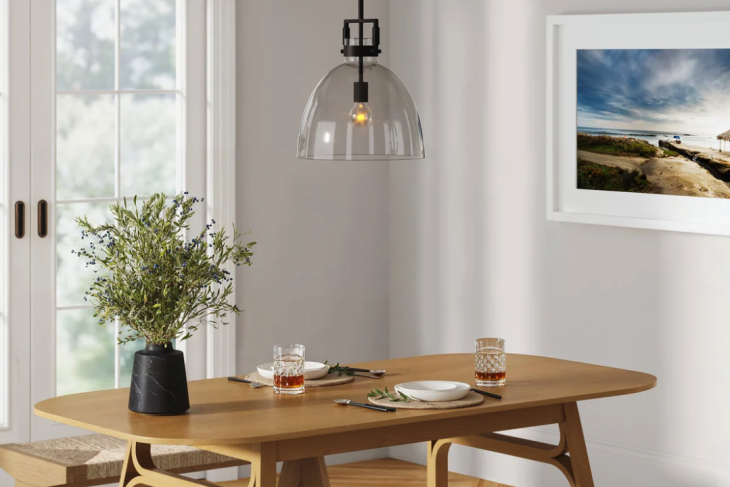
- Height: The bottom of the pendant fixture should typically hang about 30-36 inches above the tabletop. This allows for good light distribution without obstructing views or bumping heads. Adjust slightly based on ceiling height and fixture design.
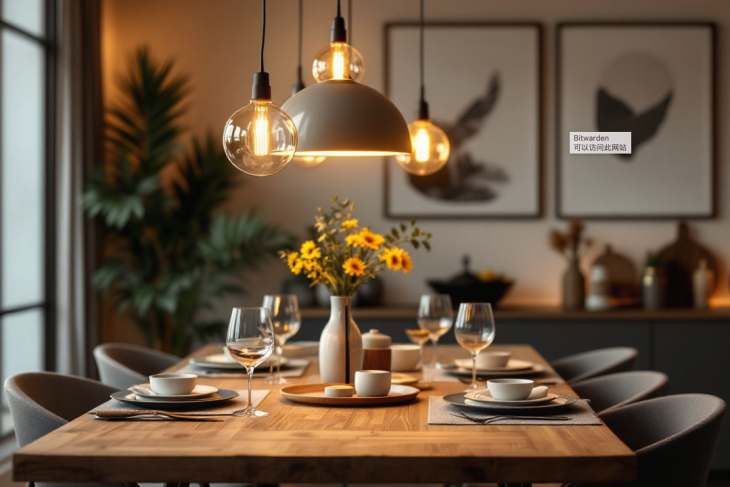
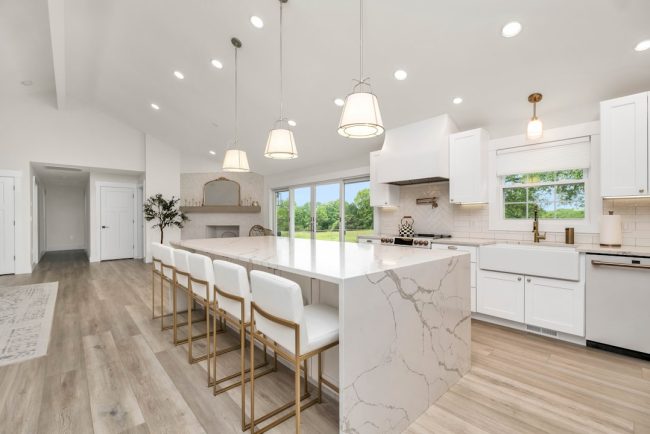
- Multiple Pendants: For longer tables, consider using two or three smaller pendants instead of one large one. This provides more even illumination and can create a more balanced look.
Style and Aesthetics
This is where your personal taste comes in. Flicker-free technology is available across a vast range of styles.
- Modern/Minimalist: Clean lines, simple shapes, and often metallic or matte finishes. Think sleek cylinders, geometric forms, or frosted glass.
- Farmhouse/Rustic: Often incorporates natural materials like wood, woven elements, or distressed metals. Exposed bulbs can also be a feature.
- Industrial: Features raw materials like metal, exposed wiring, and often a rugged, functional aesthetic. Caged designs are common.
- Traditional/Transitional: More ornate details, classic shapes, and often materials like bronze, brass, or crystal. These can blend classic and contemporary elements.
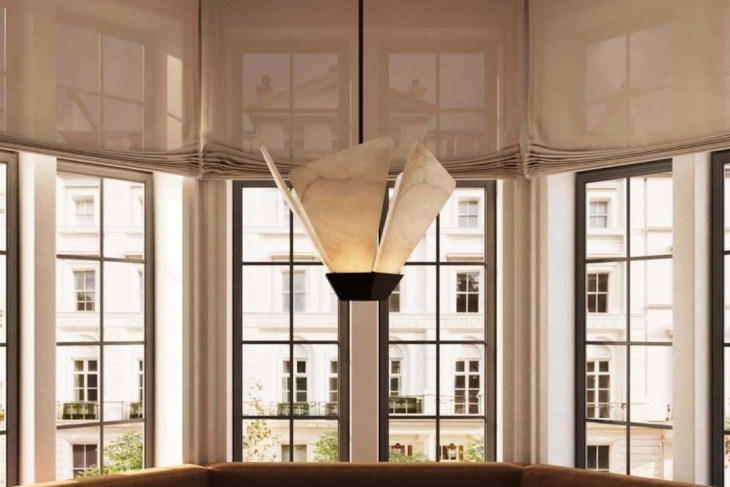
- Statement Pieces: Sometimes a pendant isn’t just for light; it’s a piece of art. Don’t be afraid to choose something bold if it complements your decor.
Dimming Capabilities
A crucial aspect of dining room lighting is the ability to dim. You want bright, functional light for tasks, but soft, ambient light for intimate dinners. Ensure that any flicker-free pendant you choose is compatible with a dimmer switch and that it performs well across its dimming range without introducing flicker at lower levels. Look for “smooth dimming” or “flicker-free dimming” in the product specifications.
Color Temperature (CCT)
Color temperature, measured in Kelvins (K), describes the warmth or coolness of the light.
- Warm White (2700K-3000K): Creates a cozy, inviting atmosphere, similar to incandescent bulbs. Ideal for relaxed dining.
- Neutral White (3500K-4000K): Brighter and more energetic, good for tasks, but can sometimes feel less intimate.
- Cool White (5000K+): Very bright and crisp, often used in task lighting or commercial settings. Generally too harsh for a dining room.
For dining rooms, most people prefer warm white to create a comfortable, appealing ambiance. Some modern LED pendants even offer tunable white technology, allowing you to adjust the color temperature to suit the occasion.
CRI (Color Rendering Index)
CRI measures how accurately a light source reveals the true colors of objects compared to natural light. A higher CRI (90+) means colors will look more vibrant and natural. This is especially important in the dining room, as you want your food to look appetizing and your decor to appear as intended. Don’t settle for anything less than 80 CRI, and aim for 90+ if possible.
Installation and Maintenance Tips
Even the best flicker-free pendants need proper installation and a little care to ensure they perform optimally for years to come.
Professional Installation vs. DIY
- DIY if… You’re comfortable with basic electrical work, have the right tools, and the fixture is relatively straightforward (replacing an existing fixture, for example). Always turn off power at the circuit breaker first.
- Professional if… You’re installing new wiring, relocating a fixture, dealing with a very heavy or complex pendant, or if you’re just not confident in your electrical skills. An electrician ensures safety and code compliance.
What to Look Out For During Installation
- Secure Mounting: Pendants, especially larger ones, need to be securely anchored to a junction box that can support their weight. Don’t rely solely on drywall anchors.
- Proper Wiring: Ensure all connections are tight and correctly wired according to instructions (live to live, neutral to neutral, ground to ground).
- Leveling: Take the time to make sure the pendant hangs perfectly level. Small adjustments can make a big visual difference.
- Testing: Before fully securing everything, briefly turn on the power to test the light and any dimming functionality.
Keeping Your Pendants Looking Their Best
- Regular Dusting: A simple, soft cloth or a duster can prevent dust buildup that can dull the light and detract from the fixture’s appearance.
- Gentle Cleaning: For glass or metal components, use a mild glass cleaner or a damp cloth with a little dish soap. Avoid harsh chemicals that can damage finishes. Always apply cleaner to the cloth, not directly to the fixture.
- Bulb Replacement (if applicable): If your fixture uses replaceable bulbs, make sure to use the correct wattage and type specified by the manufacturer. If it’s an integrated LED, you generally won’t need to worry about bulb replacement, as the LEDs are designed to last for tens of thousands of hours.
- Check Connections (periodically): If you notice any issues with the light (e.g., occasional flicker, dimming inconsistencies), and if you’re comfortable and safety-conscious, you can check the wiring connections at the fixture and switch. However, if you’re unsure, call an electrician.
Beyond Pendants: Complementary Lighting
While flicker-free pendants are a fantastic starting point for your dining room, a truly well-lit space often benefits from a layered lighting approach.
Adding Ambient Light for Overall Brightness
Ambient lighting provides the general illumination for the room. This could come from:
- Recessed Lighting: Often around the perimeter of the room, providing uniform light.
- Ceiling Flush Mounts or Semi-Flush Mounts: Good for rooms with lower ceilings or where a pendant might be too much.
- Wall Sconces: Can add a soft glow and architectural interest, particularly if your dining room has wall space to spare.
The goal here is to ensure the room feels adequately bright even when the pendant is dimmed or off.
Task Lighting for Specific Activities
While the pendant over the table is a form of task lighting for dining, consider other activities.
- Buffet Lamps: If you have a buffet or console table, small lamps can add both light and decorative flair, especially when serving food.
- Picture Lights: If you have artwork on the walls, small, focused lights can highlight them beautifully.
Accent Lighting for Drama and Depth
Accent lighting is used to highlight specific features or create visual interest.
- Candles: The original “flicker-free” lighting! They add warmth, romance, and a beautiful glow.
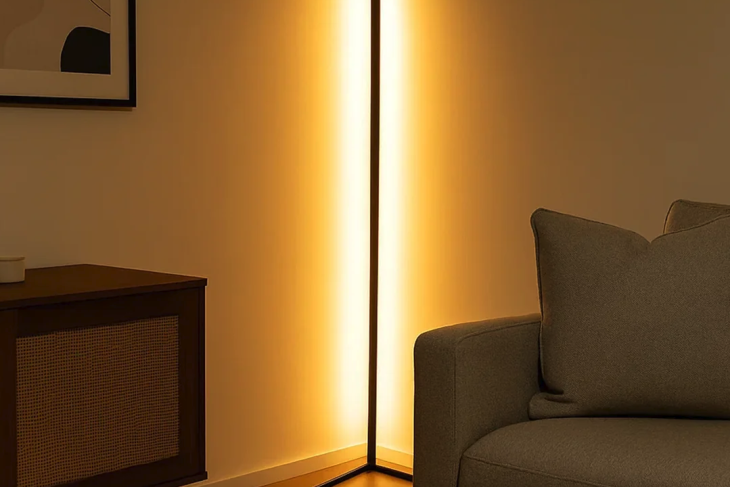
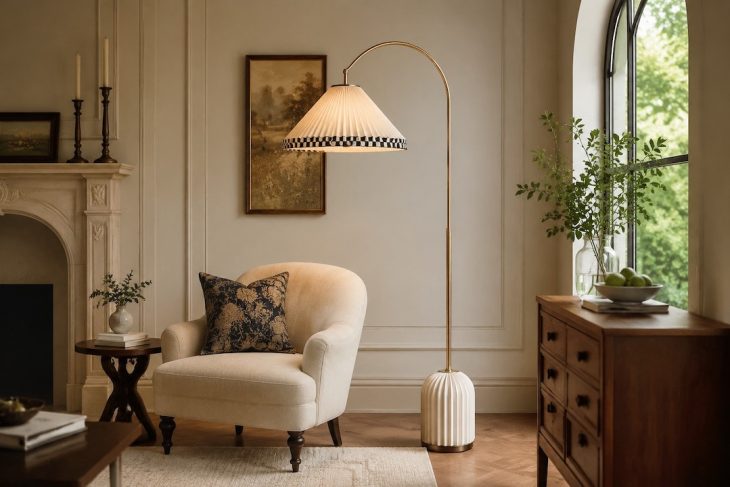
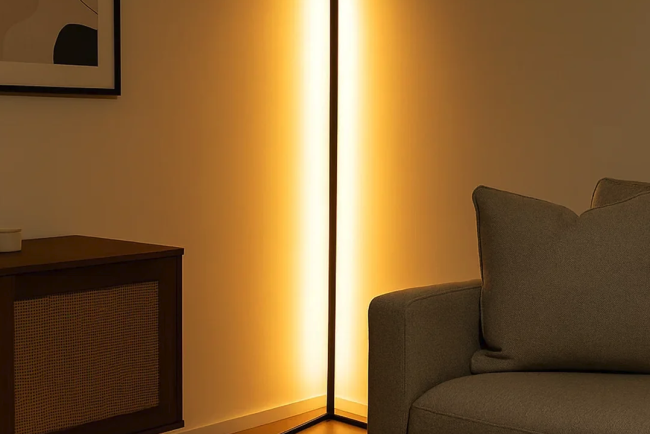
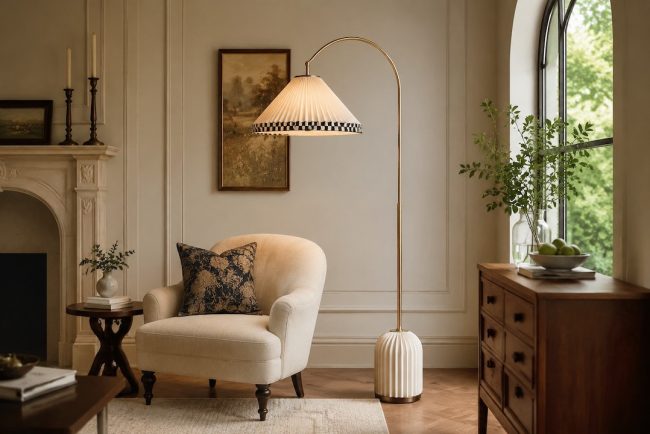
- Uplights (e.g., from floor lamps): Can wash a wall or ceiling with light, making the room feel larger and more inviting.
- Cabinet Lighting: If you have a china cabinet or built-in shelving, subtle internal lighting can showcase your treasures.
By combining flicker-free pendant lighting with these other layers, you create a dynamic and versatile lighting scheme that can adapt to any occasion, making your dining room not just functional, but truly inviting and comfortable. It’s about designing an experience, not just illuminating a space.