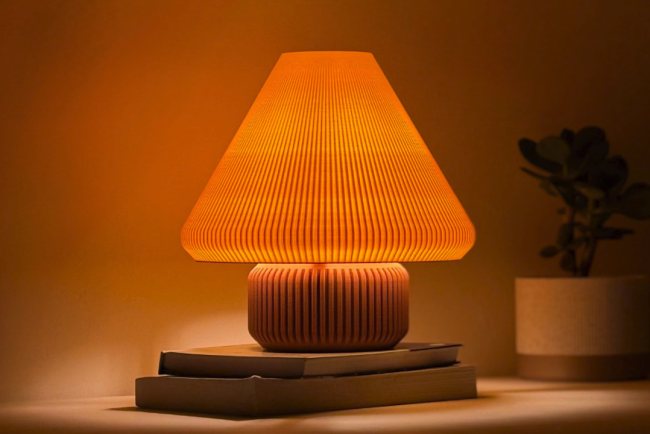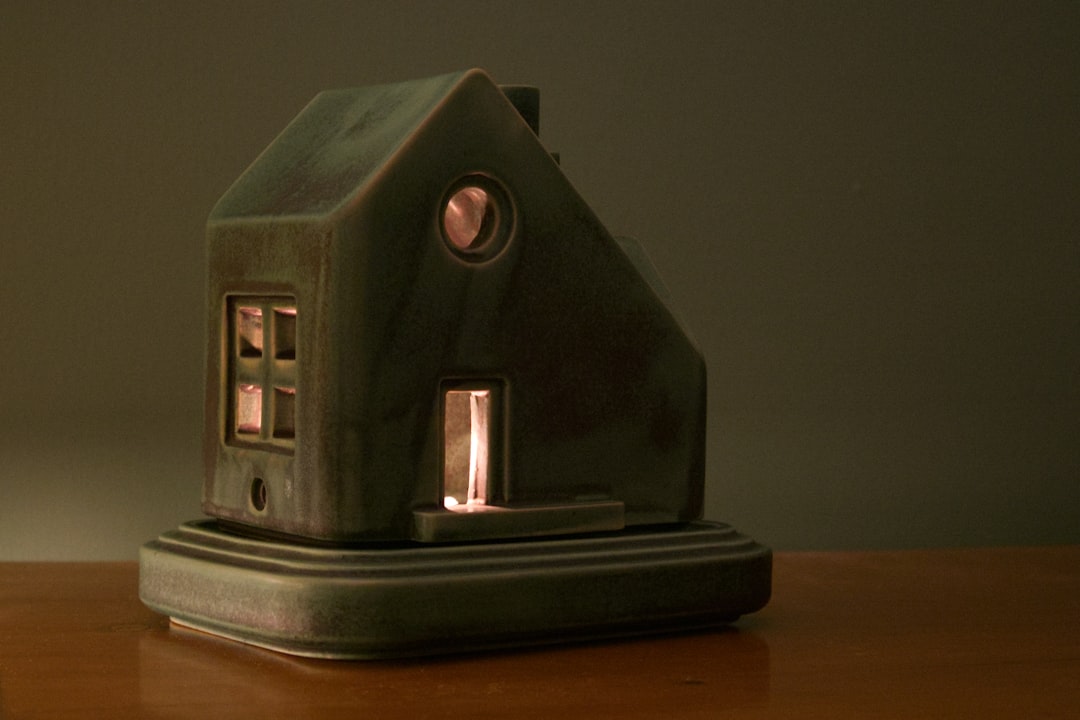
Looking for a quick answer to what a Danish Pastel Ceramic Nightlight is? It’s essentially a charming, small ceramic lamp designed to emit a soft, diffused light, often featuring pastel color palettes and organic, minimalist shapes inspired by Danish design principles. Think of it as a subtle, stylish light source that adds a touch of calm and trendiness to your bedroom decor, far beyond just being a functional night light.
You’ve probably seen it pop up on your social feeds – the Danish Pastel aesthetic. It’s more than just a fleeting trend; it’s a movement towards calm, comfort, and a touch of nostalgic whimsy. This style champions soft, muted colors like sage green, baby pink, sky blue, and creamy yellow, combined with organic textures and simple, elegant forms.
The Allure of Soft Hues
There’s something inherently calming about pastel colors. They don’t demand attention; they invite it gently. In a world saturated with bold statements and constant stimulation, these Muzzhome muted tones offer a visual respite. They create an atmosphere of serenity, making them perfect for a space like the bedroom where relaxation is key.
Embracing Organic Shapes and Textures
Beyond color, the Danish Pastel aesthetic embraces natural imperfections and gentle curves. Think wavy mirrors, boucle fabrics, and, of course, ceramic pieces with their unique, often slightly uneven, textures. This isn’t about perfection; it’s about warmth and approachability.
A Touch of Retro, a Dash of Modern
Danish design has always had this beautiful knack for timelessness. It often blends mid-century modern sensibilities with a fresh, contemporary feel. The “Danish Pastel” part just layers on that soft, inviting color palette, making it feel both classic and utterly current. It’s like your favorite cozy sweater but for your decor.
Deconstructing the Danish Pastel Ceramic Nightlight
So, what makes a nightlight specifically “Danish Pastel Ceramic”? It’s a combination of material, design philosophy, and intended effect. It’s not just any nightlight; it’s a statement piece that whispers “curated.”
Ceramic: The Material of Choice
Ceramic is a fantastic material for lighting. It diffuses light beautifully, creating a soft, warm glow that isn’t harsh on the eyes. Unlike plastic, ceramic has a weight and a tactile quality that feels substantial and premium. It also allows for diverse organic shapes that are central to the aesthetic.
- Soft Diffusion: The porous nature of ceramic, especially unglazed or matte finishes, helps to soften the light.
- Tactile Appeal: There’s something grounding about holding and interacting with a ceramic object.
- Durability and Longevity: While breakable, ceramic is generally a robust material that can last for years with proper care.
Design Elements: Simplicity and Form
Danish design, at its core, values simplicity and functionality without sacrificing beauty. For these nightlights, that translates to clean lines, often with a playful curve or an asymmetrical element. There’s a deliberate avoidance of overly ornate details.
- Minimalist Forms: You won’t find fussy decorations here. The beauty comes from the shape itself – often a mushroom, a wavy column, a cloud, or even an abstract blob.
- Subtle Playfulness: While minimalist, there’s often a touch of whimsy or a gentle, undulating form that prevents it from feeling sterile.
- Seamless Integration: These nightlights are designed to blend harmoniously with other decor, rather than dominating the space.
The Pastel Palette: More Than Just Color
It’s not just about picking any soft color. The pastels in this aesthetic are often slightly desaturated, with a hint of gray or white mixed in, giving them a sophisticated, almost chalky finish. This prevents them from feeling childish and instead imbues a sense of calm elegance.
- Sage Green: A muted, earthy green that brings nature indoors.
- Baby Pink/Blush: A soft, warm pink that adds a touch of sweetness without being saccharine.
- Sky Blue: A calming, airy blue reminiscent of a clear day.
- Creamy Yellow/Butter: A subtle, warm yellow that injects a gentle cheerfulness.
- Lavender/Lilac: A soft, dreamy purple that adds a touch of romance.
The “Nightlight” Function: Illumination with Intent
While it’s called a nightlight, its purpose goes beyond simply guiding you in the dark. It’s about creating an ambience. The light emitted is usually very soft, often using LED bulbs that are energy-efficient and produce minimal heat.
- Soft, Diffused Glow: Never harsh; always inviting.
- Warm Tones: Often in the 2700K-3000K range, mimicking incandescent bulbs for a cozy feel.
- Ambient Lighting: It’s more about setting a mood than providing task lighting.
Elevating Your Bedroom Aesthetics with a Nightlight
Thinking a nightlight can’t be a statement piece? Think again. A Danish Pastel Ceramic Nightlight isn’t just for kids or practical necessity; it’s a conscious design choice that contributes significantly to the overall feel of your adult sanctuary.
Beyond Function: A Decorative Object
Even when turned off, these nightlights are aesthetically pleasing objects. Their unique shapes and soothing colors make them miniature sculptures. They contribute to the visual interest of your nightstand, dresser, or shelf.
- Sculptural Quality: Many designs are beautiful enough to be displayed purely as decorative pieces.
- Color Pop (Subtle): They can introduce a gentle splash of color to an otherwise neutral room.
- Texture Contrast: A ceramic nightlight can add an interesting textural element against wooden furniture or soft textiles.
Creating a Serene Atmosphere
The primary goal of the Danish Pastel aesthetic is to foster a sense of peace and calm. A ceramic nightlight is a key player in achieving this, especially in the bedroom.
- Wind-Down Rituals: The soft light is perfect for evening routines – reading, journaling, or simply relaxing before bed.
- Reducing Blue Light Exposure: Unlike bright overhead lights or screens, a soft, warm nightlight won’t disrupt your sleep cycle.
- A Sense of Security: For some, a gentle glow eliminates the oppressive feeling of complete darkness.
Versatility in Placement
While we’re talking bedrooms, these nightlights aren’t strictly confined to the bedside. Their adaptable design means they can enhance various areas of your room and even beyond.
- Nightstand Centerpiece: The most obvious spot, offering both light and style.
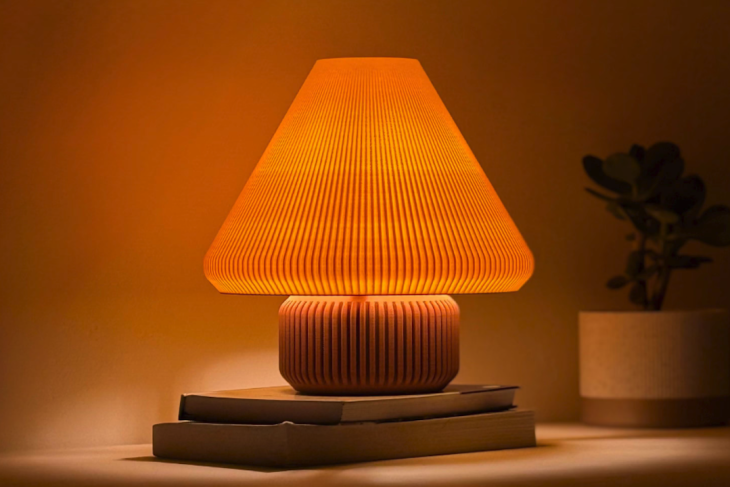
- Dresser or Shelf Accent: Place it among books or plants to add a touch of warmth and visual interest.
- Reading Nook Companion: If you have a cozy chair in your bedroom, it’s a perfect companion for a quiet evening.
- Living Room Ambiance: Don’t limit yourself! A Danish Pastel light can also soften a corner of a living room or entryway.
Choosing Your Perfect Danish Pastel Ceramic Nightlight
With the surge in popularity, you’ll find a decent variety available. Knowing what to look for will help you pick one that truly suits your style and needs.
Considering Size and Scale
Don’t just eye the pretty picture on your screen. Think about where you’re going to put it and how big (or small) you want it to be in that space. A tiny nightlight on a huge dresser might get lost, while a large one on a cramped nightstand could feel overwhelming.
- Measure Your Space: Before buying, measure your nightstand or shelf.
- Proportion is Key: Aim for a nightlight that feels balanced with its surroundings.
- Compact vs. Statement: Decide if you want a subtle accent or a more prominent piece.
Material Finishes: Glazed vs. Unglazed
This is a subtle but important distinction that affects both the look and feel of the nightlight. Both have their charm.
- Glazed Ceramic: Often has a slight sheen, can appear more polished, and is easier to clean. The colors can seem a bit more vibrant.
- Unglazed/Matte Ceramic: Offers a more earthy, natural look. The texture is often more tactile, and the colors appear softer and more muted, aligning perfectly with the raw, organic feel of Danish Pastel.
Bulb Type and Brightness
The type of bulb and its brightness are crucial for achieving that desired soft glow. You don’t want something that feels like a spotlight.
- LED Bulbs: Almost universally used now due to their energy efficiency and cool operation.
- Warm White (2700K-3000K): This color temperature is ideal for creating a cozy atmosphere. Avoid “daylight white” (5000K+) unless you’re intentionally going for a brighter, more clinical feel (which isn’t Danish Pastel).
- Dimmable Options: Some high-end nightlights offer dimming capabilities, which is a fantastic feature for ultimate mood control.
- Low Wattage: Look for very low wattage bulbs (e.g., 0.5W to 5W maximum for a nightlight) to ensure a gentle illumination.
Power Source: Plug-in or Battery-Operated
This is a practical consideration for placement and convenience.
- Plug-in: Most common. Ensures consistent power and often allows for a brighter, or more steady light. Consider cord length and outlet availability.
- Battery-Operated: Offers ultimate portability and no unsightly cords. However, you’ll need to factor in battery replacement. These are often best for very subtle, short-term use, or occasional decorative accents, as they may not be as bright or last as long as plug-in versions.
Ethical and Sustainable Considerations
If you’re mindful of your impact, consider these factors when making your purchase.
- Handmade vs. Mass-Produced: Handmade items often have unique imperfections and support individual artisans. Mass-produced items might be more affordable but can lack character.
- Local Artisans: Supporting local ceramicists can contribute to your community and ensures a unique piece.
- Packaging: Look for minimal, recyclable packaging if sustainability is important to you.
Maintaining Your Ceramic Nightlight
Ceramic is fairly low-maintenance, but a few simple tips will keep your nightlight looking its best for years to come. It’s an investment in your home’s aesthetic, so treat it kindly.
Gentle Cleaning for Longevity
Dust is the enemy of all decor. A regular, gentle wipe-down is usually all that’s needed.
- Dust Regularly: Use a soft, dry cloth or a feather duster to remove surface dust.
- Spot Cleaning: For minor smudges, use a slightly damp cloth (water only, no harsh chemicals) and wipe gently. Ensure it’s completely dry afterward.
- Avoid Abrasives: Don’t use abrasive cleaners, scourers, or harsh chemical sprays, as these can damage the ceramic finish, especially unglazed pieces.
Handling with Care
Ceramic, by its nature, can be brittle. A simple bump or drop can lead to cracks or breaks.
- Stable Placement: Ensure your nightlight is on a stable, flat surface where it won’t be easily knocked over.
- Care During Movement: When relocating, hold it firmly with both hands, especially if it has delicate protrusions or thin sections.
- Children and Pets: If you have curious children or pets, consider placing the nightlight out of their reach to prevent accidental damage.
Bulb Replacement (When Applicable)
While LED bulbs last a very long time, nothing lasts forever. When it’s time for a replacement, make sure you get the right kind.
- Check Specifications: Always refer to the product’s instructions for the correct bulb type, wattage, and base size. Using the wrong bulb can be a fire hazard or simply not fit.
- Unplug First: Always unplug the nightlight before attempting to replace the bulb.
- Twist or Snap: Most small bulbs either twist in or snap into place. Don’t force anything.
In essence, a Danish Pastel Ceramic Nightlight isn’t just another functional item; it’s a carefully chosen piece of decor that embodies a specific aesthetic. It’s about bringing calm, subtle beauty, and a touch of curated trendiness into your home, transforming your bedroom into a tranquil, stylish haven.